THE ADVENTURE COLLECTIVE® · Independent discovery and booking for outdoor travel

Spend a day exploring Hokkaido’s vivid flower fields and the surreal Biei Blue Pond. This guided day trip from Sapporo bundles photogenic landscapes, local history, and convenient transport into a single easy day.
Spend a day exploring Hokkaido’s vivid flower fields and the surreal Biei Blue Pond. This guided day trip from Sapporo bundles photogenic landscapes, local history, and convenient transport into a single easy day.
A cool morning on the bus from Sapporo turns the city’s edges into a ribbon of rice paddies and low hills. By the time you crest the Roller Coaster Road, the land opens into a patchwork of planted stripes—lavender, tulips, sunflowers—each row arranged with the precision of a horticultural plan. The Blue Pond waits like a painted coin in a clearing, its water daring you to explain the color.
Verified experiences and guided adventures in the surrounding area.
Operated by Trevopedia Wonders · Biei, Hokkaido
A cool morning on the bus from Sapporo turns the city’s edges into a ribbon of rice paddies and low hills. By the time you crest the Roller Coaster Road, the land opens into a patchwork of planted stripes—lavender, tulips, sunflowers—each row arranged with the precision of a horticultural plan. The Blue Pond waits like a painted coin in a clearing, its water daring you to explain the color.
The region’s landscapes are shaped by volcanic soils and glacial reshaping from the last ice age; Biei and Furano sit on layered volcanic ash and fertile alluvium that favor field agriculture and the riotous flower displays that define summer. The flower farms are a modern agricultural culture built for both production and spectacle—Farm Tomita’s lavender fields are an example of postwar agricultural diversification that now fuels local tourism.
Expect easy walking paths at the Blue Pond and Shikisai no Oka with wide viewing platforms and short loops designed for photographers and families. Seasonality drives the show: late June–July for peak lavender, spring and fall for bulbs and cosmos. The tour’s full-day schedule includes coach transport, lunch options, and timed stops—arrive at the Sapporo meeting point on time; the bus leaves promptly.
Practical prep: bring layered clothing for variable mountain sun and breeze, a rain shell for sudden showers, and a neutral-tone lens hood to manage reflections on the pond. Hydration, modest footwear for gravel paths, and patience for crowds make the day smoother. For photographers, golden-hour planning means starting the day alert—the countryside changes fast and rewards the curious.
easy.
8–9 hours.
General mobility and moderate stamina for short walks and standing during photo stops
The tour meets at Sapporo Station North Exit Group Bus Terminal with a specified meeting time; the tour returns to the same location.
Viewing paths around the Blue Pond and some areas are accessible, but terrain can include gravel; check specific accessibility needs with the operator before booking.
Lavender typically peaks in late June to mid-July; other flowers vary by site and season, with tulips in spring and cosmos in autumn.
Lunch is available if you select the lunch option; local snacks and soft serve at farms are purchase-on-site.
Modern flower farming in Furano and Biei developed after WWII as farmers diversified crops; today farms blend agriculture with tourism.
Respect posted signs and stay on paths to protect fragile field edges; local farms rotate plots and manage water use to balance tourism with cultivation.
Trevopedia Wonders operates guided outdoor trips and adventures with an emphasis on safety, stewardship, and memorable experiences.
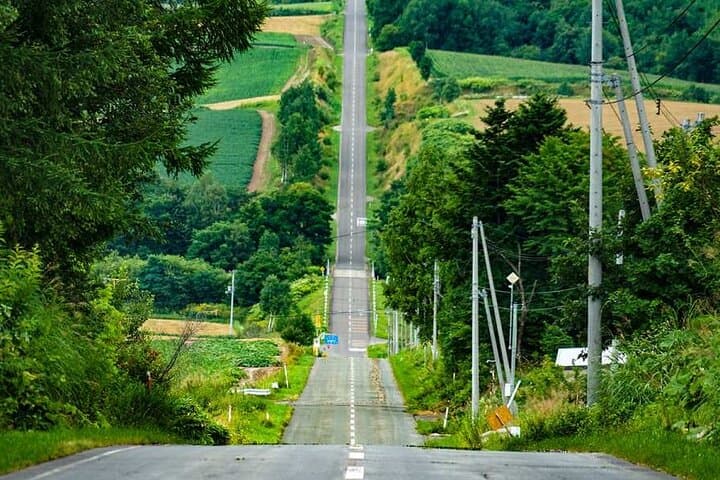
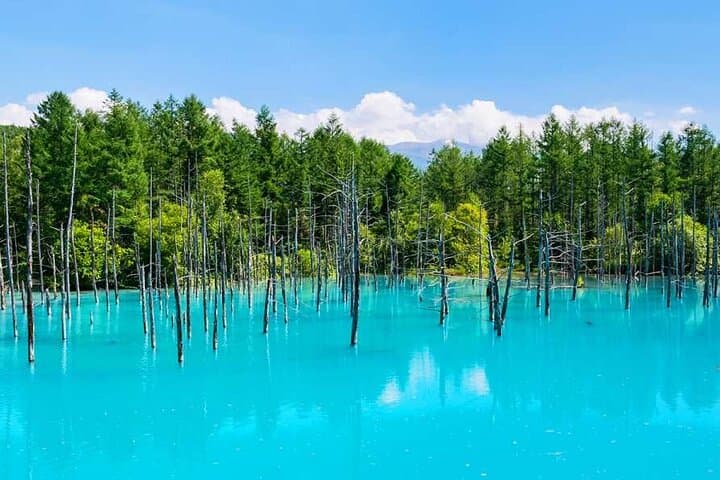
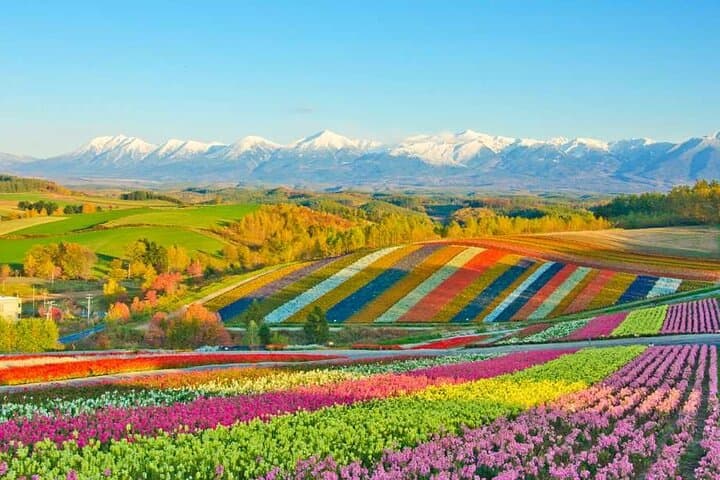
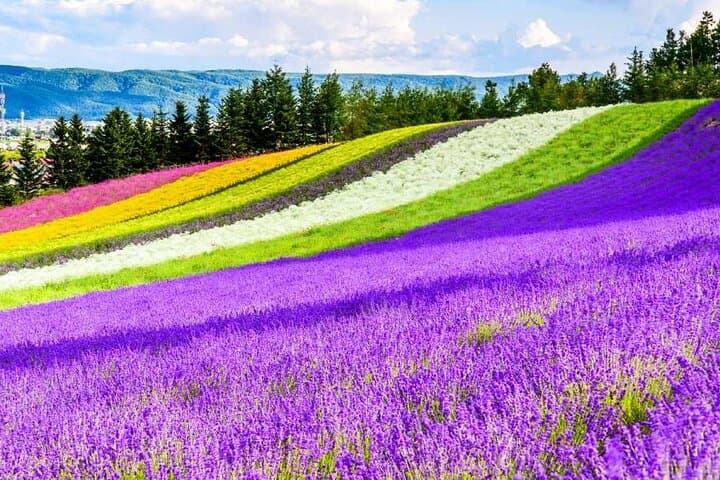
A cool morning on the bus from Sapporo turns the city’s edges into a ribbon of rice paddies and low hills. By the time you crest the Roller Coaster Road, the land opens into a patchwork of planted stripes—lavender, tulips, sunflowers—each row arranged with the precision of a horticultural plan. The Blue Pond waits like a painted coin in a clearing, its water daring you to explain the color.
A cool morning on the bus from Sapporo turns the city’s edges into a ribbon of rice paddies and low hills. By the time you crest the Roller Coaster Road, the land opens into a patchwork of planted stripes—lavender, tulips, sunflowers—each row arranged with the precision of a horticultural plan. The Blue Pond waits like a painted coin in a clearing, its water daring you to explain the color.
The region’s landscapes are shaped by volcanic soils and glacial reshaping from the last ice age; Biei and Furano sit on layered volcanic ash and fertile alluvium that favor field agriculture and the riotous flower displays that define summer. The flower farms are a modern agricultural culture built for both production and spectacle—Farm Tomita’s lavender fields are an example of postwar agricultural diversification that now fuels local tourism.
Expect easy walking paths at the Blue Pond and Shikisai no Oka with wide viewing platforms and short loops designed for photographers and families. Seasonality drives the show: late June–July for peak lavender, spring and fall for bulbs and cosmos. The tour’s full-day schedule includes coach transport, lunch options, and timed stops—arrive at the Sapporo meeting point on time; the bus leaves promptly.
Practical prep: bring layered clothing for variable mountain sun and breeze, a rain shell for sudden showers, and a neutral-tone lens hood to manage reflections on the pond. Hydration, modest footwear for gravel paths, and patience for crowds make the day smoother. For photographers, golden-hour planning means starting the day alert—the countryside changes fast and rewards the curious.