THE ADVENTURE COLLECTIVE® · Independent discovery and booking for outdoor travel

A one‑day loop from Sapporo that pairs Asahiyama Zoo’s famous penguin displays with the surreal Blue Pond and the craft-lined Ningle Terrace in Furano. Expect scenic stops, short walks, and strong photo opportunities with a practical pace for any traveler.
A one‑day loop from Sapporo that pairs Asahiyama Zoo’s famous penguin displays with the surreal Blue Pond and the craft-lined Ningle Terrace in Furano. Expect scenic stops, short walks, and strong photo opportunities with a practical pace for any traveler.
You step onto the bus at Sapporo Station as low winter sun cuts across the frosted windshield—by midmorning the landscape opens to raw Hokkaido: fields rolling into forest, a cobalt pool framed by dead trunks, and a village of timber cottages where smoke drifts from chimneys.
Verified experiences and guided adventures in the surrounding area.
Operated by QHTravel · Sapporo, Hokkaido
You step onto the bus at Sapporo Station as low winter sun cuts across the frosted windshield—by midmorning the landscape opens to raw Hokkaido: fields rolling into forest, a cobalt pool framed by dead trunks, and a village of timber cottages where smoke drifts from chimneys.
The route links three distinct pieces of Hokkaido’s story. Asahiyama Zoo popularized behavioral exhibits in northern Japan, bringing you face-to-face with penguins that waddle along snowbanks and seals that slice through glassy water. The Blue Pond (Aoi-ike) is a recent, human-shaped feature created during river-control works; minerals suspended in the water refract light and give it an otherworldly blue. Furano’s Ningle Terrace grew as a crafts village and now offers intimate shops and local ceramics amid spruce and fir.
Geology and winter weather shape the day: volcanic soils and engineered riverworks produced Blue Pond’s color, while cold Siberian air sculpts snowfields that can hold sub-zero temperatures and brilliant blue skies.
Practical guidance: expect a long day—8–10 hours with short walking windows at each stop. Wear warm, layered clothing in winter and waterproof shoes year-round; trails and viewing platforms can be slippery when wet or icy. Bring cash for small shops and onsen entry if you opt for a soak. Photography opportunities are frequent—step back onto boardwalks or asphalt when framing the Blue Pond to respect farmland and private property. If traveling in peak winter, allow extra time for transfers; if you prefer fewer crowds, choose shoulder seasons (late spring or early autumn) when colors shift but the walking remains easy.
easy.
8–10 hours.
Suitable for most fitness levels; requires short, easy walks and standing time at viewpoints.
The tour runs about 8–10 hours with meeting at Sapporo Station North Exit (meeting time ~7:45 a.m., departure ~8:00 a.m.).
Yes—Asahiyama Zoo entrance fee is included in the tour inclusions.
Yes—the Blue Pond is accessible in winter, though boardwalks can be icy and access may be limited during severe weather; confirm seasonal closures ahead of time.
Lunch is typically arranged as part of the itinerary in local restaurants, but check the specific tour listing for included meals and any optional purchases.
Asahiyama Zoo reinvented zoo display strategy in the late 20th century with behavior-focused exhibits; Blue Pond itself resulted from late‑20th-century river-control work and mineral runoff that creates its vivid hue.
Stick to boardwalks and marked paths to protect fragile wetlands and agricultural land; peak-season visitation has prompted local measures to limit erosion and preserve farmland access.
QHTravel operates guided outdoor trips and adventures with an emphasis on safety, stewardship, and memorable experiences.


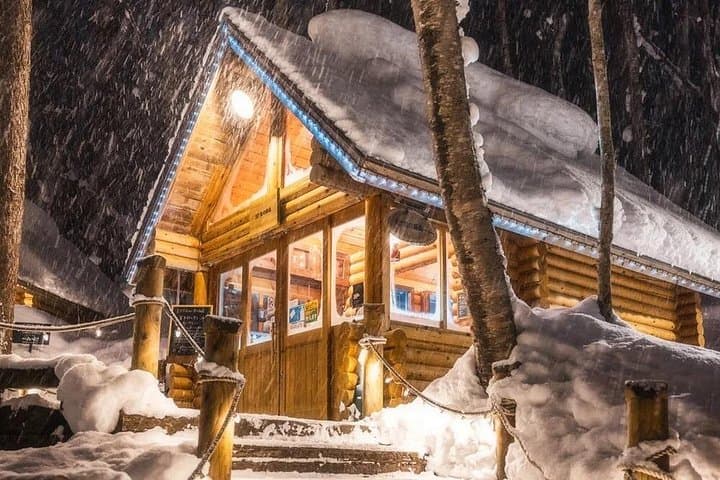

You step onto the bus at Sapporo Station as low winter sun cuts across the frosted windshield—by midmorning the landscape opens to raw Hokkaido: fields rolling into forest, a cobalt pool framed by dead trunks, and a village of timber cottages where smoke drifts from chimneys.
You step onto the bus at Sapporo Station as low winter sun cuts across the frosted windshield—by midmorning the landscape opens to raw Hokkaido: fields rolling into forest, a cobalt pool framed by dead trunks, and a village of timber cottages where smoke drifts from chimneys.
The route links three distinct pieces of Hokkaido’s story. Asahiyama Zoo popularized behavioral exhibits in northern Japan, bringing you face-to-face with penguins that waddle along snowbanks and seals that slice through glassy water. The Blue Pond (Aoi-ike) is a recent, human-shaped feature created during river-control works; minerals suspended in the water refract light and give it an otherworldly blue. Furano’s Ningle Terrace grew as a crafts village and now offers intimate shops and local ceramics amid spruce and fir.
Geology and winter weather shape the day: volcanic soils and engineered riverworks produced Blue Pond’s color, while cold Siberian air sculpts snowfields that can hold sub-zero temperatures and brilliant blue skies.
Practical guidance: expect a long day—8–10 hours with short walking windows at each stop. Wear warm, layered clothing in winter and waterproof shoes year-round; trails and viewing platforms can be slippery when wet or icy. Bring cash for small shops and onsen entry if you opt for a soak. Photography opportunities are frequent—step back onto boardwalks or asphalt when framing the Blue Pond to respect farmland and private property. If traveling in peak winter, allow extra time for transfers; if you prefer fewer crowds, choose shoulder seasons (late spring or early autumn) when colors shift but the walking remains easy.