THE ADVENTURE COLLECTIVE® · Independent discovery and booking for outdoor travel

A full-day loop from Sapporo that pairs Asahiyama Zoo’s behavioral exhibits with Biei’s iconic landscapes — the solitary Christmas tree, the surreal blue of Shirogane Pond, and the delicate Shirahige Waterfall. Ideal for photographers and nature-focused day-trippers.
A full-day loop from Sapporo that pairs Asahiyama Zoo’s behavioral exhibits with Biei’s iconic landscapes — the solitary Christmas tree, the surreal blue of Shirogane Pond, and the delicate Shirahige Waterfall. Ideal for photographers and nature-focused day-trippers.
A cold wind pushes across the open fields as the bus unrolls away from Sapporo early in the morning, delivering a scattered line of travelers toward Hokkaido’s northern plains. By midmorning you’re at Asahiyama Zoo, standing behind glass as a polar bear arcs through water and penguins parade on the snow, a close, behavior-first viewing experience that feels intentionally up close rather than staged.
Verified experiences and guided adventures in the surrounding area.
Operated by Trevopedia Wonders · Sapporo, Hokkaido
A cold wind pushes across the open fields as the bus unrolls away from Sapporo early in the morning, delivering a scattered line of travelers toward Hokkaido’s northern plains. By midmorning you’re at Asahiyama Zoo, standing behind glass as a polar bear arcs through water and penguins parade on the snow, a close, behavior-first viewing experience that feels intentionally up close rather than staged.
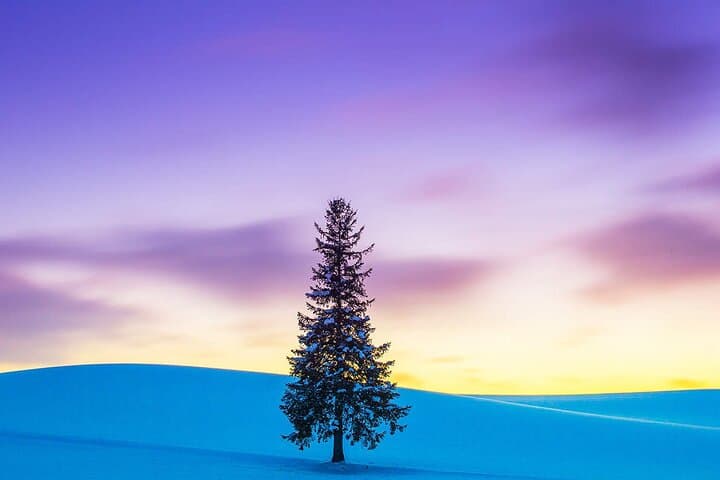
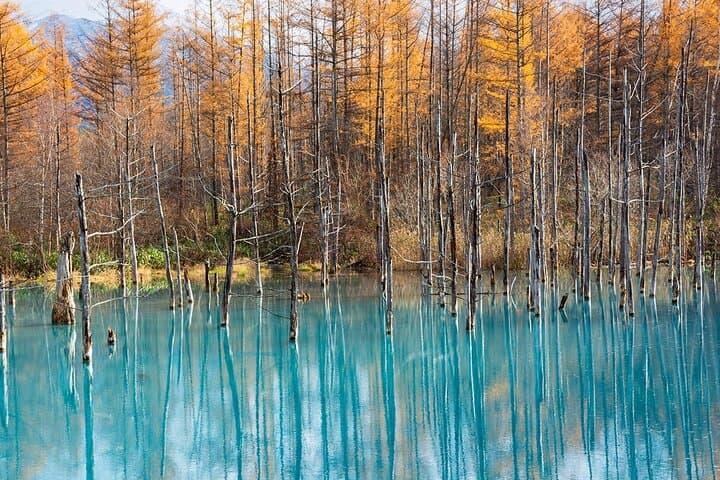
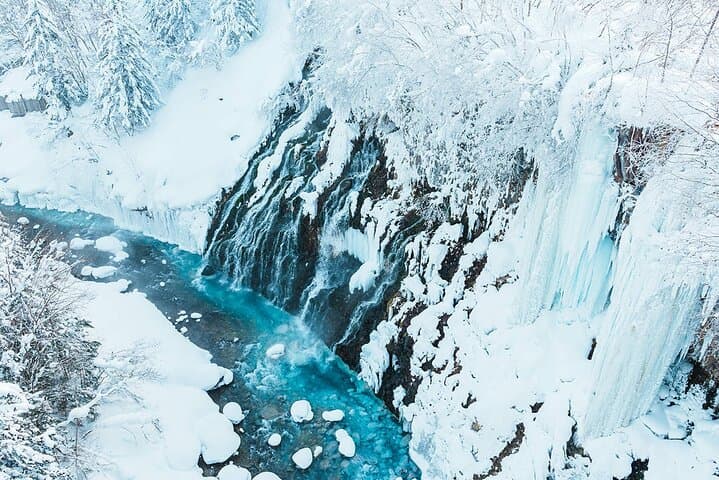
This loop through Asahikawa and Biei stitches natural history and rural culture: Asahiyama Zoo, founded in the late 1960s and reworked for behavioral exhibits, pioneered visitor-facing enclosures that emphasize animal movement. The Biei countryside sits on layers of volcanic ash and glacial deposits; the solitary “Christmas tree” sits on reformed moraine and fields carved for potato and flower farms. Shirogane Blue Pond owes its unreal color to mineral reactions in man-made dam waters, while Shirahige Waterfall pours thin white threads over volcanic rock, giving the falls their name.
Expect photography-driven stops, short walks on maintained paths, and seasonal shifts—snow fields and penguin parades in winter, intense greens and roadside flowers in summer. Cultural notes: Biei’s farm roads are working landscapes—observe local etiquette and avoid trampling crops.
Practical guidance: this is a long (9–11 hour) day on a shared coach with guided portions at each site; bring layers for wind and sudden temperature swings, comfortable shoes for short, sometimes muddy walks, and a power bank for cameras. Arrive at Sapporo Station 10 minutes early for departure; keep plans flexible after the tour — traffic and weather can delay returns.
easy.
9–11 hours.
Suitable for most fitness levels; involves short, flat walks and standing at viewpoints
The operator departs from Sapporo Station North Exit and returns to the same general area; exact meeting details are emailed the night before.
Yes, entrance to Asahiyama Zoo is included in the tour price.
Yes—arrival times and stop durations may be adjusted for weather and traffic; the operator may cancel in severe conditions.
The tour and transportation are listed as wheelchair accessible, but some outdoor observation paths may be uneven—contact the operator with specific needs.
Asahiyama Zoo opened in the late 1960s and later reinvented its exhibits to emphasize animal behavior, while Biei’s rolling fields were shaped by volcanic and glacial deposits important to local agriculture.
Shirogane Blue Pond’s color depends on delicate water chemistry and foot traffic can damage shoreline vegetation—stay on paths and follow local signage to protect waterways.
Trevopedia Wonders operates guided outdoor trips and adventures with an emphasis on safety, stewardship, and memorable experiences.
A cold wind pushes across the open fields as the bus unrolls away from Sapporo early in the morning, delivering a scattered line of travelers toward Hokkaido’s northern plains. By midmorning you’re at Asahiyama Zoo, standing behind glass as a polar bear arcs through water and penguins parade on the snow, a close, behavior-first viewing experience that feels intentionally up close rather than staged.
A cold wind pushes across the open fields as the bus unrolls away from Sapporo early in the morning, delivering a scattered line of travelers toward Hokkaido’s northern plains. By midmorning you’re at Asahiyama Zoo, standing behind glass as a polar bear arcs through water and penguins parade on the snow, a close, behavior-first viewing experience that feels intentionally up close rather than staged.
This loop through Asahikawa and Biei stitches natural history and rural culture: Asahiyama Zoo, founded in the late 1960s and reworked for behavioral exhibits, pioneered visitor-facing enclosures that emphasize animal movement. The Biei countryside sits on layers of volcanic ash and glacial deposits; the solitary “Christmas tree” sits on reformed moraine and fields carved for potato and flower farms. Shirogane Blue Pond owes its unreal color to mineral reactions in man-made dam waters, while Shirahige Waterfall pours thin white threads over volcanic rock, giving the falls their name.
Expect photography-driven stops, short walks on maintained paths, and seasonal shifts—snow fields and penguin parades in winter, intense greens and roadside flowers in summer. Cultural notes: Biei’s farm roads are working landscapes—observe local etiquette and avoid trampling crops.
Practical guidance: this is a long (9–11 hour) day on a shared coach with guided portions at each site; bring layers for wind and sudden temperature swings, comfortable shoes for short, sometimes muddy walks, and a power bank for cameras. Arrive at Sapporo Station 10 minutes early for departure; keep plans flexible after the tour — traffic and weather can delay returns.