THE ADVENTURE COLLECTIVE® · Independent discovery and booking for outdoor travel

Spend a full day from Sapporo tracing Hokkaido’s volcanic spine — steam vents at Noboribetsu, the Usuzan Ropeway, Showa Shinzan and the shimmering caldera of Lake Tōya. Short walks and panoramic stops make this a concentrated introduction to the island’s geology and wildlife.
Spend a full day from Sapporo tracing Hokkaido’s volcanic spine — steam vents at Noboribetsu, the Usuzan Ropeway, Showa Shinzan and the shimmering caldera of Lake Tōya. Short walks and panoramic stops make this a concentrated introduction to the island’s geology and wildlife.
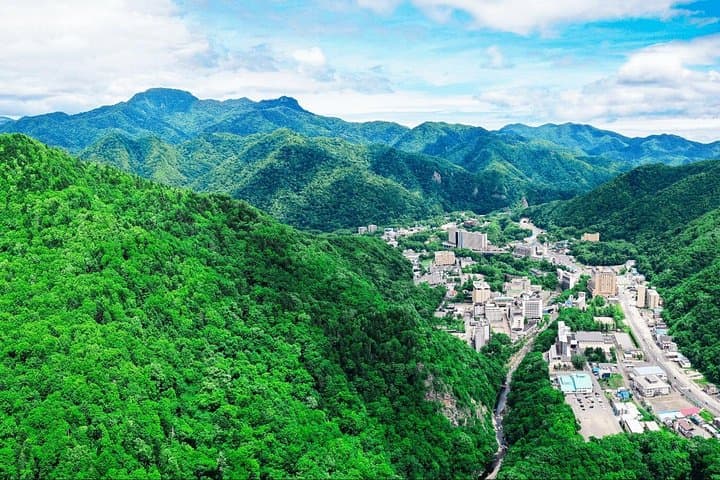
A cold morning in Sapporo, and the coach eases out of the city as fields and low hills unfold. By mid-morning you’re walking along wooden boardwalks where steam hisses from the earth and sulfur scents the air — Hell Valley’s geothermal forces feel alive, daring you to stare into vents that have shaped local life for centuries.
Verified experiences and guided adventures in the surrounding area.
Operated by Trevopedia Wonders · Toyako (Lake Tōya), Hokkaido
A cold morning in Sapporo, and the coach eases out of the city as fields and low hills unfold. By mid-morning you’re walking along wooden boardwalks where steam hisses from the earth and sulfur scents the air — Hell Valley’s geothermal forces feel alive, daring you to stare into vents that have shaped local life for centuries.
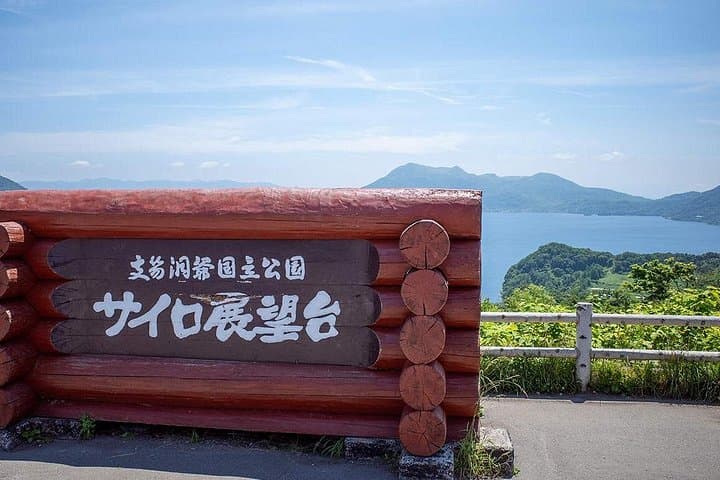
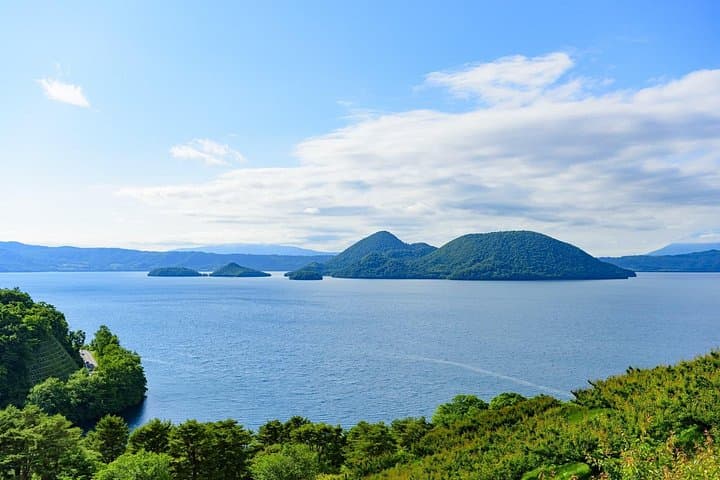
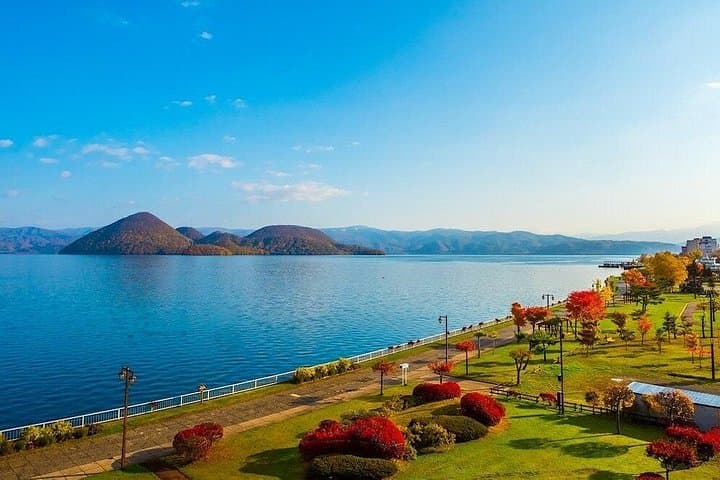
This route stitches together Japan’s volcanic story: Noboribetsu’s caldera-formed valley, the young lava dome of Showa Shinzan, and Mount Usu’s frequent reshaping of the landscape. Lake Tōya itself is a clear caldera lake, its low wind-stirred surface reflecting the clean cone of Mt. Yōtei — Hokkaido’s version of a perfectly sculpted peak. Cultural threads are visible everywhere: onsen towns built from volcanic steam, bear ranches that conserve and display Hokkaido’s brown bears, and farms selling milk and cheese born of the cool northern climate.
Practically, the day is paced for discovery, not endurance: short walks, observation decks, a ropeway ascent, and time for viewpoints and light local tasting. Expect boardwalks and paved paths at main sites; some stairs and uneven volcanic gravel near craters. Guides provide history and safety context, especially around active vents.
Plan for variable weather, bring layers and a camera with a spare battery, and leave time at the lake observatory for late-afternoon light. If you want longer stays at any point — an onsen soak or extended crater walk — consider an overnight base in Toyako or Noboribetsu and return to Sapporo the next day.
easy.
9–10 hours.
Suitable for travelers with basic mobility; involves short walks and some stairs but no sustained hiking.
Yes — the tour includes round-trip transfers from the meeting point at Sapporo Station North Exit Group Bus Terminal; arrive 10 minutes early.
Some admissions such as the Usuzan Ropeway and certain show entrances are included or arranged on the itinerary; check the operator details for specifics on paid optional activities at Snow World Toya.
The tour is designed for a broad range of abilities; those with severe mobility limits should confirm site access in advance.
Meals are not typically included; the itinerary allows time to sample local snacks and light meals at Lake Hill Farm or nearby stops.
The region’s landscape was dramatically reshaped by eruptions in the 20th century — notably the birth of Showa Shinzan in the 1940s and repeated activity at Mount Usu — which influenced local settlement and onsen development.
Areas visited are within or adjacent to national park zones and onsen towns; stay on designated paths, follow wildlife viewing rules, and dispose of waste to protect fragile geothermal features.
Trevopedia Wonders operates guided outdoor trips and adventures with an emphasis on safety, stewardship, and memorable experiences.
A cold morning in Sapporo, and the coach eases out of the city as fields and low hills unfold. By mid-morning you’re walking along wooden boardwalks where steam hisses from the earth and sulfur scents the air — Hell Valley’s geothermal forces feel alive, daring you to stare into vents that have shaped local life for centuries.
A cold morning in Sapporo, and the coach eases out of the city as fields and low hills unfold. By mid-morning you’re walking along wooden boardwalks where steam hisses from the earth and sulfur scents the air — Hell Valley’s geothermal forces feel alive, daring you to stare into vents that have shaped local life for centuries.
This route stitches together Japan’s volcanic story: Noboribetsu’s caldera-formed valley, the young lava dome of Showa Shinzan, and Mount Usu’s frequent reshaping of the landscape. Lake Tōya itself is a clear caldera lake, its low wind-stirred surface reflecting the clean cone of Mt. Yōtei — Hokkaido’s version of a perfectly sculpted peak. Cultural threads are visible everywhere: onsen towns built from volcanic steam, bear ranches that conserve and display Hokkaido’s brown bears, and farms selling milk and cheese born of the cool northern climate.
Practically, the day is paced for discovery, not endurance: short walks, observation decks, a ropeway ascent, and time for viewpoints and light local tasting. Expect boardwalks and paved paths at main sites; some stairs and uneven volcanic gravel near craters. Guides provide history and safety context, especially around active vents.
Plan for variable weather, bring layers and a camera with a spare battery, and leave time at the lake observatory for late-afternoon light. If you want longer stays at any point — an onsen soak or extended crater walk — consider an overnight base in Toyako or Noboribetsu and return to Sapporo the next day.