THE ADVENTURE COLLECTIVE® · Independent discovery and booking for outdoor travel

Spend a day touring Hokkaido’s most photographed landscapes: the surreal Blue Pond, rolling flower farms in Furano, and the craft-lined Ningle Terrace. This guided excursion blends easy walks, panoramic viewpoints, and local flavor in a single 9–9.5 hour outing from Sapporo.
Spend a day touring Hokkaido’s most photographed landscapes: the surreal Blue Pond, rolling flower farms in Furano, and the craft-lined Ningle Terrace. This guided excursion blends easy walks, panoramic viewpoints, and local flavor in a single 9–9.5 hour outing from Sapporo.
Morning light slices across Hokkaido’s countryside as the coach peels away from Sapporo Station and the road begins to climb—first the Roller Coaster Road, where hills rise and fall like a breath, then wide fields that stretch toward distant, snow-pinned peaks.
Verified experiences and guided adventures in the surrounding area.
Operated by Hotel Takitei · Sapporo, Hokkaido
Morning light slices across Hokkaido’s countryside as the coach peels away from Sapporo Station and the road begins to climb—first the Roller Coaster Road, where hills rise and fall like a breath, then wide fields that stretch toward distant, snow-pinned peaks.
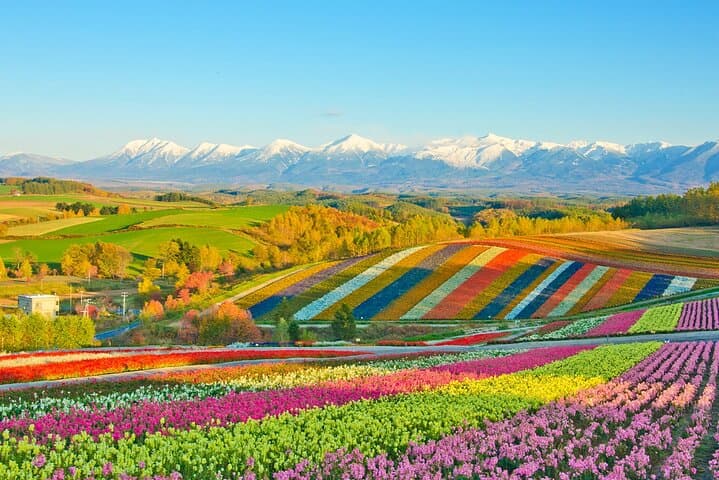
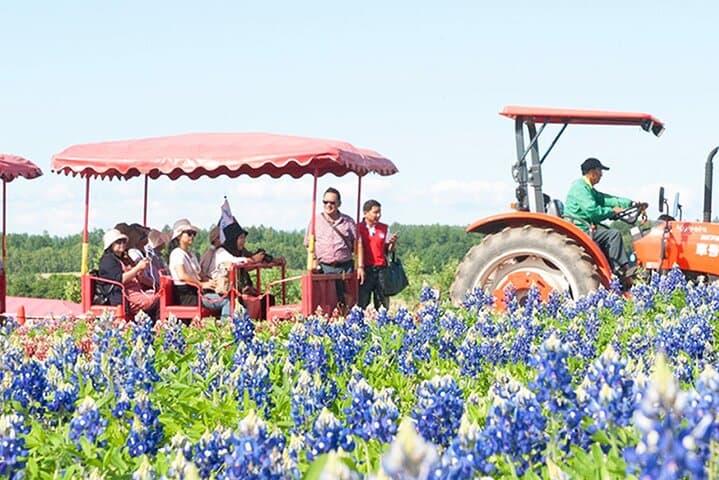
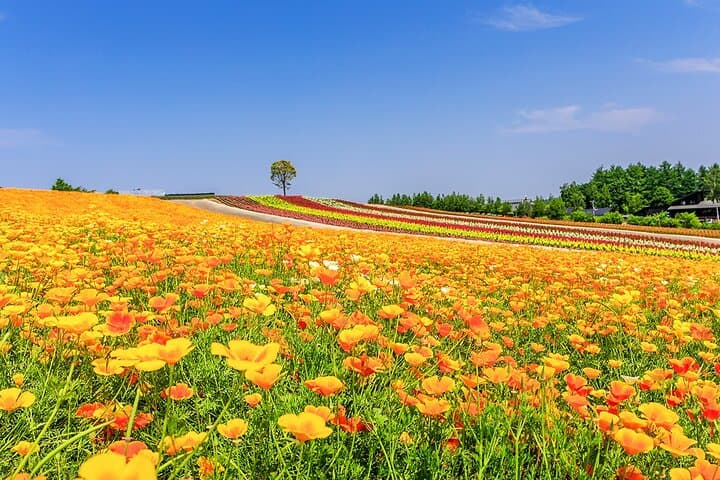
This full-day loop stitches together distinct chapters of central Hokkaido: the artificially shaped Blue Pond whose milky-blue surface reflects pale birch trunks; expansive flower farms where lavender rows and multicolored beds march across slopes; and Ningle Terrace, a cluster of wooden workshops in a pine grove that smells of resin and cut wood.
Geology and human response meet here: the Blue Pond’s color comes from suspended minerals and the post-volcanic river engineering intended to control mudflows from nearby eruptions. Furano’s farms evolved in the 20th century as agriculture met tourism, turning seasonal crops—lavender, tulips, dahlias—into carefully timed attractions. Local craft at Ningle Terrace grew from a revival of regional artisanship, offering handmade textiles, glass, and scented lavender goods.
Expect short, mostly flat walks at each stop, photo vantage points, and brief guided commentary. Peak lavender is typically mid-July; tulips and daffodils come earlier in spring. Bring layered clothing for rapidly changing sun and wind, small bills for cottage shops and snacks, and a camera with a spare battery—the light here changes fast.
Practical tip: arrive at the Sapporo Station meeting point 15 minutes early, carry water, and plan for a roughly 9–9.5 hour day including transport between dispersed sites.
easy.
9–9.5 hours.
Suitable for most fitness levels; requires standing, short walks (10–40 minutes) and navigating uneven boardwalks.
The tour departs from and returns to Sapporo Station North Exit; meet the guide by the yellow Gogoday flag at 8:00 AM.
Lavender typically peaks in mid-July; season timing can shift with weather, so check local reports before booking.
Yes—infants and small children in prams are accommodated, though some short paths have stairs or uneven surfaces.
Transportation and some site admissions (where noted in the itinerary) are included; bring extra cash for optional purchases and snacks.
The Blue Pond was shaped during river-control projects after volcanic activity in the region; its striking color results from suspended minerals interacting with light. Furano’s flower farms developed as diversified agriculture combined with tourism, especially after mid-20th-century agricultural expansion.
Stay on designated paths to protect fragile flower beds and boggy pond margins; local businesses promote low-impact tourism—avoid picking flowers and dispose of litter in town facilities.
Hotel Takitei operates guided outdoor trips and adventures with an emphasis on safety, stewardship, and memorable experiences.
Morning light slices across Hokkaido’s countryside as the coach peels away from Sapporo Station and the road begins to climb—first the Roller Coaster Road, where hills rise and fall like a breath, then wide fields that stretch toward distant, snow-pinned peaks.
Morning light slices across Hokkaido’s countryside as the coach peels away from Sapporo Station and the road begins to climb—first the Roller Coaster Road, where hills rise and fall like a breath, then wide fields that stretch toward distant, snow-pinned peaks.
This full-day loop stitches together distinct chapters of central Hokkaido: the artificially shaped Blue Pond whose milky-blue surface reflects pale birch trunks; expansive flower farms where lavender rows and multicolored beds march across slopes; and Ningle Terrace, a cluster of wooden workshops in a pine grove that smells of resin and cut wood.
Geology and human response meet here: the Blue Pond’s color comes from suspended minerals and the post-volcanic river engineering intended to control mudflows from nearby eruptions. Furano’s farms evolved in the 20th century as agriculture met tourism, turning seasonal crops—lavender, tulips, dahlias—into carefully timed attractions. Local craft at Ningle Terrace grew from a revival of regional artisanship, offering handmade textiles, glass, and scented lavender goods.
Expect short, mostly flat walks at each stop, photo vantage points, and brief guided commentary. Peak lavender is typically mid-July; tulips and daffodils come earlier in spring. Bring layered clothing for rapidly changing sun and wind, small bills for cottage shops and snacks, and a camera with a spare battery—the light here changes fast.
Practical tip: arrive at the Sapporo Station meeting point 15 minutes early, carry water, and plan for a roughly 9–9.5 hour day including transport between dispersed sites.