THE ADVENTURE COLLECTIVE® · Independent discovery and booking for outdoor travel

Spend a full day moving from clay to canals in Hoi An: try pottery with local artisans, work the soil at Tra Que, ride a basket boat and buffalo, then explore the UNESCO-listed old town by foot and sampan. This practical, hands-on tour blends rural labor with cultural history.
Spend a full day moving from clay to canals in Hoi An: try pottery with local artisans, work the soil at Tra Que, ride a basket boat and buffalo, then explore the UNESCO-listed old town by foot and sampan. This practical, hands-on tour blends rural labor with cultural history.
Morning light slants along the Thu Bon River as your guide collects you from a hotel in Hoi An or Da Nang. Within minutes you’re in low-lying rice country where water buffalo chew calmly and coconut palms bend to the wind, and the day feels organized around the river’s slow push.
Verified experiences and guided adventures in the surrounding area.
Operated by My Son Tours · Hoi An, Quang Nam
Morning light slants along the Thu Bon River as your guide collects you from a hotel in Hoi An or Da Nang. Within minutes you’re in low-lying rice country where water buffalo chew calmly and coconut palms bend to the wind, and the day feels organized around the river’s slow push.
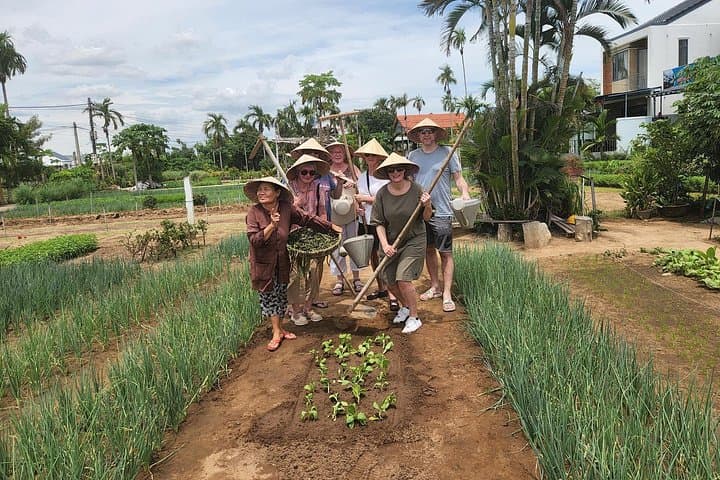
Start at Thanh Ha Pottery Village: clay under your fingernails, a potter’s wheel taught by a family who has shaped ceramics for generations. Then Tra Que vegetable village offers a hands-on rhythm—stomping seaweed fertilizer, sowing seedlings, and hauling two traditional watering cans—practical tasks that reveal how local food systems still run on human muscle and seasonal tide.
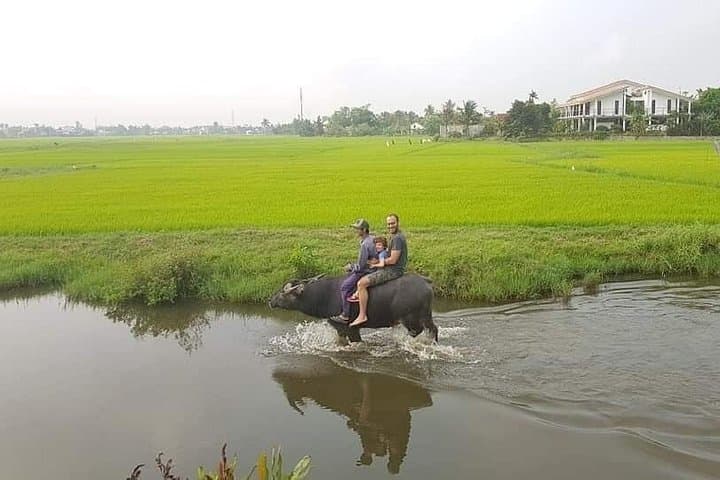
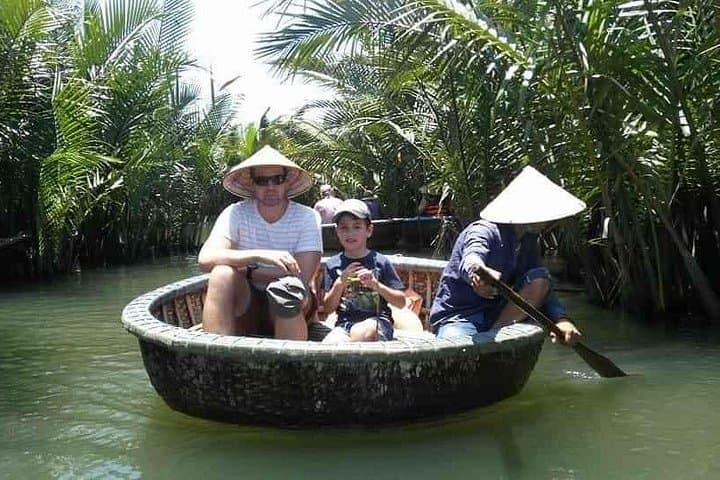
At the palm coconut forest you swap the road for a basket boat—round, buoyant, and surprisingly steady—as you try a cast net and fish for crabs. A short buffalo ride and a local lunch follow, then the tour pivots to the compact streets of Hoi An.
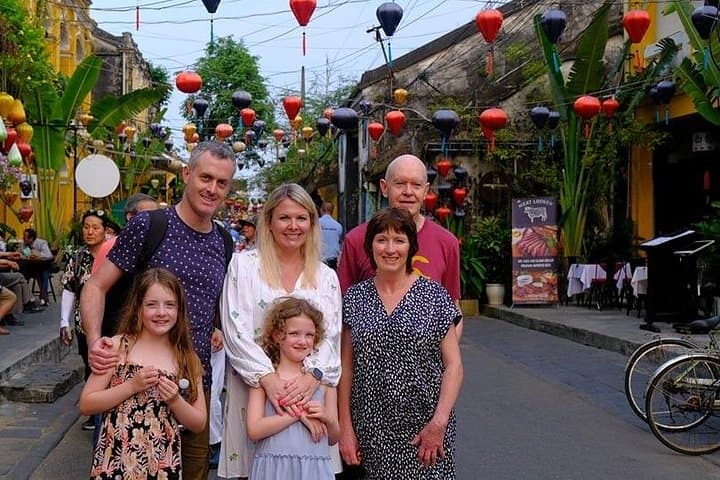
The ancient port, a UNESCO site, details layers of Cham, Chinese, Japanese and French influence in wooden shop-houses, the Japanese Covered Bridge and Phuc Kien Assembly Hall. A 20-minute sampan along the lantern-lit canals shows Hoi An’s night identity—lanterns bob like quiet beacons and the river reflects the town’s long trading past.
Practical guidance: wear quick-dry shoes and sun protection, bring local currency for market buys, and expect a full 9–10 hour day with moderate walking and some stooping in village activities. The itinerary blends light farm labor, short boat handling, and cultural walking—ideal for travelers who want active immersion without technical skills required.
moderate.
9–10 hours.
Good for travelers in average physical condition who can walk several kilometers, bend, and perform light farm tasks.
Yes—children can usually participate in pottery and the basket boat with supervision, but confirm age limits with the operator and prepare for a long day.
Bottled water and a local lunch are included; bring snacks if you have specific dietary needs or an early appetite.
The buffalo ride is short and low-speed but requires safe mounting; discuss mobility concerns with the guide prior to booking.
Expect moderate walking over uneven, often cobbled streets for roughly 1–2 hours during the old town visit and market stops.
Hoi An was a major trading port from the 15th to 19th centuries, where Cham, Japanese, Chinese and European merchants met, giving the town its layered architecture.
Visitors should avoid single-use plastics, stick to marked paths in village fields, and follow guides' instructions when handling wildlife and nets to minimize disturbance.
My Son Tours operates guided outdoor trips and adventures with an emphasis on safety, stewardship, and memorable experiences.
Morning light slants along the Thu Bon River as your guide collects you from a hotel in Hoi An or Da Nang. Within minutes you’re in low-lying rice country where water buffalo chew calmly and coconut palms bend to the wind, and the day feels organized around the river’s slow push.
Morning light slants along the Thu Bon River as your guide collects you from a hotel in Hoi An or Da Nang. Within minutes you’re in low-lying rice country where water buffalo chew calmly and coconut palms bend to the wind, and the day feels organized around the river’s slow push.
Start at Thanh Ha Pottery Village: clay under your fingernails, a potter’s wheel taught by a family who has shaped ceramics for generations. Then Tra Que vegetable village offers a hands-on rhythm—stomping seaweed fertilizer, sowing seedlings, and hauling two traditional watering cans—practical tasks that reveal how local food systems still run on human muscle and seasonal tide.
At the palm coconut forest you swap the road for a basket boat—round, buoyant, and surprisingly steady—as you try a cast net and fish for crabs. A short buffalo ride and a local lunch follow, then the tour pivots to the compact streets of Hoi An.
The ancient port, a UNESCO site, details layers of Cham, Chinese, Japanese and French influence in wooden shop-houses, the Japanese Covered Bridge and Phuc Kien Assembly Hall. A 20-minute sampan along the lantern-lit canals shows Hoi An’s night identity—lanterns bob like quiet beacons and the river reflects the town’s long trading past.
Practical guidance: wear quick-dry shoes and sun protection, bring local currency for market buys, and expect a full 9–10 hour day with moderate walking and some stooping in village activities. The itinerary blends light farm labor, short boat handling, and cultural walking—ideal for travelers who want active immersion without technical skills required.