THE ADVENTURE COLLECTIVE® · Independent discovery and booking for outdoor travel

Ride 150 km from Hoi An through rice fields and ferry crossings to the UNESCO‑listed My Son sanctuary in a full‑day motorbike loop. Expect rural lanes, village crafts, and early‑morning temple views—plan for heat, river ferries, and basic riding skills.
Ride 150 km from Hoi An through rice fields and ferry crossings to the UNESCO‑listed My Son sanctuary in a full‑day motorbike loop. Expect rural lanes, village crafts, and early‑morning temple views—plan for heat, river ferries, and basic riding skills.
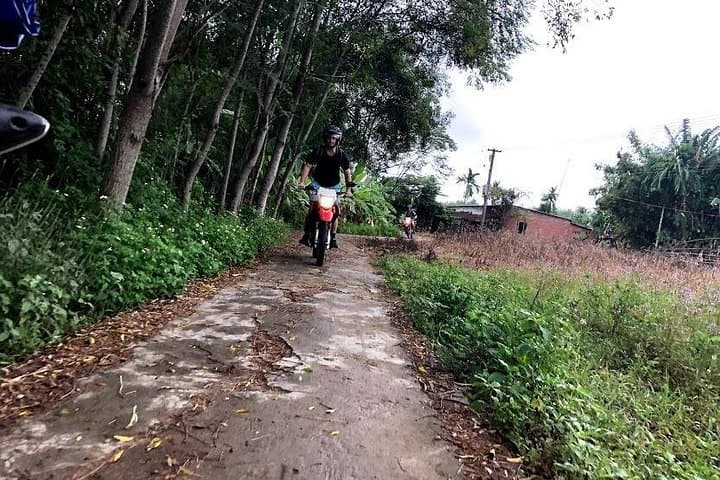
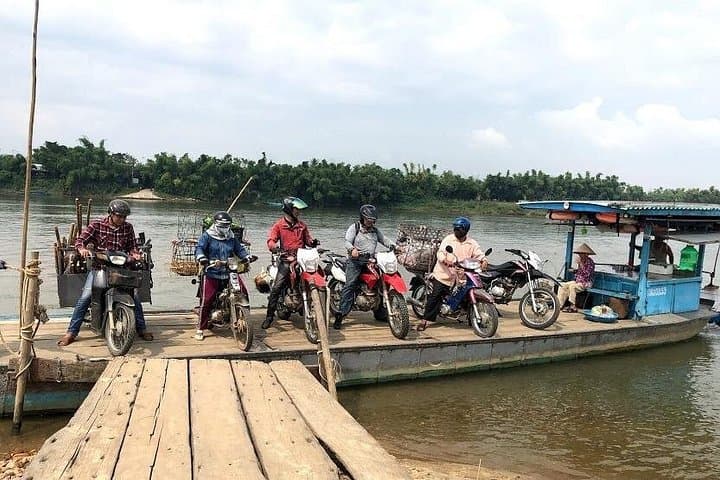
The day begins before the heat, engines ticking as you leave Hoi An's lantern-lit streets and slide onto thin country lanes where the rice paddies open like pages. The Thu Bon River dares you to slow down—local ferries ferry riders and bikes across with a soft rocking that punctuates village life. You ride under low-cropped palm fronds, past women working reed mats, and over a 300‑meter bamboo bridge that seems to flex beneath the tires.
Verified experiences and guided adventures in the surrounding area.
Operated by King Nguyen Travel - Day Tours · Hoi An, Quang Nam
The day begins before the heat, engines ticking as you leave Hoi An's lantern-lit streets and slide onto thin country lanes where the rice paddies open like pages. The Thu Bon River dares you to slow down—local ferries ferry riders and bikes across with a soft rocking that punctuates village life. You ride under low-cropped palm fronds, past women working reed mats, and over a 300‑meter bamboo bridge that seems to flex beneath the tires.
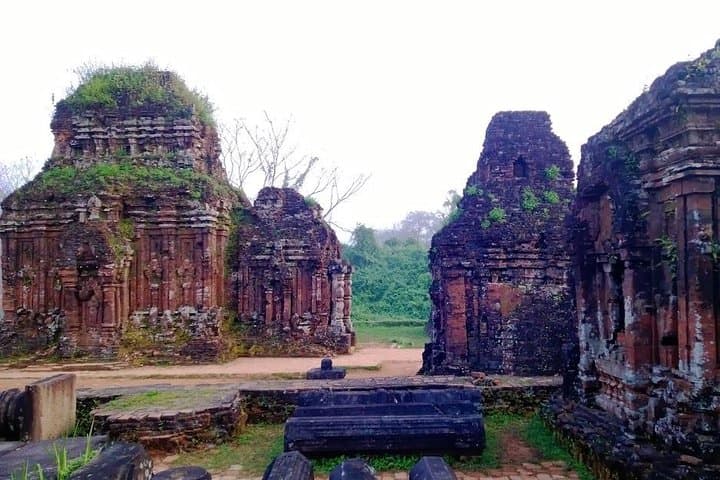
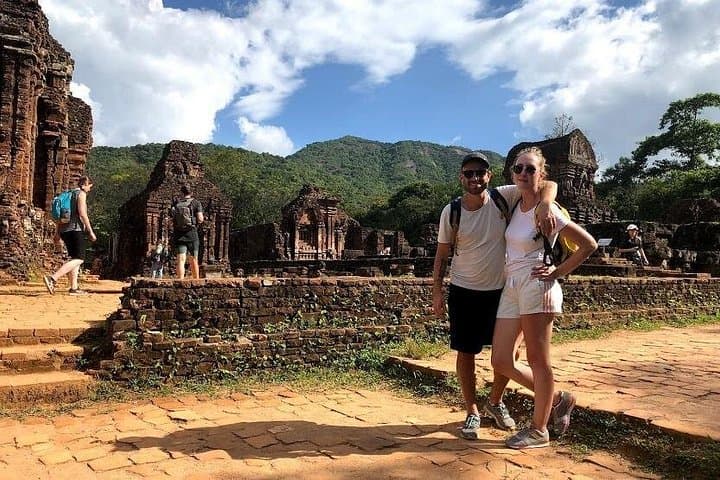
My Son sits inland as a cluster of red-brick towers, a Cham ceremonial center that rose between the 4th and 13th centuries. The ruins and the alluvial plain around them tell a story of river-fed rice agriculture, seasonal flooding, and volcanic highlands supplying laterite and clay. Villages along the loop retain traditional craft skills—mat‑weaving, small‑scale farming—and the culture here moves at the pace of tides and harvests.
Practical guidance: this is a full‑day motorbike loop of roughly 150 km on mixed paved and rural lanes; expect intermittent traffic on main roads and smooth, narrow paths through villages. Helmets and competent riding skills are essential; bring cash for ferry fares and park entrance. Time your visit for early morning at My Son to avoid mid‑day heat and crowds; late afternoon light returns you to Hoi An with long shadows over the fields.
Tips for comfort: sun protection, a lightweight rain layer during the monsoon, and a secure camera will keep you ready for sudden vistas. Respect religious signs at temple ruins and ask before photographing people—local farmers often welcome a smile more than a lens.
moderate.
8–10 hours.
Basic fitness and balance for prolonged motorbike riding; able to mount/dismount and walk short uneven sections.
Most operators require riders to have a valid motorcycle licence; check the booking terms—some provide guided pillion options if you prefer not to ride.
Entrance fees are often not included—bring cash to purchase tickets at the site unless the tour explicitly states otherwise.
Local ferries routinely transport motorcycles and riders; follow staff instructions for loading and securing your bike and expect a short, inexpensive crossing.
Dry season (February–April, September–November) offers cooler temperatures and clearer skies; avoid heavy monsoon downpours in summer for safer road conditions.
My Son was a religious and political center of the Cham Kingdom from roughly the 4th to 13th centuries; many brick towers served as sanctuaries and royal memorials.
The site and surrounding landscape face threats from tourism pressure and erosion; stick to marked paths, avoid touching fragile brickwork, and support local guides to channel tourism revenue locally.
King Nguyen Travel - Day Tours operates guided outdoor trips and adventures with an emphasis on safety, stewardship, and memorable experiences.
The day begins before the heat, engines ticking as you leave Hoi An's lantern-lit streets and slide onto thin country lanes where the rice paddies open like pages. The Thu Bon River dares you to slow down—local ferries ferry riders and bikes across with a soft rocking that punctuates village life. You ride under low-cropped palm fronds, past women working reed mats, and over a 300‑meter bamboo bridge that seems to flex beneath the tires.
The day begins before the heat, engines ticking as you leave Hoi An's lantern-lit streets and slide onto thin country lanes where the rice paddies open like pages. The Thu Bon River dares you to slow down—local ferries ferry riders and bikes across with a soft rocking that punctuates village life. You ride under low-cropped palm fronds, past women working reed mats, and over a 300‑meter bamboo bridge that seems to flex beneath the tires.
My Son sits inland as a cluster of red-brick towers, a Cham ceremonial center that rose between the 4th and 13th centuries. The ruins and the alluvial plain around them tell a story of river-fed rice agriculture, seasonal flooding, and volcanic highlands supplying laterite and clay. Villages along the loop retain traditional craft skills—mat‑weaving, small‑scale farming—and the culture here moves at the pace of tides and harvests.
Practical guidance: this is a full‑day motorbike loop of roughly 150 km on mixed paved and rural lanes; expect intermittent traffic on main roads and smooth, narrow paths through villages. Helmets and competent riding skills are essential; bring cash for ferry fares and park entrance. Time your visit for early morning at My Son to avoid mid‑day heat and crowds; late afternoon light returns you to Hoi An with long shadows over the fields.
Tips for comfort: sun protection, a lightweight rain layer during the monsoon, and a secure camera will keep you ready for sudden vistas. Respect religious signs at temple ruins and ask before photographing people—local farmers often welcome a smile more than a lens.