THE ADVENTURE COLLECTIVE® · Independent discovery and booking for outdoor travel

A three-day circuit linking Hoi An, Hue and Ba Na Hills that combines imperial history, coastal driving and misty highland viewpoints. Expect short walks, stairs at heritage sites and varied weather—great for travelers who want culture with scenic drives.
A three-day circuit linking Hoi An, Hue and Ba Na Hills that combines imperial history, coastal driving and misty highland viewpoints. Expect short walks, stairs at heritage sites and varied weather—great for travelers who want culture with scenic drives.
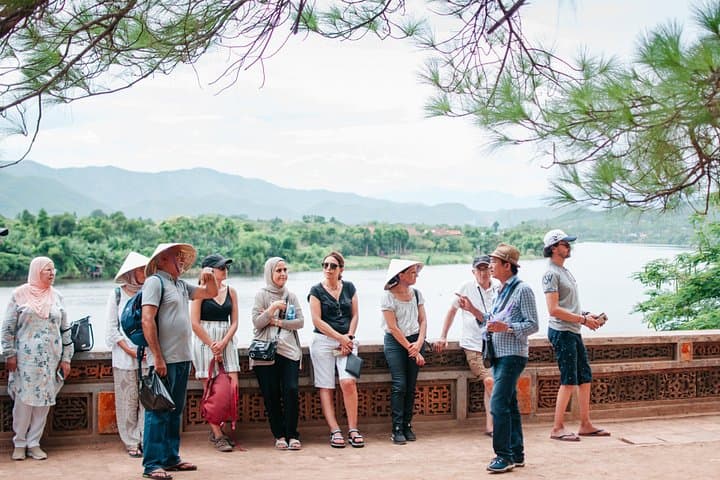
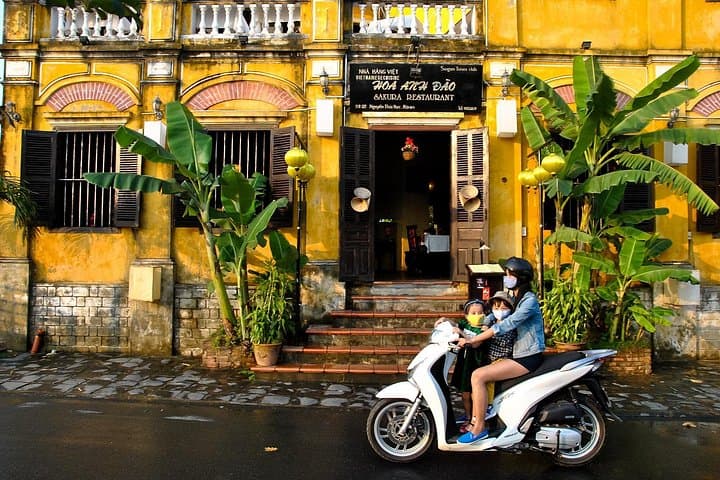
Dawn breaks over the Thu Bon and the tour bus eases out of Hoi An, coast to one side and karst-scattered rice flats to the other. Riders pass through a landscape that alternates between clamoring towns and quiet wetlands; the air tastes faintly of salt and roasting coffee. Over three days the route stitches together imperial Hue, the highland hush of Ba Na Hills and the modern shoreline of Da Nang, giving travelers a layered sense of central Vietnam.
Verified experiences and guided adventures in the surrounding area.
Operated by World Heritage Road · Hoi An, Quang Nam
Dawn breaks over the Thu Bon and the tour bus eases out of Hoi An, coast to one side and karst-scattered rice flats to the other. Riders pass through a landscape that alternates between clamoring towns and quiet wetlands; the air tastes faintly of salt and roasting coffee. Over three days the route stitches together imperial Hue, the highland hush of Ba Na Hills and the modern shoreline of Da Nang, giving travelers a layered sense of central Vietnam.
Hue’s Citadel and Khai Dinh’s tomb speak to the Nguyen dynasty’s last imperial ambitions—ornate stone, glazed tiles, and a compact, ceremonial geography that contrasts with the French-era villas and the long sinuous Hai Van Pass carved into limestone cliffs. Ba Na Hills sits higher, a colonial-era cool retreat reshaped into a resort where the Golden Bridge and mist-shrouded pinewoods dominate views; geology here is volcanic outcrops and eroding karst that funnel cloud and shade. Along the way, Thuy Bieu village and Lang Co Beach reveal quieter, local rhythms—orchards, floating fishermen and roadside coffee stalls.
Practical guidance: expect lots of short walks, stairs at tombs and pagodas, and variable weather—sun to sudden mountain fog. Bring modest clothing for religious sites and a comfortable pair of walking shoes for uneven cobbles. Plan for early departures to beat traffic and midday heat; carry cash for small vendors and tip guides discreetly. With modest fitness and an appetite for cultural detail, this circuit delivers coastal scenery, imperial history and dramatic viewpoints in a compact, three-day itinerary.
easy.
3 days.
Light fitness required—mostly short walks, some stair climbing and standing during site visits
This itinerary runs roughly three days with a mix of driving and short walking stops—expect early departures, multiple photo stops and guided visits at main attractions.
Typical inclusions are breakfast and lunch, bottled water, air-conditioned transport, a 3-star hotel room (2–3 people), and basic insurance—confirm specifics at booking.
Yes—overall activity is gentle, but the tour involves stairs and some uneven ground; it’s not recommended for travelers with severe spinal or cardiovascular issues.
Many operators allow minor adjustments depending on logistics and group size; request changes at booking but expect core cultural sites to remain on the route.
Hue was Vietnam’s imperial capital under the Nguyen dynasty; its citadel and royal tombs reflect 19th-century court architecture and ritual practice.
The region faces pressure from tourism development and litter in sensitive sites; visitors should stick to marked paths, avoid single-use plastics and support local businesses that practice sustainable tourism.
World Heritage Road operates guided outdoor trips and adventures with an emphasis on safety, stewardship, and memorable experiences.


Dawn breaks over the Thu Bon and the tour bus eases out of Hoi An, coast to one side and karst-scattered rice flats to the other. Riders pass through a landscape that alternates between clamoring towns and quiet wetlands; the air tastes faintly of salt and roasting coffee. Over three days the route stitches together imperial Hue, the highland hush of Ba Na Hills and the modern shoreline of Da Nang, giving travelers a layered sense of central Vietnam.
Dawn breaks over the Thu Bon and the tour bus eases out of Hoi An, coast to one side and karst-scattered rice flats to the other. Riders pass through a landscape that alternates between clamoring towns and quiet wetlands; the air tastes faintly of salt and roasting coffee. Over three days the route stitches together imperial Hue, the highland hush of Ba Na Hills and the modern shoreline of Da Nang, giving travelers a layered sense of central Vietnam.
Hue’s Citadel and Khai Dinh’s tomb speak to the Nguyen dynasty’s last imperial ambitions—ornate stone, glazed tiles, and a compact, ceremonial geography that contrasts with the French-era villas and the long sinuous Hai Van Pass carved into limestone cliffs. Ba Na Hills sits higher, a colonial-era cool retreat reshaped into a resort where the Golden Bridge and mist-shrouded pinewoods dominate views; geology here is volcanic outcrops and eroding karst that funnel cloud and shade. Along the way, Thuy Bieu village and Lang Co Beach reveal quieter, local rhythms—orchards, floating fishermen and roadside coffee stalls.
Practical guidance: expect lots of short walks, stairs at tombs and pagodas, and variable weather—sun to sudden mountain fog. Bring modest clothing for religious sites and a comfortable pair of walking shoes for uneven cobbles. Plan for early departures to beat traffic and midday heat; carry cash for small vendors and tip guides discreetly. With modest fitness and an appetite for cultural detail, this circuit delivers coastal scenery, imperial history and dramatic viewpoints in a compact, three-day itinerary.