THE ADVENTURE COLLECTIVE® · Independent discovery and booking for outdoor travel

Wander Hoi An’s lantern-lit alleys on a four-hour walking tour that pairs history with bites—from cao lầu alleys to family-run dumpling stalls. Learn about the town’s trading past while sampling its best street food.
Wander Hoi An’s lantern-lit alleys on a four-hour walking tour that pairs history with bites—from cao lầu alleys to family-run dumpling stalls. Learn about the town’s trading past while sampling its best street food.
You step off the river-side lane as lantern light slides across wet cobbles and the first skillet hisses—a chorus of garlic, citrus and caramelizing sugar that becomes the town's evening map.
Verified experiences and guided adventures in the surrounding area.
Operated by Authentic MAI CHAU · Hoi An, Quang Nam
You step off the river-side lane as lantern light slides across wet cobbles and the first skillet hisses—a chorus of garlic, citrus and caramelizing sugar that becomes the town's evening map.
Hoi An sits where the Thu Bon River meets the South China Sea, an alluvial port whose narrow channels and low hills shaped a centuries-old trading hub. From the 15th to 19th centuries foreign merchants left architectural flourishes and foodways that still flavor the town: Chinese-style shophouses, Japanese bridges, Cham and Vietnamese culinary blends. The geology is simple—fertile river flats that sustained rice and herbs; culture here tastes of that abundance.
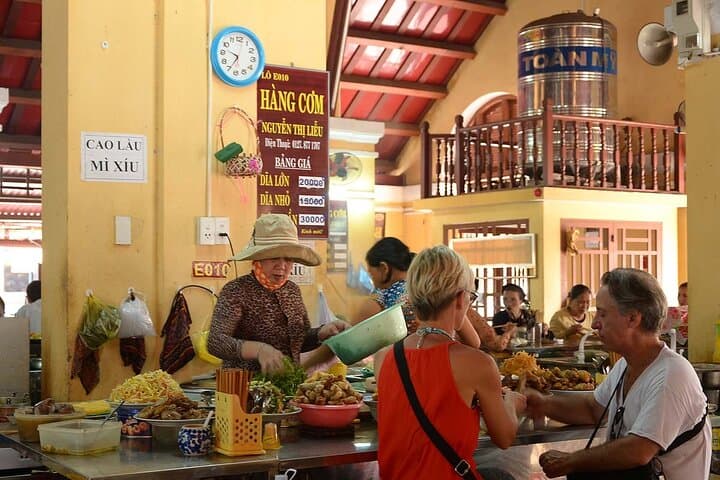
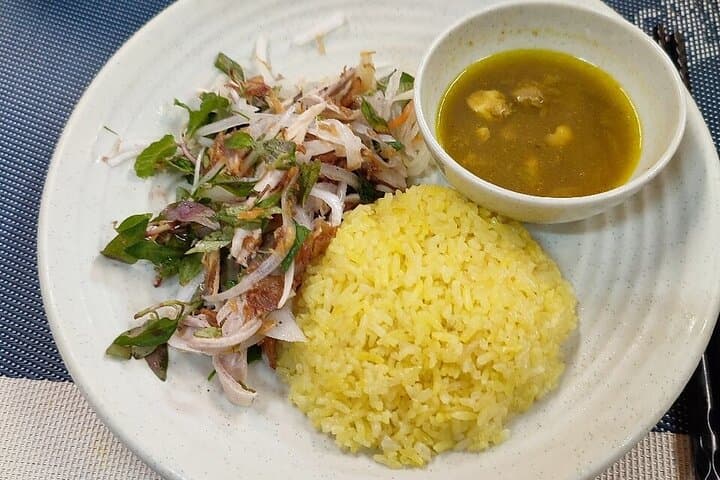
On a guided walking tour you move alley to alley: steaming white rose dumplings folded by hand, the smoky chew of cao lầu tied to the town’s ash-filtered water, a street-side stall where peppery herbs and lime pull flavors taut. The guide threads stories—family recipes, the night market’s evolution, and how local livelihoods hinge on seasonal fishing and tourism.
Practical notes: tours run about four hours and are best at dusk when temperatures dip and vendors hit their stride. Wear closed-toe shoes for uneven pavements, carry small bills for cash-only stalls, and note that many vendors can accommodate vegetarian or gluten-free requests if told in advance. Hydrate between tastings and pace portions—this is a culinary reconnaissance, not a single meal. End the walk with a slow riverbank stroll to let flavors settle and to see Hoi An’s illuminated lanterns reflected in the canal—quiet evidence of a port town that remains alive in its food.
easy.
4 hours.
Light activity; suitable for most fitness levels but expect 1–2 miles of walking on uneven pavement
The walking food tour typically lasts about four hours, including multiple tasting stops and short walks between locations.
Yes — most guides can arrange vegetarian, vegan, or gluten-free alternatives if you indicate requirements when booking.
Many tours include pickup within Hoi An Old Town; check your booking details to confirm pickup location and time.
Tastings are generally small so you can sample a variety of dishes; plan to share portions and pace yourself.
Hoi An was a major Southeast Asian trading port from the 15th to 19th centuries; its blend of Chinese, Japanese, Cham and European influences shaped local architecture and cuisine.
Tourism pressures and single-use plastics affect Hoi An’s waterways and heritage zones; support vendors who use reusable containers and follow local rules to protect the old town.
Authentic MAI CHAU operates guided outdoor trips and adventures with an emphasis on safety, stewardship, and memorable experiences.

You step off the river-side lane as lantern light slides across wet cobbles and the first skillet hisses—a chorus of garlic, citrus and caramelizing sugar that becomes the town's evening map.
You step off the river-side lane as lantern light slides across wet cobbles and the first skillet hisses—a chorus of garlic, citrus and caramelizing sugar that becomes the town's evening map.
Hoi An sits where the Thu Bon River meets the South China Sea, an alluvial port whose narrow channels and low hills shaped a centuries-old trading hub. From the 15th to 19th centuries foreign merchants left architectural flourishes and foodways that still flavor the town: Chinese-style shophouses, Japanese bridges, Cham and Vietnamese culinary blends. The geology is simple—fertile river flats that sustained rice and herbs; culture here tastes of that abundance.
On a guided walking tour you move alley to alley: steaming white rose dumplings folded by hand, the smoky chew of cao lầu tied to the town’s ash-filtered water, a street-side stall where peppery herbs and lime pull flavors taut. The guide threads stories—family recipes, the night market’s evolution, and how local livelihoods hinge on seasonal fishing and tourism.
Practical notes: tours run about four hours and are best at dusk when temperatures dip and vendors hit their stride. Wear closed-toe shoes for uneven pavements, carry small bills for cash-only stalls, and note that many vendors can accommodate vegetarian or gluten-free requests if told in advance. Hydrate between tastings and pace portions—this is a culinary reconnaissance, not a single meal. End the walk with a slow riverbank stroll to let flavors settle and to see Hoi An’s illuminated lanterns reflected in the canal—quiet evidence of a port town that remains alive in its food.