THE ADVENTURE COLLECTIVE® · Independent discovery and booking for outdoor travel

Learn seafood cookery where the day’s catch is chosen at the market and finished over a riverside stove. This private Hoi An class combines market lessons, hands-on cooking and a shared meal of oysters, clams, prawns and more.
Learn seafood cookery where the day’s catch is chosen at the market and finished over a riverside stove. This private Hoi An class combines market lessons, hands-on cooking and a shared meal of oysters, clams, prawns and more.
A low-slung wooden boat slips into the morning light on the Thu Bon’s tributaries and you move with purpose through a market still warm from the night’s catch. The class begins not behind the stoves but at the fishmonger’s stand: prawns, squid and oysters glinting with Cham Island clarity as the chef shows you how to judge freshness by scent, texture and color.
Verified experiences and guided adventures in the surrounding area.
Operated by Hung Le Travel-The Local Signature · Hoi An, Quang Nam
A low-slung wooden boat slips into the morning light on the Thu Bon’s tributaries and you move with purpose through a market still warm from the night’s catch. The class begins not behind the stoves but at the fishmonger’s stand: prawns, squid and oysters glinting with Cham Island clarity as the chef shows you how to judge freshness by scent, texture and color.
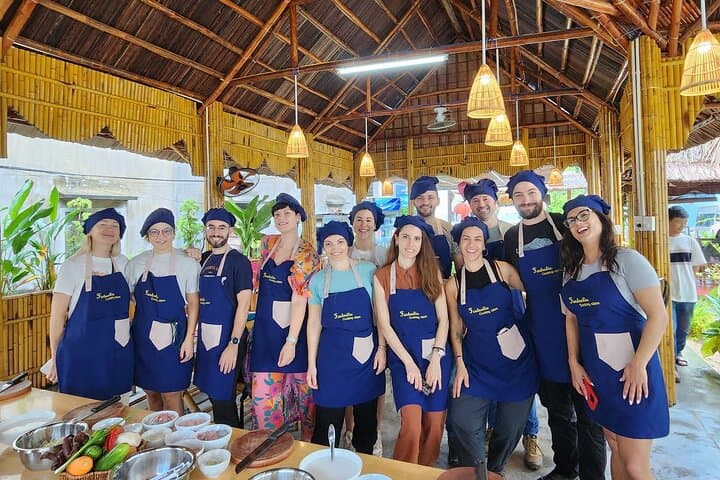
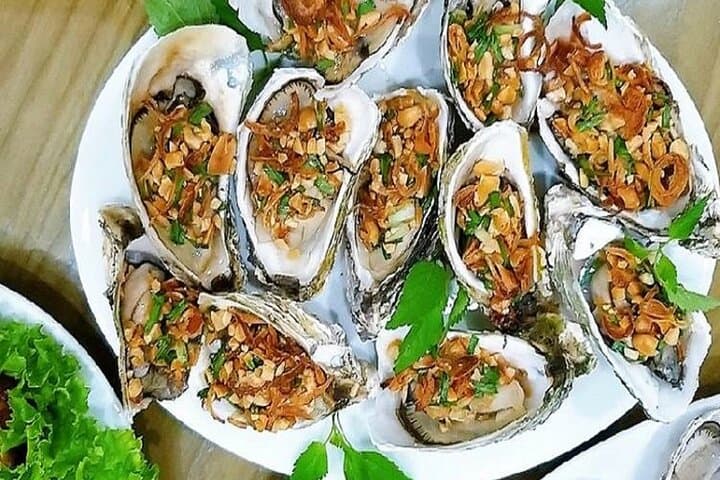
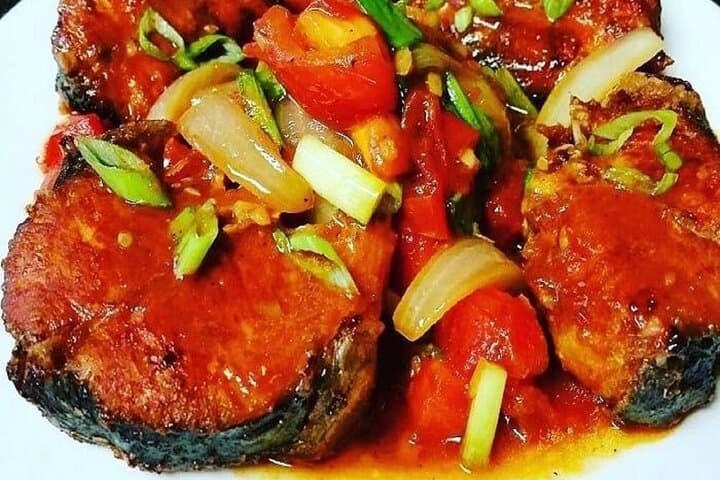
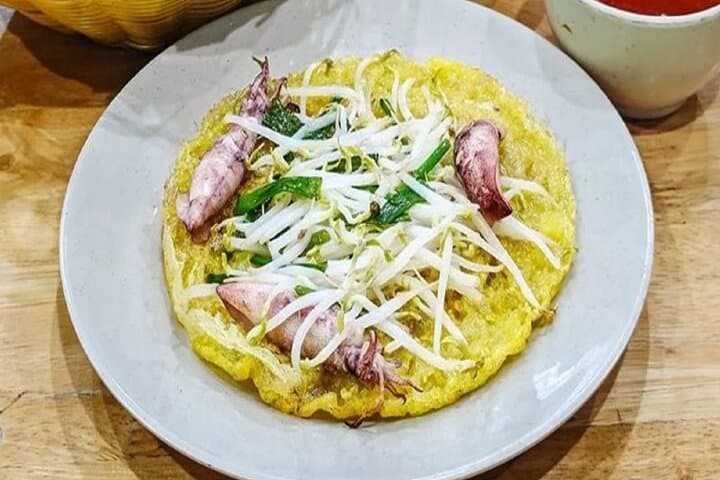
Back at a riverside kitchen framed by coconut palms and a slow-moving canal, you step into the rhythm of central Vietnamese seafood cooking. The instructor guides a small group through selecting banana flower for salad, shredding batter for crispy pancakes with squid, and coaxing smoky sweetness from grilled oysters with peanut sauce. Local techniques—lemongrass steaming, gentle sautéing of tuna, and handling delicate clams—are taught with practical tips and hands-on pacing.
Hoi An’s cuisine reflects trading histories: Cham seafarers, Chinese merchants and Vietnamese river communities shaped the region’s seafood method. The area’s sand and limestone shelves offshore support abundant shellfish; seasonal currents from Cham Island concentrate plankton-rich waters that feed the day’s haul.
Practicalities: classes run about four hours, include tasting, bottled water and one-way pickup from Da Nang or Hoi An (option-dependent). Come in closed-toe shoes for the market, bring a hat and sunscreen for the transfer, and flag allergies ahead of time. Expect standing, basic knife work, and a relaxed, hands-on tempo — an ideal way to learn market-to-plate seafood skills and leave with recipes, full belly and a clearer sense of central Vietnam’s coastal foodways.
easy.
3–4 hours.
Light activity—comfortable standing, some chopping and minor lifting; suitable for most fitness levels
No—chefs guide every step from market selection to plating; basic knife skills help but aren’t required.
One-way pickup from Da Nang or Hoi An is included depending on the option you choose—confirm pickup point when booking.
Yes—inform the operator when booking so they can adjust dishes; seafood-heavy menus may be swapped for other ingredients where feasible.
Yes—recipes and hands-on instruction are provided so you can recreate dishes after the class.
Hoi An’s coastal cuisine evolved from Cham maritime trade and centuries of Chinese and Southeast Asian exchange; local methods emphasize simple, fresh ingredients from nearby bays and rivers.
Support operators that source from local fishers using selective gear; avoid ordering species known to be overfished and ask chefs about sourcing and seasonality.
Hung Le Travel-The Local Signature operates guided outdoor trips and adventures with an emphasis on safety, stewardship, and memorable experiences.
A low-slung wooden boat slips into the morning light on the Thu Bon’s tributaries and you move with purpose through a market still warm from the night’s catch. The class begins not behind the stoves but at the fishmonger’s stand: prawns, squid and oysters glinting with Cham Island clarity as the chef shows you how to judge freshness by scent, texture and color.
A low-slung wooden boat slips into the morning light on the Thu Bon’s tributaries and you move with purpose through a market still warm from the night’s catch. The class begins not behind the stoves but at the fishmonger’s stand: prawns, squid and oysters glinting with Cham Island clarity as the chef shows you how to judge freshness by scent, texture and color.
Back at a riverside kitchen framed by coconut palms and a slow-moving canal, you step into the rhythm of central Vietnamese seafood cooking. The instructor guides a small group through selecting banana flower for salad, shredding batter for crispy pancakes with squid, and coaxing smoky sweetness from grilled oysters with peanut sauce. Local techniques—lemongrass steaming, gentle sautéing of tuna, and handling delicate clams—are taught with practical tips and hands-on pacing.
Hoi An’s cuisine reflects trading histories: Cham seafarers, Chinese merchants and Vietnamese river communities shaped the region’s seafood method. The area’s sand and limestone shelves offshore support abundant shellfish; seasonal currents from Cham Island concentrate plankton-rich waters that feed the day’s haul.
Practicalities: classes run about four hours, include tasting, bottled water and one-way pickup from Da Nang or Hoi An (option-dependent). Come in closed-toe shoes for the market, bring a hat and sunscreen for the transfer, and flag allergies ahead of time. Expect standing, basic knife work, and a relaxed, hands-on tempo — an ideal way to learn market-to-plate seafood skills and leave with recipes, full belly and a clearer sense of central Vietnam’s coastal foodways.