THE ADVENTURE COLLECTIVE® · Independent discovery and booking for outdoor travel

Learn to cook classic Vietnamese dishes straight from the garden at Caman Village. This 2–4 hour hands-on class combines herb harvesting, traditional techniques, and local food history just outside Hoi An.
Learn to cook classic Vietnamese dishes straight from the garden at Caman Village. This 2–4 hour hands-on class combines herb harvesting, traditional techniques, and local food history just outside Hoi An.
The morning light in Caman Village arrives soft on raised beds and herb rows, steam rising from a clay pot as a chef sharpens a knife. Participants step from a shaded lane into an open, airy garden where lemongrass and Thai basil scent the air and a local guide explains which leaves add brightness to cao lầu and to canh chua.
Verified experiences and guided adventures in the surrounding area.
Operated by Caman Village Organic Garden · Hoi An, Quang Nam
The morning light in Caman Village arrives soft on raised beds and herb rows, steam rising from a clay pot as a chef sharpens a knife. Participants step from a shaded lane into an open, airy garden where lemongrass and Thai basil scent the air and a local guide explains which leaves add brightness to cao lầu and to canh chua.
Caman sits on the low coastal plain outside historic Hoi An, an area shaped by river sediment and centuries of rice cultivation. Once part of the town’s broader trading hinterland, the village keeps agricultural traditions alive: raised beds, seasonal rice paddies, and a culture of shared meals. The cooking class pairs that history with hands-on practice—guests harvest herbs, learn how family recipes balance sour and sweet, and make herbal drinks from plants grown on-site.
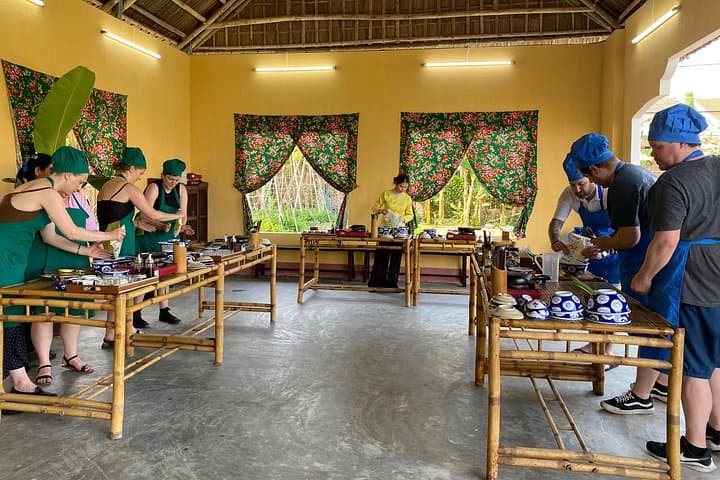
Expect practical instruction: a short garden walk, a demonstration of knife and wok techniques, and guided cooking of three to four dishes with a chef watching each step. The experience blends sensory learning (touching fish sauce, smelling toasted coriander) with cultural context—why certain herbs are used medicinally and how markets supply Hoi An kitchens.
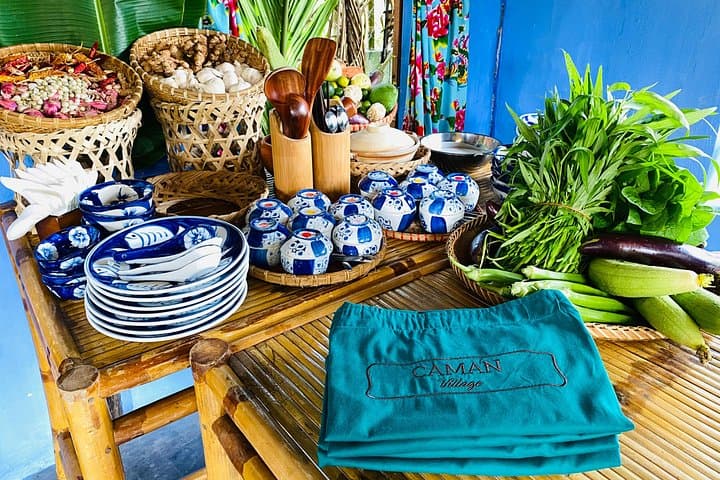
For planners: wear closed-toe shoes and lightweight layers, bring sun protection, and allow 2–4 hours for the full program. The site is wheelchair accessible and offers a welcome drink, apron, and recipe booklet to take home. The class is ideal for curious cooks and travelers who want a grounded, active taste of central Vietnam’s foodways.
easy.
2–4 hours.
Light activity; suitable for most fitness levels with short walks and standing during cooking
The program runs about 2–4 hours depending on the itinerary and number of dishes prepared.
Yes—areas are stroller- and wheelchair-accessible, though some garden paths may be uneven.
Yes; inform the operator when booking so they can prepare appropriate ingredients and substitutions.
Instruction is provided in English and Vietnamese, with staff available to explain cultural context and techniques.
Caman Village is part of the Hoi An region’s long agricultural network that supported the town’s historic trading port; local foodways reflect rice-farming and riverine resources.
The site emphasizes organic cultivation and low-impact practices; visitors are encouraged to minimize waste and respect plant beds while harvesting.
Caman Village Organic Garden operates guided outdoor trips and adventures with an emphasis on safety, stewardship, and memorable experiences.
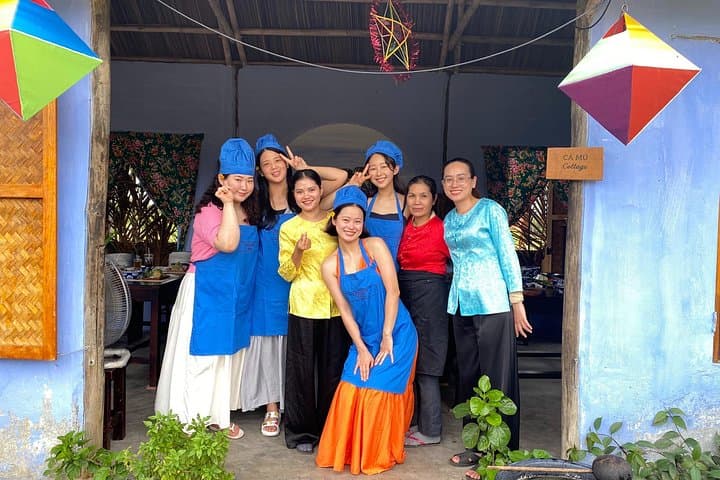
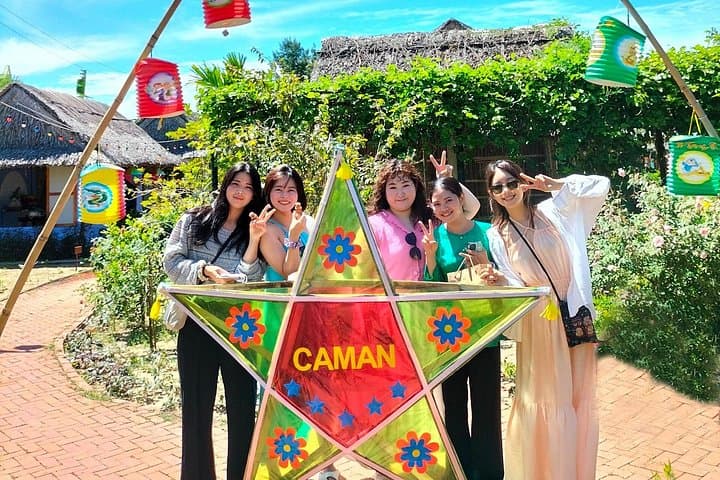
The morning light in Caman Village arrives soft on raised beds and herb rows, steam rising from a clay pot as a chef sharpens a knife. Participants step from a shaded lane into an open, airy garden where lemongrass and Thai basil scent the air and a local guide explains which leaves add brightness to cao lầu and to canh chua.
The morning light in Caman Village arrives soft on raised beds and herb rows, steam rising from a clay pot as a chef sharpens a knife. Participants step from a shaded lane into an open, airy garden where lemongrass and Thai basil scent the air and a local guide explains which leaves add brightness to cao lầu and to canh chua.
Caman sits on the low coastal plain outside historic Hoi An, an area shaped by river sediment and centuries of rice cultivation. Once part of the town’s broader trading hinterland, the village keeps agricultural traditions alive: raised beds, seasonal rice paddies, and a culture of shared meals. The cooking class pairs that history with hands-on practice—guests harvest herbs, learn how family recipes balance sour and sweet, and make herbal drinks from plants grown on-site.
Expect practical instruction: a short garden walk, a demonstration of knife and wok techniques, and guided cooking of three to four dishes with a chef watching each step. The experience blends sensory learning (touching fish sauce, smelling toasted coriander) with cultural context—why certain herbs are used medicinally and how markets supply Hoi An kitchens.
For planners: wear closed-toe shoes and lightweight layers, bring sun protection, and allow 2–4 hours for the full program. The site is wheelchair accessible and offers a welcome drink, apron, and recipe booklet to take home. The class is ideal for curious cooks and travelers who want a grounded, active taste of central Vietnam’s foodways.