THE ADVENTURE COLLECTIVE® · Independent discovery and booking for outdoor travel

Step ashore for a private eight-hour tour that pairs Hoi An’s atmospheric Old Town with the caves and quarries of the Marble Mountains. This shore excursion combines history, craft workshops and coastal geology with local food and guided walks.
Step ashore for a private eight-hour tour that pairs Hoi An’s atmospheric Old Town with the caves and quarries of the Marble Mountains. This shore excursion combines history, craft workshops and coastal geology with local food and guided walks.
You step off the ship into warm sea air and a ribbon of coastal highway that peels away toward a town of yellow houses and paper lanterns. The Thu Bon River moves like a living rope through Hoi An’s Old Town, boats nudging market stalls while a guide points out wooden shopfronts and narrow lanes where trades from China, Japan and Europe once met.
Verified experiences and guided adventures in the surrounding area.
Operated by Bravo Indochina Tours · Hoi An, Quang Nam
You step off the ship into warm sea air and a ribbon of coastal highway that peels away toward a town of yellow houses and paper lanterns. The Thu Bon River moves like a living rope through Hoi An’s Old Town, boats nudging market stalls while a guide points out wooden shopfronts and narrow lanes where trades from China, Japan and Europe once met.
Hoi An’s streets are living archives of a 15th–19th century trading port: Chinese assembly halls, the Japanese Covered Bridge and low-roofed merchant homes that survived colonial change. North, the Marble Mountains rise — five limestone and marble peaks shaped by tectonics and centuries of quarrying, with caves and Buddhist shrines carved into stone. The Cham Museum in Da Nang preserves sandstone reliefs from the Champa kingdom that once ruled these coasts.
Expect about eight hours of easy paced sightseeing: guided walks on cobbled streets, a riverside lunch at a local restaurant, time to browse tailors and craft shops, then a climb of roughly 150 stone steps at Thuy Son for views and grottoes. Non Nuoc’s quarries and the beach are visible en route.
Practical notes: wear comfortable walking shoes and sun protection, carry small-denomination Vietnamese dong for market purchases, and be prepared for humid conditions. The itinerary includes private transport, an English-speaking guide, port permission and lunch; passports are required for booking. Aim to arrive with a charged phone and light layers — the day alternates between sunlit streets and shadowed caves.
easy.
8 hours.
Suitable for travelers in average fitness: short walks on cobbles and one moderate stair climb at Marble Mountains.
Yes — private air-conditioned transport is included for pick-up and return to Tien Sa or Chan May Port as part of the excursion.
The itinerary lists admission to key sites and a local restaurant lunch as included; confirm any extra optional activities with the guide on the day.
Expect easy walking through Hoi An’s Old Town and market alleys plus a climb of about 150 stone steps at Marble Mountains; pace is relaxed and suitable for most people.
Many tailors can take orders quickly, but same-day tailoring depends on the garment and tailor’s schedule — bring clear photos and allow extra time if needed.
Hoi An flourished as a multinational trading port from the 15th to 19th centuries, while the Cham kingdom’s carved stonework is preserved at Da Nang’s Cham Museum.
Hoi An’s Old Town is a UNESCO World Heritage Site with visitor management measures; respect protected buildings, avoid littering, and limit single-use plastics to reduce tourism impact.
Bravo Indochina Tours operates guided outdoor trips and adventures with an emphasis on safety, stewardship, and memorable experiences.
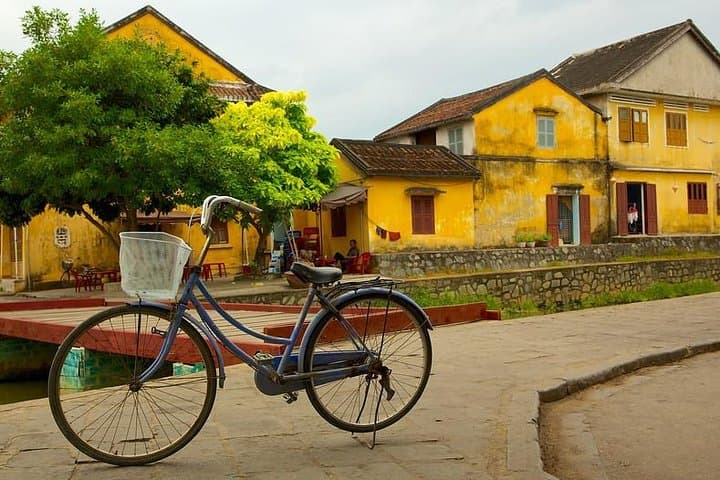
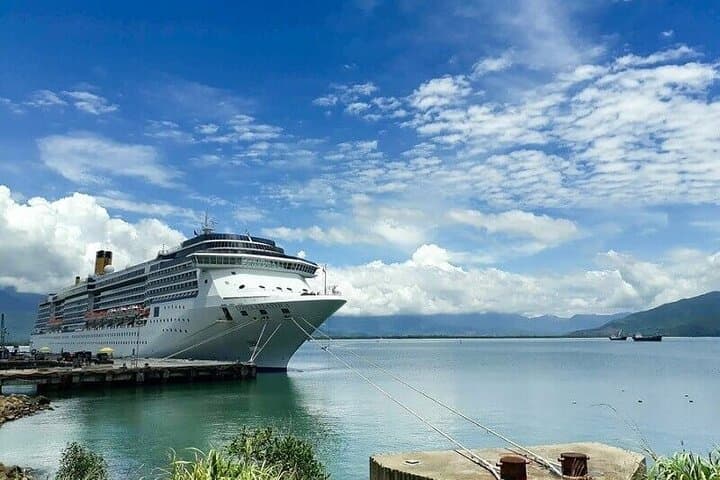
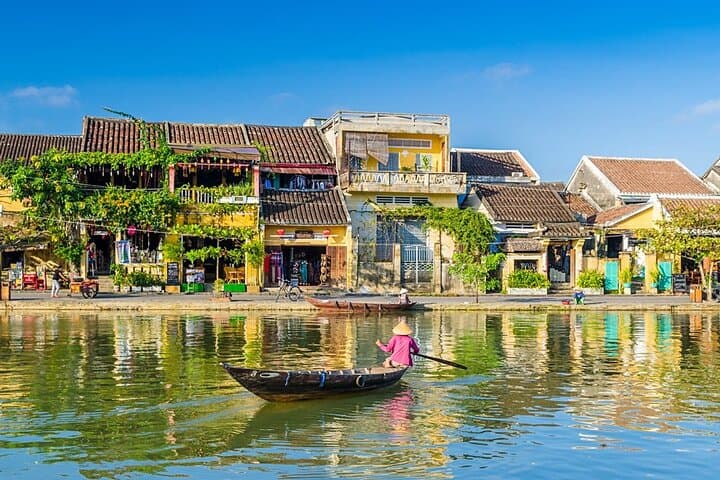
You step off the ship into warm sea air and a ribbon of coastal highway that peels away toward a town of yellow houses and paper lanterns. The Thu Bon River moves like a living rope through Hoi An’s Old Town, boats nudging market stalls while a guide points out wooden shopfronts and narrow lanes where trades from China, Japan and Europe once met.
You step off the ship into warm sea air and a ribbon of coastal highway that peels away toward a town of yellow houses and paper lanterns. The Thu Bon River moves like a living rope through Hoi An’s Old Town, boats nudging market stalls while a guide points out wooden shopfronts and narrow lanes where trades from China, Japan and Europe once met.
Hoi An’s streets are living archives of a 15th–19th century trading port: Chinese assembly halls, the Japanese Covered Bridge and low-roofed merchant homes that survived colonial change. North, the Marble Mountains rise — five limestone and marble peaks shaped by tectonics and centuries of quarrying, with caves and Buddhist shrines carved into stone. The Cham Museum in Da Nang preserves sandstone reliefs from the Champa kingdom that once ruled these coasts.
Expect about eight hours of easy paced sightseeing: guided walks on cobbled streets, a riverside lunch at a local restaurant, time to browse tailors and craft shops, then a climb of roughly 150 stone steps at Thuy Son for views and grottoes. Non Nuoc’s quarries and the beach are visible en route.
Practical notes: wear comfortable walking shoes and sun protection, carry small-denomination Vietnamese dong for market purchases, and be prepared for humid conditions. The itinerary includes private transport, an English-speaking guide, port permission and lunch; passports are required for booking. Aim to arrive with a charged phone and light layers — the day alternates between sunlit streets and shadowed caves.