THE ADVENTURE COLLECTIVE® · Independent discovery and booking for outdoor travel

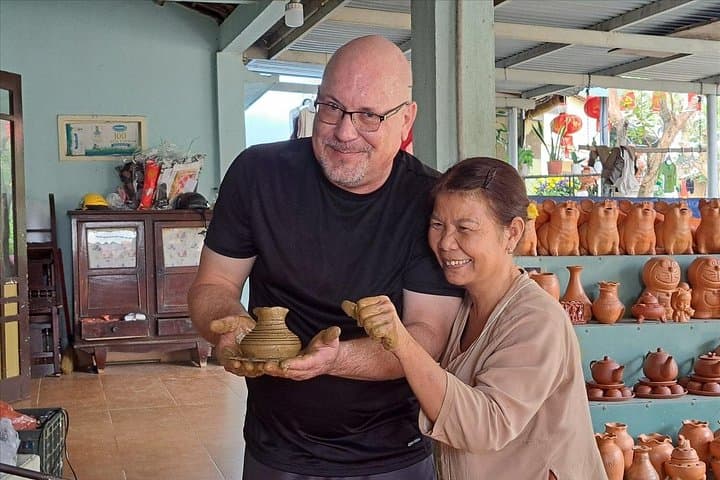
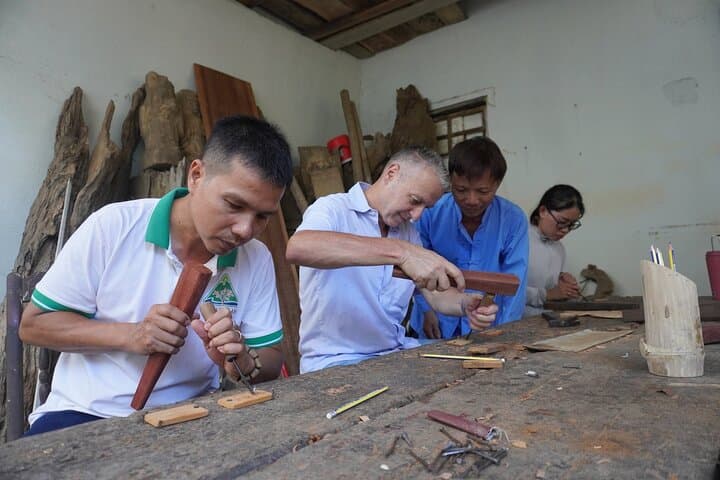
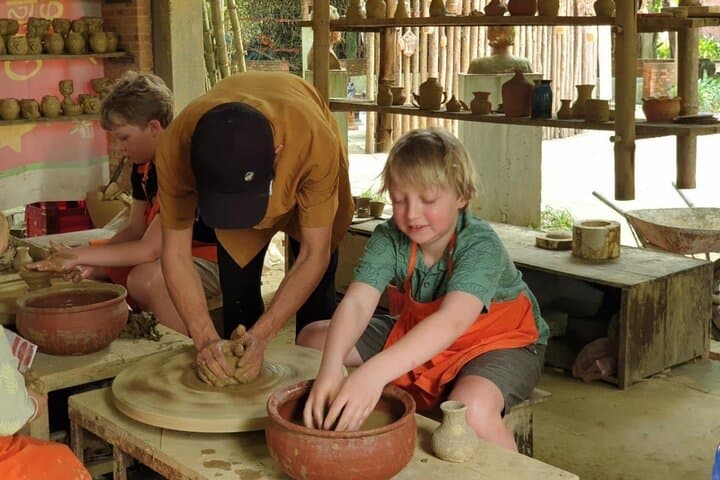
Experience three of Hoi An’s living craft villages in one compact day: make clay cups in Thanh Ha, watch chisels carve at Kim Bong, and get your hands dirty at Tra Que’s organic gardens. This guided tour mixes hands-on activities with cultural context and a local lunch.
Experience three of Hoi An’s living craft villages in one compact day: make clay cups in Thanh Ha, watch chisels carve at Kim Bong, and get your hands dirty at Tra Que’s organic gardens. This guided tour mixes hands-on activities with cultural context and a local lunch.
You step off the minivan into a spread of low-roofed workshops and the dry ring of pottery against wood. Dust and river air mix as Thanh Ha’s kilns pulse with centuries of practice, then the soundscape shifts to chisels and sawdust in Kim Bong, and finally the scent of wet soil and herbs rises in Tra Que’s fields. The day moves at the pace of craft: deliberate, skillful, and tactile.
Verified experiences and guided adventures in the surrounding area.
Operated by Authentic MAI CHAU · Hoi An, Quang Nam
You step off the minivan into a spread of low-roofed workshops and the dry ring of pottery against wood. Dust and river air mix as Thanh Ha’s kilns pulse with centuries of practice, then the soundscape shifts to chisels and sawdust in Kim Bong, and finally the scent of wet soil and herbs rises in Tra Que’s fields. The day moves at the pace of craft: deliberate, skillful, and tactile.
Thanh Ha Pottery Village keeps centuries-old wheel and kiln methods alive; its clay beds are geologically tied to the Thu Bon River’s alluvial deposits. Kim Bong Carpentry grew where timber floated easily to the banks—its ornate furniture reflects both local Cham influence and Vietnamese coastal design. Tra Que Vegetable Village, with 300+ years of small-scale organic gardening, demonstrates a living cultural practice of crop rotation and natural fertilizers.
Practical guidance: expect light walking, a short hands-on pottery or carving intro, and a chance to try Tra Que’s farming tasks while wearing provided uniforms. Bring cash for small purchases and export paperwork if shipping wood products. Mornings are cooler and photography is best with soft light; midday can be hot and humid.
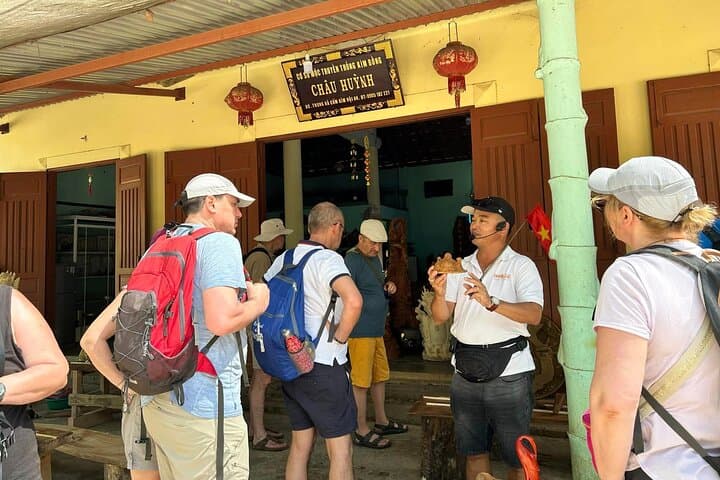
Logistics: the tour lasts about four hours and commonly includes hotel pickup in Hoi An, bottled water, entrance fees, lunch at a local homestyle restaurant, and an English-speaking guide. Wear closed-toe shoes for workshops, sun protection for the fields, and a compact bag for purchases. The route rewards curiosity—ask to see kilns, carved joinery, and the herb beds; artisans appreciate polite interest and clear photos permission.
easy.
4 hours.
Suitable for most fitness levels—light walking and short bicycle rides; no sustained exertion.
Yes—hotel pickup in Hoi An, entrance fees, bottled water, and a set-menu lunch at a Tra Que restaurant are typically included.
Yes—many carpenters accept orders and can arrange shipping; bring measurements, and expect paperwork and extra costs for export.
Yes—the tour is rated easy; hands-on tasks are adaptable, but those with mobility issues should notify the operator in advance.
No—artisans provide basic instruction so visitors can try pottery, carving demos, and simple farm chores safely.
These villages formed around the Thu Bon River trade routes; Thanh Ha pottery and Kim Bong carpentry rose from materials and markets tied to Hoi An’s historic port.
Tra Que maintains organic methods and community-based irrigation—visitors should avoid stepping on beds and take litter with them to support sustainable farming practices.
Authentic MAI CHAU operates guided outdoor trips and adventures with an emphasis on safety, stewardship, and memorable experiences.
You step off the minivan into a spread of low-roofed workshops and the dry ring of pottery against wood. Dust and river air mix as Thanh Ha’s kilns pulse with centuries of practice, then the soundscape shifts to chisels and sawdust in Kim Bong, and finally the scent of wet soil and herbs rises in Tra Que’s fields. The day moves at the pace of craft: deliberate, skillful, and tactile.
You step off the minivan into a spread of low-roofed workshops and the dry ring of pottery against wood. Dust and river air mix as Thanh Ha’s kilns pulse with centuries of practice, then the soundscape shifts to chisels and sawdust in Kim Bong, and finally the scent of wet soil and herbs rises in Tra Que’s fields. The day moves at the pace of craft: deliberate, skillful, and tactile.
Thanh Ha Pottery Village keeps centuries-old wheel and kiln methods alive; its clay beds are geologically tied to the Thu Bon River’s alluvial deposits. Kim Bong Carpentry grew where timber floated easily to the banks—its ornate furniture reflects both local Cham influence and Vietnamese coastal design. Tra Que Vegetable Village, with 300+ years of small-scale organic gardening, demonstrates a living cultural practice of crop rotation and natural fertilizers.
Practical guidance: expect light walking, a short hands-on pottery or carving intro, and a chance to try Tra Que’s farming tasks while wearing provided uniforms. Bring cash for small purchases and export paperwork if shipping wood products. Mornings are cooler and photography is best with soft light; midday can be hot and humid.
Logistics: the tour lasts about four hours and commonly includes hotel pickup in Hoi An, bottled water, entrance fees, lunch at a local homestyle restaurant, and an English-speaking guide. Wear closed-toe shoes for workshops, sun protection for the fields, and a compact bag for purchases. The route rewards curiosity—ask to see kilns, carved joinery, and the herb beds; artisans appreciate polite interest and clear photos permission.