THE ADVENTURE COLLECTIVE® · Independent discovery and booking for outdoor travel

Pedal out of Hoi An’s old town into rice paddies, learn village farming techniques, then cook and eat three Vietnamese dishes with local chefs. This compact half-day mixes easy cycling with hands-on culture and a relaxed lunch.
Pedal out of Hoi An’s old town into rice paddies, learn village farming techniques, then cook and eat three Vietnamese dishes with local chefs. This compact half-day mixes easy cycling with hands-on culture and a relaxed lunch.
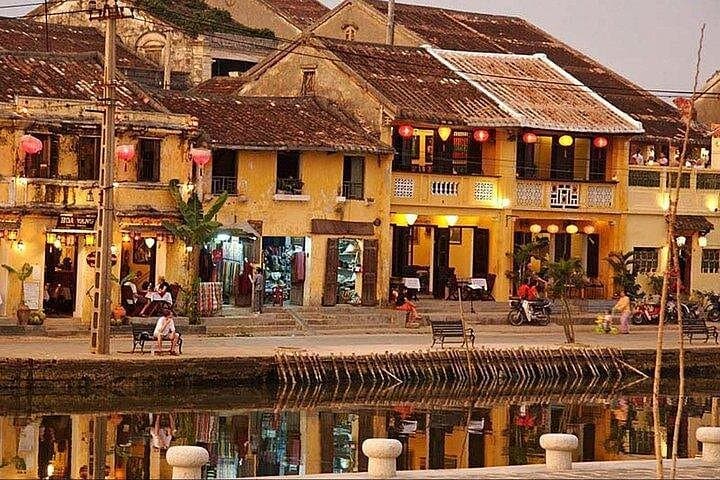
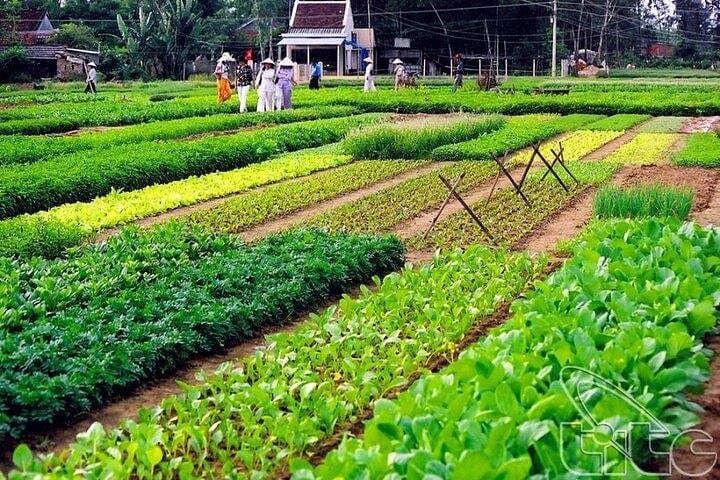
Morning light catches the cracked plaster of old houses as you pedal away from Hoi An’s lantern-lined streets and into a flat, green grid of rice fields. Farmers wave from low-walled channels; a narrow river dares you to follow its slow curve toward the South China Sea. The ride is deliberately unhurried—wheels hum, chickens scatter, and a local guide steers the group toward a vegetable garden where soil and season dictate the day’s lessons.
Verified experiences and guided adventures in the surrounding area.
Operated by Vietnam Tour Tailor Company · Hoi An, Quang Nam
Morning light catches the cracked plaster of old houses as you pedal away from Hoi An’s lantern-lined streets and into a flat, green grid of rice fields. Farmers wave from low-walled channels; a narrow river dares you to follow its slow curve toward the South China Sea. The ride is deliberately unhurried—wheels hum, chickens scatter, and a local guide steers the group toward a vegetable garden where soil and season dictate the day’s lessons.
Hoi An’s history as a 15th–19th century trading port is written in its architecture and in the mix of Cham, Chinese and Japanese influences that shaped local recipes. Geologically the area sits on the Thu Bon River plain—fertile alluvium that keeps the paddies low and the riding easy. The cooking portion centers on regional staples: fresh herbs from Tra Que village, fish sauce-based marinades, and simple techniques that reveal why Vietnamese dishes emphasize balance and freshness.
Practical side: expect roughly 10–15 km of mostly flat cycling on quiet village lanes and some packed dirt, minimal elevation gain, and stops for farming demonstrations and a hands-on lesson to prepare three dishes followed by lunch. The group size is small and the tour includes hotel pickup, bicycle use and a lunch. Bring sun protection, modest footwear for kitchen and field work, and a lightweight bag for valuables.
This half-day loop is ideal for travelers who want low-impact activity paired with cultural immersion—equal parts pedal stroke and wok flip.
moderate.
3–4 hours.
Suitable for travelers with moderate fitness; you should be comfortable cycling 10–15 km on flat terrain and doing short farm tasks.
No advanced skills required—this is a gentle ride on flat village roads, but you should be comfortable riding a standard city bike for 10–15 km.
Yes, the tour includes hotel pickup from central Hoi An; confirm your pickup point and time when you book.
Most operators can handle common dietary needs if notified in advance—list restrictions when booking so they can adjust the cooking class and lunch.
The operator may cancel for heavy rain; their policy allows full refund if you cancel at least 24 hours prior or if the tour is called off for safety.
Hoi An was a key Southeast Asian trading port from the 15th to 19th centuries, blending Chinese, Japanese and European influences that shaped its cuisine and architecture.
Local farms often use community-driven practices to preserve soil and reduce pesticide use; travelers can support sustainability by avoiding single-use plastics and respecting crop areas.
Vietnam Tour Tailor Company operates guided outdoor trips and adventures with an emphasis on safety, stewardship, and memorable experiences.
Morning light catches the cracked plaster of old houses as you pedal away from Hoi An’s lantern-lined streets and into a flat, green grid of rice fields. Farmers wave from low-walled channels; a narrow river dares you to follow its slow curve toward the South China Sea. The ride is deliberately unhurried—wheels hum, chickens scatter, and a local guide steers the group toward a vegetable garden where soil and season dictate the day’s lessons.
Morning light catches the cracked plaster of old houses as you pedal away from Hoi An’s lantern-lined streets and into a flat, green grid of rice fields. Farmers wave from low-walled channels; a narrow river dares you to follow its slow curve toward the South China Sea. The ride is deliberately unhurried—wheels hum, chickens scatter, and a local guide steers the group toward a vegetable garden where soil and season dictate the day’s lessons.
Hoi An’s history as a 15th–19th century trading port is written in its architecture and in the mix of Cham, Chinese and Japanese influences that shaped local recipes. Geologically the area sits on the Thu Bon River plain—fertile alluvium that keeps the paddies low and the riding easy. The cooking portion centers on regional staples: fresh herbs from Tra Que village, fish sauce-based marinades, and simple techniques that reveal why Vietnamese dishes emphasize balance and freshness.
Practical side: expect roughly 10–15 km of mostly flat cycling on quiet village lanes and some packed dirt, minimal elevation gain, and stops for farming demonstrations and a hands-on lesson to prepare three dishes followed by lunch. The group size is small and the tour includes hotel pickup, bicycle use and a lunch. Bring sun protection, modest footwear for kitchen and field work, and a lightweight bag for valuables.
This half-day loop is ideal for travelers who want low-impact activity paired with cultural immersion—equal parts pedal stroke and wok flip.