THE ADVENTURE COLLECTIVE® · Independent discovery and booking for outdoor travel

Spend a day between Tra Que’s mint beds and Hoi An’s lantern-lit alleys — learn hands-on Vietnamese cooking, eat what you make, and unwind with a herb foot massage. Practical, sensory, and suited to travelers who like active cultural experiences.
Spend a day between Tra Que’s mint beds and Hoi An’s lantern-lit alleys — learn hands-on Vietnamese cooking, eat what you make, and unwind with a herb foot massage. Practical, sensory, and suited to travelers who like active cultural experiences.
You step off the shaded lane and the river seems to dare you to slow down — lantern-lit houses lean toward the water while a gentle breeze pushes the lemon grass in Tra Que to whisper its scent into the air.
Verified experiences and guided adventures in the surrounding area.
Operated by My son Private Tours · Hoi An, Quang Nam
You step off the shaded lane and the river seems to dare you to slow down — lantern-lit houses lean toward the water while a gentle breeze pushes the lemon grass in Tra Que to whisper its scent into the air.
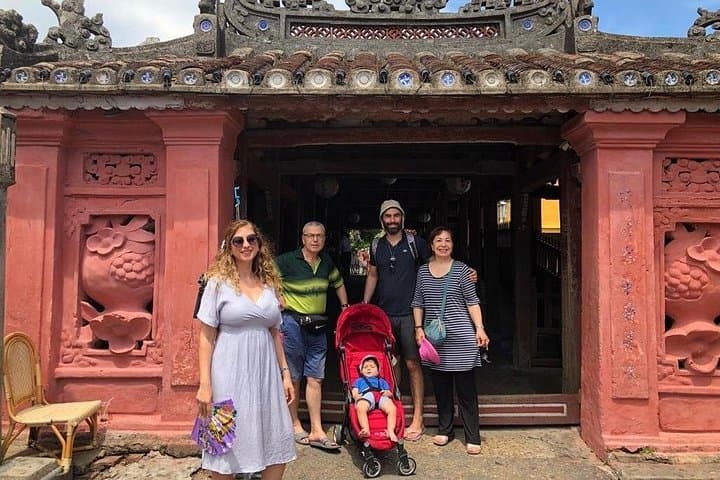
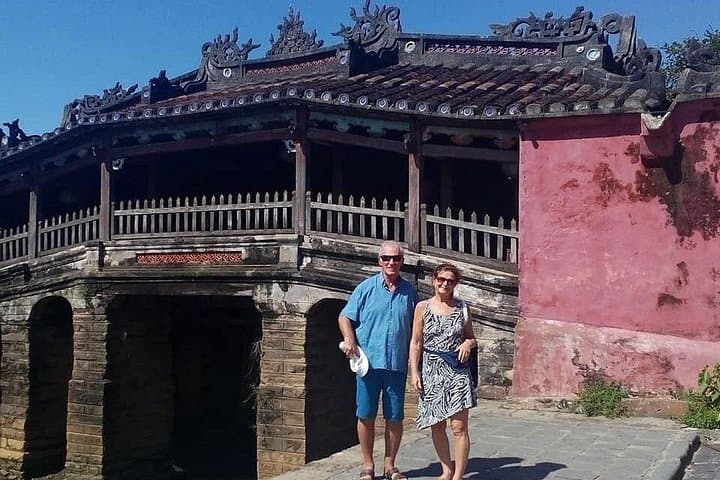
This full-day tour threads two faces of central Vietnam: Hoi An’s compact, centuries-old merchant quarter and the low, tidy fields of Tra Que, an organic herb village that has supplied the town’s kitchens for generations. Hoi An grew as an international port from the 15th–19th centuries; the Japanese Bridge and timbered merchant homes show timber-and-tile layers of Chinese, Japanese and Vietnamese influence. Geologically the area sits on the coastal plain below the Annamite foothills, giving sandy soils ideal for the herb beds and tidal waterways that feed the town’s old trading routes.
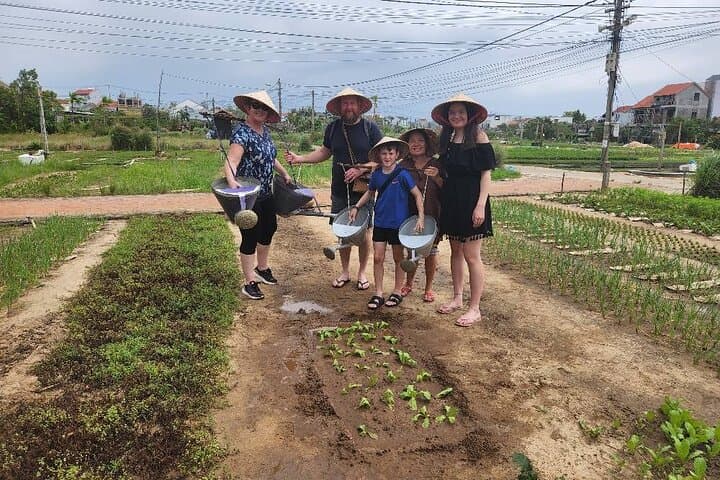
In Tra Que you work the soil, smell mint and basil, and learn simple technique: rice-pancake batter, wrapping fresh spring rolls, and grilling fish in banana leaf. A home-cooked meal follows, and a short herbal foot massage uses garden-sourced leaves to clear the day’s dust.
Practicalities: pick-up from Hoi An or Da Nang, six hours total, gentle walking on village paths and paved streets. Bring sun protection, cash for souvenirs, and modest footwear suited to damp soil. Expect English-speaking guides, bottled water, and a private car transfer.
This is an accessible mix of hands-on cooking, light agritourism, and cultural walking that suits travelers who want taste, technique, and a quieter side of Hoi An beyond the lanterns.
easy.
6 hours.
Suitable for most fitness levels; involves light walking, standing during cooking and basic garden tasks
Yes — the tour includes private car pick-up and drop-off from hotels in Hoi An or Da Nang.
Yes — the program is family-friendly; children should be supervised during food prep and near open flames.
Inform the operator at booking about allergies or diet preferences so the home kitchen can modify dishes.
Expect light walking on flat village paths and paved streets plus standing during cooking; there are no steep hikes.
Hoi An flourished as an international trading port from the 15th to 19th centuries; many merchant houses and the covered Japanese Bridge remain as preserved reminders of that era.
Tra Que is known for organic, small-scale farming practices; travelers are encouraged to respect planted beds and avoid trampling, and to support local families directly.
My son Private Tours operates guided outdoor trips and adventures with an emphasis on safety, stewardship, and memorable experiences.
You step off the shaded lane and the river seems to dare you to slow down — lantern-lit houses lean toward the water while a gentle breeze pushes the lemon grass in Tra Que to whisper its scent into the air.
You step off the shaded lane and the river seems to dare you to slow down — lantern-lit houses lean toward the water while a gentle breeze pushes the lemon grass in Tra Que to whisper its scent into the air.
This full-day tour threads two faces of central Vietnam: Hoi An’s compact, centuries-old merchant quarter and the low, tidy fields of Tra Que, an organic herb village that has supplied the town’s kitchens for generations. Hoi An grew as an international port from the 15th–19th centuries; the Japanese Bridge and timbered merchant homes show timber-and-tile layers of Chinese, Japanese and Vietnamese influence. Geologically the area sits on the coastal plain below the Annamite foothills, giving sandy soils ideal for the herb beds and tidal waterways that feed the town’s old trading routes.
In Tra Que you work the soil, smell mint and basil, and learn simple technique: rice-pancake batter, wrapping fresh spring rolls, and grilling fish in banana leaf. A home-cooked meal follows, and a short herbal foot massage uses garden-sourced leaves to clear the day’s dust.
Practicalities: pick-up from Hoi An or Da Nang, six hours total, gentle walking on village paths and paved streets. Bring sun protection, cash for souvenirs, and modest footwear suited to damp soil. Expect English-speaking guides, bottled water, and a private car transfer.
This is an accessible mix of hands-on cooking, light agritourism, and cultural walking that suits travelers who want taste, technique, and a quieter side of Hoi An beyond the lanterns.