THE ADVENTURE COLLECTIVE® · Independent discovery and booking for outdoor travel

Spend a half day exploring Hoi An’s working countryside: pottery at Thanh Ha, kitchen gardens at Tra Que, and the water‑lined palms of Bay Mau. This private tour combines short drives, hands‑on craft demonstrations, and time to wander village lanes.
Spend a half day exploring Hoi An’s working countryside: pottery at Thanh Ha, kitchen gardens at Tra Que, and the water‑lined palms of Bay Mau. This private tour combines short drives, hands‑on craft demonstrations, and time to wander village lanes.
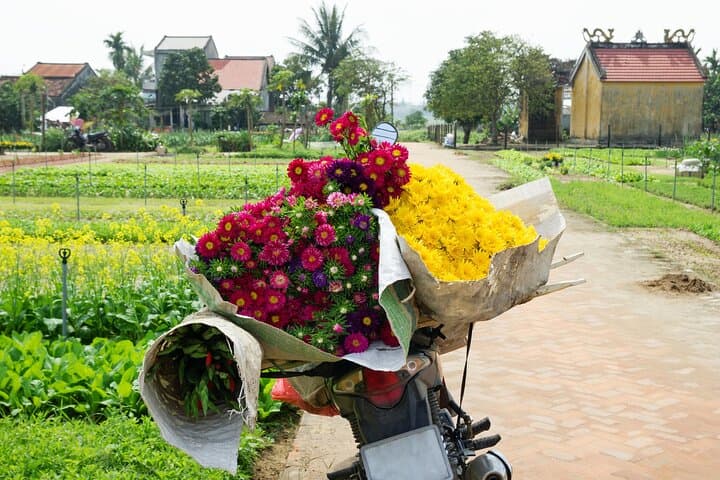
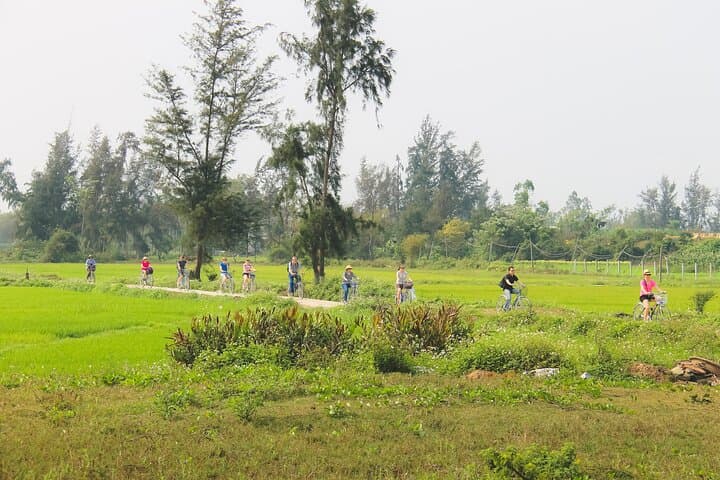
You step out of an air‑conditioned van and the countryside breathes differently here: a ribbon of muddy tracks, the sharp green of vegetable beds, and the distant clack of a pottery wheel. The tour moves deliberately—short drives between sites and slow, human-paced visits—so you absorb the rhythms of rural Hoi An rather than rush through postcard moments.
Verified experiences and guided adventures in the surrounding area.
Operated by taxiGo Limo Airport Service · Hoi An, Quang Nam
You step out of an air‑conditioned van and the countryside breathes differently here: a ribbon of muddy tracks, the sharp green of vegetable beds, and the distant clack of a pottery wheel. The tour moves deliberately—short drives between sites and slow, human-paced visits—so you absorb the rhythms of rural Hoi An rather than rush through postcard moments.
Thanh Ha Pottery Village shows clay worked by hand and kiln smoke that reflects centuries of craft; Tra Que’s gardens sit on flat, loamy soil fertilized by local seaweed and home to herbs used in Vietnamese cooking; Bay Mau’s coconut woodlands open onto narrow channels and small-scale aquaculture that have shaped livelihoods in Cam Thanh for generations. Geologically the area is coastal plain—low elevation, silted riverbanks, and alluvial soils that make it productive for market gardens.
Culturally this is working countryside: expect artisans, farmers, and boatmen who still use traditional methods. Local guides translate technique into context—why certain glazes persist, how crop rotations follow the tides, and where seasonal dishes draw their flavors.
Practical guidance: the full excursion is about 5–6 hours with roughly 15 minutes from most Hoi An hotels to start, then three 45–60 minute stops plus time to walk the village lanes and a two‑hour free window to explore. Terrain is flat but can be muddy after rain; wear closed shoes you don’t mind getting dusty, carry sun protection and a refillable water bottle, and budget cash for small purchases and tips. Mornings are cooler and light is better for photos; afternoons bring stronger sun and more local activity in the fields.
easy.
5–6 hours.
Suitable for most fitness levels—expect short walks on flat terrain and standing during demonstrations
The private tour is about 5–6 hours: hotel pickup, short drive to Thanh Ha (pottery), then Tra Que (vegetable gardens), Bay Mau coconut area, plus roughly two hours of free time to explore or walk back in town.
Yes—it's labeled easy and includes short, low‑impact walks; private transport and flexible pacing make it family and senior friendly.
The tour notes include transportation, guide service, and taxes; small purchases, food at local stalls, or optional activities may cost extra—bring cash.
Inform the operator when booking about dietary needs; local guides can often suggest or arrange suitable snacks or meal stops.
This coastal plain has supported pottery and wet‑field agriculture for centuries; Thanh Ha’s craft tradition predates modern Hoi An tourism and Tra Que’s gardens supply herbs used in regional cuisine.
Stick to established paths to avoid trampling crops and dispose of waste properly—small rural systems are sensitive to litter and single‑use plastics.
taxiGo Limo Airport Service operates guided outdoor trips and adventures with an emphasis on safety, stewardship, and memorable experiences.

You step out of an air‑conditioned van and the countryside breathes differently here: a ribbon of muddy tracks, the sharp green of vegetable beds, and the distant clack of a pottery wheel. The tour moves deliberately—short drives between sites and slow, human-paced visits—so you absorb the rhythms of rural Hoi An rather than rush through postcard moments.
You step out of an air‑conditioned van and the countryside breathes differently here: a ribbon of muddy tracks, the sharp green of vegetable beds, and the distant clack of a pottery wheel. The tour moves deliberately—short drives between sites and slow, human-paced visits—so you absorb the rhythms of rural Hoi An rather than rush through postcard moments.
Thanh Ha Pottery Village shows clay worked by hand and kiln smoke that reflects centuries of craft; Tra Que’s gardens sit on flat, loamy soil fertilized by local seaweed and home to herbs used in Vietnamese cooking; Bay Mau’s coconut woodlands open onto narrow channels and small-scale aquaculture that have shaped livelihoods in Cam Thanh for generations. Geologically the area is coastal plain—low elevation, silted riverbanks, and alluvial soils that make it productive for market gardens.
Culturally this is working countryside: expect artisans, farmers, and boatmen who still use traditional methods. Local guides translate technique into context—why certain glazes persist, how crop rotations follow the tides, and where seasonal dishes draw their flavors.
Practical guidance: the full excursion is about 5–6 hours with roughly 15 minutes from most Hoi An hotels to start, then three 45–60 minute stops plus time to walk the village lanes and a two‑hour free window to explore. Terrain is flat but can be muddy after rain; wear closed shoes you don’t mind getting dusty, carry sun protection and a refillable water bottle, and budget cash for small purchases and tips. Mornings are cooler and light is better for photos; afternoons bring stronger sun and more local activity in the fields.