THE ADVENTURE COLLECTIVE® · Independent discovery and booking for outdoor travel

Spend a day beyond Hoi An’s lantern-lit streets among vegetable gardens, basket boats and pottery kilns. This hands-on countryside tour blends farm work, traditional crafts and a paddle through the water coconut jungle.
Spend a day beyond Hoi An’s lantern-lit streets among vegetable gardens, basket boats and pottery kilns. This hands-on countryside tour blends farm work, traditional crafts and a paddle through the water coconut jungle.
The morning air tastes of wet earth and lemongrass as a minivan threads out from Hoi An toward low, watery fields. Salt-sweet seaweed lines farmer paths; water buffaloes stand like patient engines at the edge of rice paddies, and beyond them a palm fringe marks the start of the water coconut jungle.
Verified experiences and guided adventures in the surrounding area.
Operated by Golden Bridge Tour Da Nang · Hoi An, Quang Nam
The morning air tastes of wet earth and lemongrass as a minivan threads out from Hoi An toward low, watery fields. Salt-sweet seaweed lines farmer paths; water buffaloes stand like patient engines at the edge of rice paddies, and beyond them a palm fringe marks the start of the water coconut jungle.
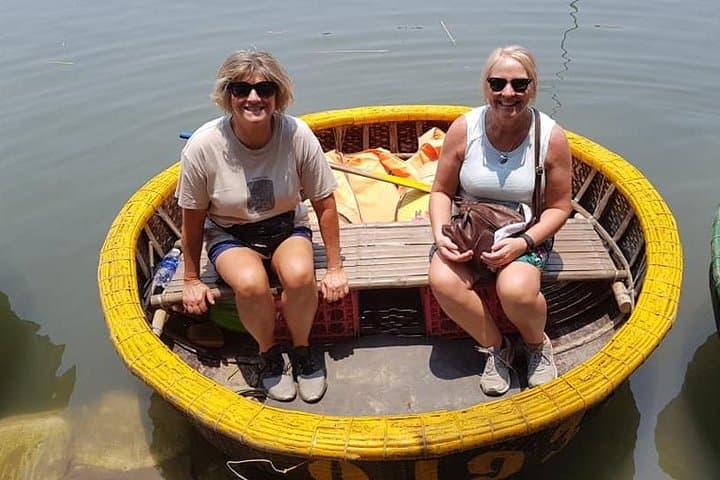
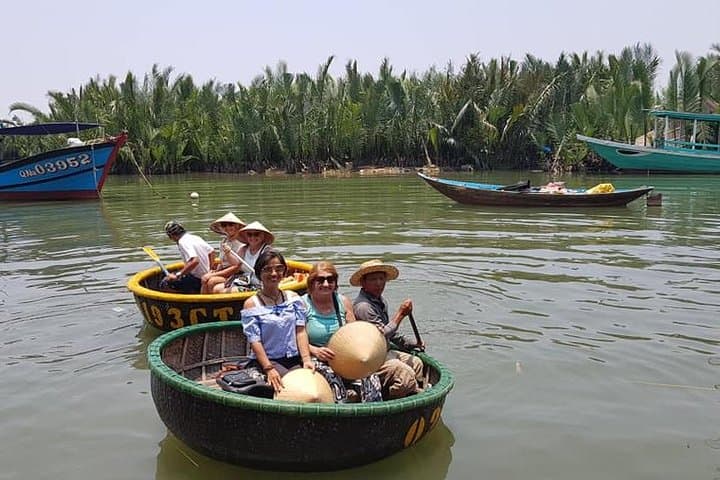
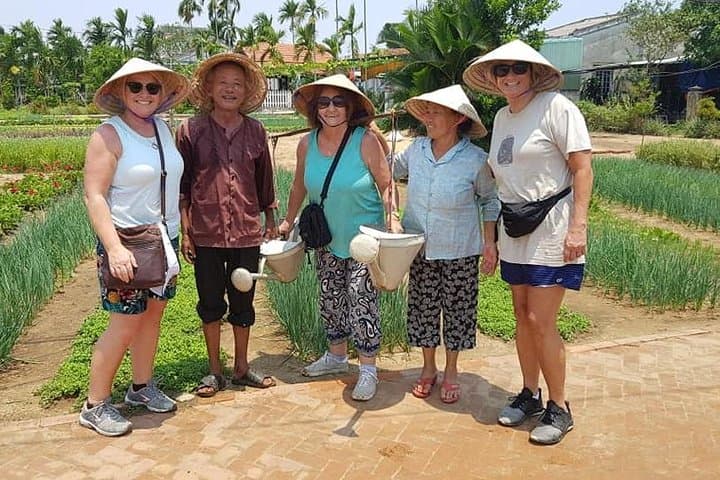
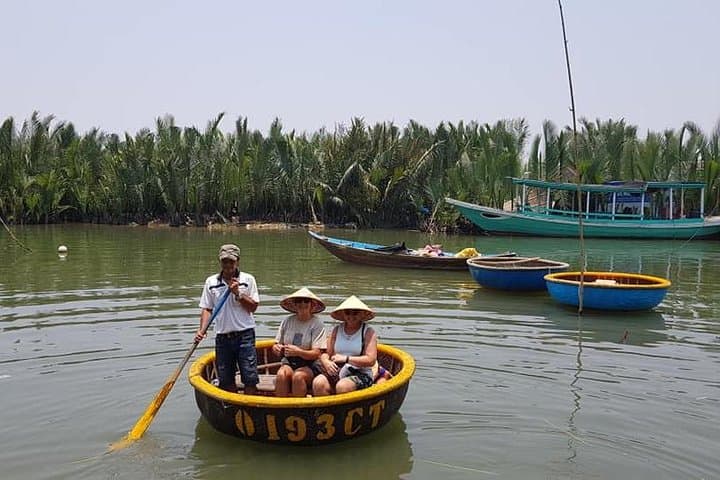
This full-day countryside tour moves through three distinct village skills: Tra Que’s small-scale organic gardens, Cam Thanh’s basket-boat channels, and Thanh Ha’s clay yards before the compact historic heart of Hoi An. Tra Que introduces traditional fertilizing with seaweed and hands-on planting; these soils reflect centuries of riverine sedimentation from the Thu Bồn River. Cam Thanh’s water palms were once refuge and supply during wartime and now shelter a network of channels where round bamboo boats glide and crab pots wait. Thanh Ha preserves age-old pottery techniques, kilns and hand-thrown forms that echo the town’s craft economy.
Expect dirt tracks, short wading sections near the mangrove fringe, and gentle, repetitive motion when you try pottery or boat rowing. Cultural cues: modest dress at family homes, small fees for local demonstrations support artisans, and bargaining is welcome but respectful in Hoi An’s market lanes.
Practical tips: arrive hydrated, wear grippy shoes that can get muddy, and bring small bills for tips and purchases. Timing matters—early light keeps fields cool and fishing activity high. By late afternoon the Japanese Covered Bridge and narrow streets return you to history and a slower rhythm before the drive back.
moderate.
6–8 hours.
Light-to-moderate fitness for short farm tasks, walking on uneven ground and sitting in small basket boats
No—local boatmen provide instruction and will steer if needed; beginners can take turns under supervision.
Yes—families are welcome; activities are gentle but parents should supervise on boats and near water.
Lunch at a local family restaurant and bottled water are included; bring snacks if you have dietary needs.
Comfortable, modest clothing you don’t mind getting dirty and shoes that can handle mud and shallow water.
Hoi An grew as a regional trading port from the 16th–18th centuries; the Japanese Covered Bridge and assembly halls reflect its multicultural mercantile past.
Tra Que practices small-scale organic methods and local operators emphasize low-impact visits; avoid littering and support village fees that fund community upkeep.
Golden Bridge Tour Da Nang operates guided outdoor trips and adventures with an emphasis on safety, stewardship, and memorable experiences.
The morning air tastes of wet earth and lemongrass as a minivan threads out from Hoi An toward low, watery fields. Salt-sweet seaweed lines farmer paths; water buffaloes stand like patient engines at the edge of rice paddies, and beyond them a palm fringe marks the start of the water coconut jungle.
The morning air tastes of wet earth and lemongrass as a minivan threads out from Hoi An toward low, watery fields. Salt-sweet seaweed lines farmer paths; water buffaloes stand like patient engines at the edge of rice paddies, and beyond them a palm fringe marks the start of the water coconut jungle.
This full-day countryside tour moves through three distinct village skills: Tra Que’s small-scale organic gardens, Cam Thanh’s basket-boat channels, and Thanh Ha’s clay yards before the compact historic heart of Hoi An. Tra Que introduces traditional fertilizing with seaweed and hands-on planting; these soils reflect centuries of riverine sedimentation from the Thu Bồn River. Cam Thanh’s water palms were once refuge and supply during wartime and now shelter a network of channels where round bamboo boats glide and crab pots wait. Thanh Ha preserves age-old pottery techniques, kilns and hand-thrown forms that echo the town’s craft economy.
Expect dirt tracks, short wading sections near the mangrove fringe, and gentle, repetitive motion when you try pottery or boat rowing. Cultural cues: modest dress at family homes, small fees for local demonstrations support artisans, and bargaining is welcome but respectful in Hoi An’s market lanes.
Practical tips: arrive hydrated, wear grippy shoes that can get muddy, and bring small bills for tips and purchases. Timing matters—early light keeps fields cool and fishing activity high. By late afternoon the Japanese Covered Bridge and narrow streets return you to history and a slower rhythm before the drive back.