THE ADVENTURE COLLECTIVE® · Independent discovery and booking for outdoor travel

Move through Hoi An’s farming outskirts by bike, motorbike or car and step into village life—try pottery, row a round basket boat and learn traditional net-casting. This five‑hour cultural loop pairs easy cycling with hands-on craft and fishing experiences.
Move through Hoi An’s farming outskirts by bike, motorbike or car and step into village life—try pottery, row a round basket boat and learn traditional net-casting. This five‑hour cultural loop pairs easy cycling with hands-on craft and fishing experiences.
The day begins with pedal rhythms on narrow village lanes: rice paddies flatten to the horizon, water channels slice the fields, and the village wakes around small family workshops. Cyclists and passengers move at a human pace—stopping to watch potters turn clay, to learn the mechanics of a round basket boat, and to meet farmers who still tend water buffalo in ankle-deep mud.
Verified experiences and guided adventures in the surrounding area.
Operated by MrLuckyBuddyTours · Hoi An, Quang Nam
The day begins with pedal rhythms on narrow village lanes: rice paddies flatten to the horizon, water channels slice the fields, and the village wakes around small family workshops. Cyclists and passengers move at a human pace—stopping to watch potters turn clay, to learn the mechanics of a round basket boat, and to meet farmers who still tend water buffalo in ankle-deep mud.
Hoi An’s countryside folds out of an old trading port landscape. Geology here is coastal plain—silted river mouths, mangrove channels and low-lying alluvial soils that made Thanh Ha pottery and small-scale fishing viable for centuries. Culturally, the route threads through craft villages where pottery firing and coracle rowing are handed down across generations; the basket boats (thung chai) and net-casting techniques are local markers of life tied to the Thu Bon River and nearby coast.
Practically, expect a five-hour, low-elevation outing across mostly flat paved lanes and compact dirt tracks, with short boat sections in mangrove channels. The tour typically includes hands-on activity: making pottery, trying a coracle, casting a net, and a family-style lunch. Bring sun protection and insect repellent, and plan to move between cycling, short walks, and boat decks. Morning departures avoid midday heat and make light easier for photos. Respect household routines when visiting family homes: remove shoes if asked, ask before photographing people, and follow the guide’s instructions when handling animals. This is an accessible cultural loop that rewards curiosity—simple mechanics, honest food, and the tactile work of village life.
easy.
5 hours.
Suitable for most fitness levels; light cycling and short standing activities—no sustained climbs.
Yes—activities are family-friendly, but supervision is required for boat sections and when near animals; mention ages when booking.
Basic cycling ability is helpful; alternative transport (motorbike or car) is available if you prefer not to cycle.
Local families can usually accommodate common dietary needs with prior notice—inform the operator at booking.
Short rain showers may shift plans; heavy rain can cancel boat activities or reschedule the tour—operators typically offer refunds or alternatives.
Hoi An was a major Southeast Asian trading port from the 15th–19th centuries; nearby craft villages like Thanh Ha have produced ceramics and fishing traditions for generations.
Mangrove restoration and responsible tourism are priorities—avoid leaving waste, follow guides on sensitive zones, and support family-run operations to keep income local.
MrLuckyBuddyTours operates guided outdoor trips and adventures with an emphasis on safety, stewardship, and memorable experiences.
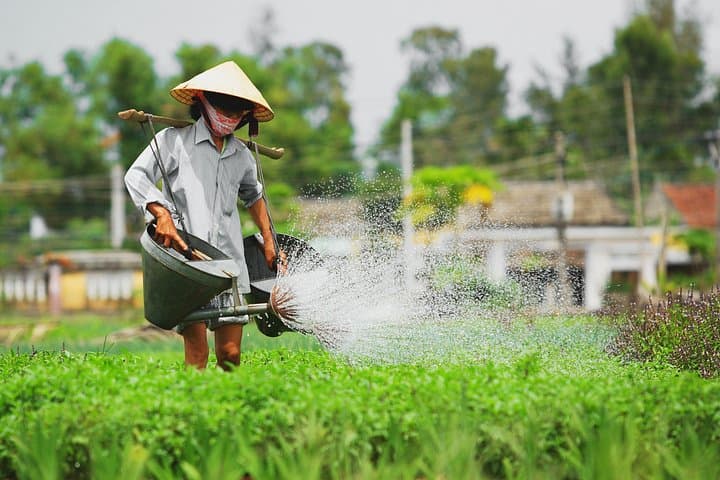
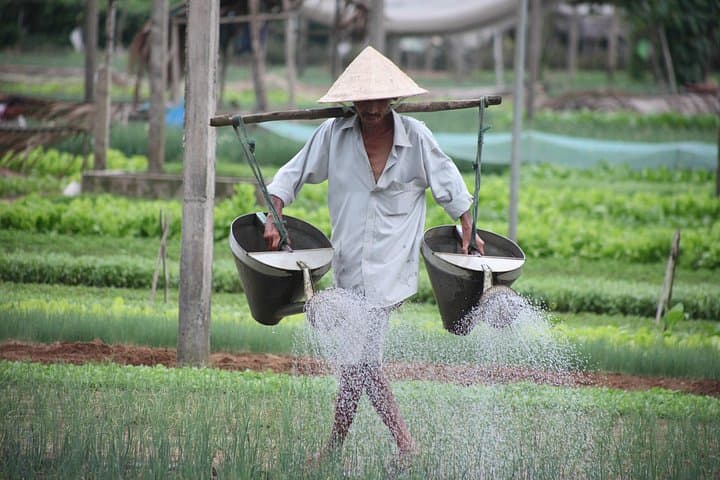
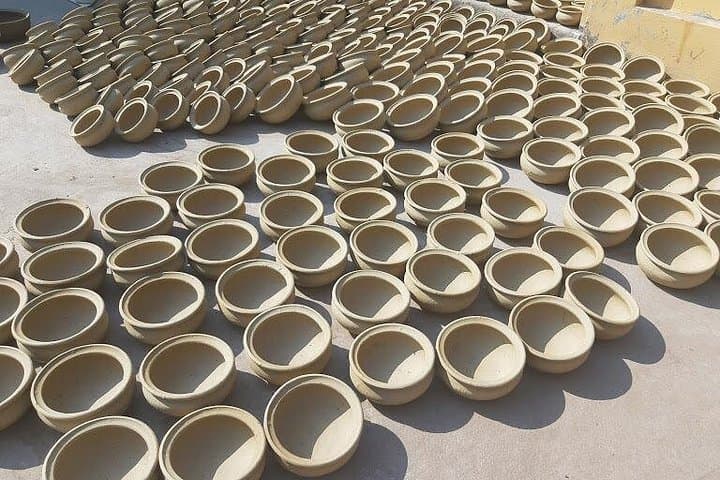
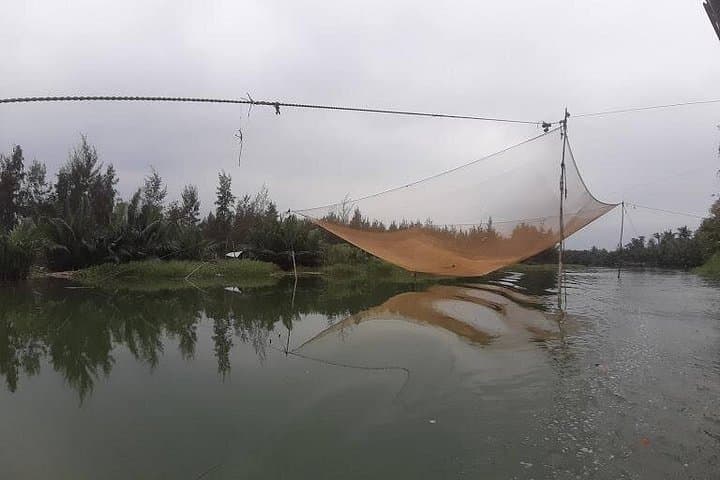
The day begins with pedal rhythms on narrow village lanes: rice paddies flatten to the horizon, water channels slice the fields, and the village wakes around small family workshops. Cyclists and passengers move at a human pace—stopping to watch potters turn clay, to learn the mechanics of a round basket boat, and to meet farmers who still tend water buffalo in ankle-deep mud.
The day begins with pedal rhythms on narrow village lanes: rice paddies flatten to the horizon, water channels slice the fields, and the village wakes around small family workshops. Cyclists and passengers move at a human pace—stopping to watch potters turn clay, to learn the mechanics of a round basket boat, and to meet farmers who still tend water buffalo in ankle-deep mud.
Hoi An’s countryside folds out of an old trading port landscape. Geology here is coastal plain—silted river mouths, mangrove channels and low-lying alluvial soils that made Thanh Ha pottery and small-scale fishing viable for centuries. Culturally, the route threads through craft villages where pottery firing and coracle rowing are handed down across generations; the basket boats (thung chai) and net-casting techniques are local markers of life tied to the Thu Bon River and nearby coast.
Practically, expect a five-hour, low-elevation outing across mostly flat paved lanes and compact dirt tracks, with short boat sections in mangrove channels. The tour typically includes hands-on activity: making pottery, trying a coracle, casting a net, and a family-style lunch. Bring sun protection and insect repellent, and plan to move between cycling, short walks, and boat decks. Morning departures avoid midday heat and make light easier for photos. Respect household routines when visiting family homes: remove shoes if asked, ask before photographing people, and follow the guide’s instructions when handling animals. This is an accessible cultural loop that rewards curiosity—simple mechanics, honest food, and the tactile work of village life.