THE ADVENTURE COLLECTIVE® · Independent discovery and booking for outdoor travel

Cycle past rice paddies and shrimp farms to Tra Que herb gardens, ride a unique round basket boat through water coconut palms, and share a local lunch — all in a half-day shore excursion from Tien Sa or Chan May port. Practical for beginners and rich in hands-on farming and coastal culture.
Cycle past rice paddies and shrimp farms to Tra Que herb gardens, ride a unique round basket boat through water coconut palms, and share a local lunch — all in a half-day shore excursion from Tien Sa or Chan May port. Practical for beginners and rich in hands-on farming and coastal culture.
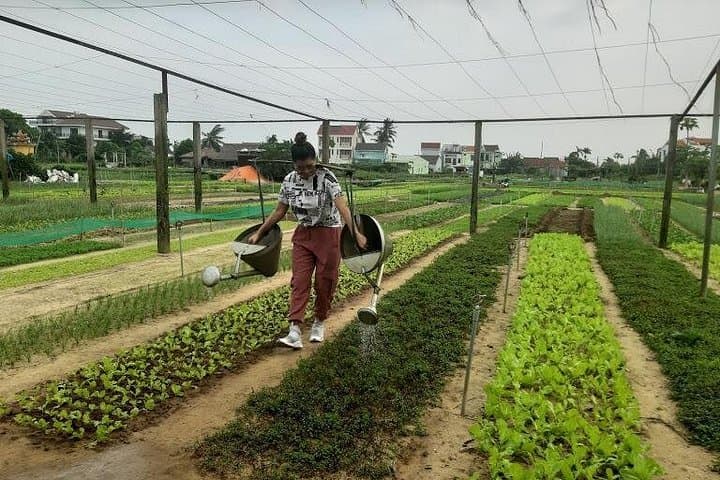
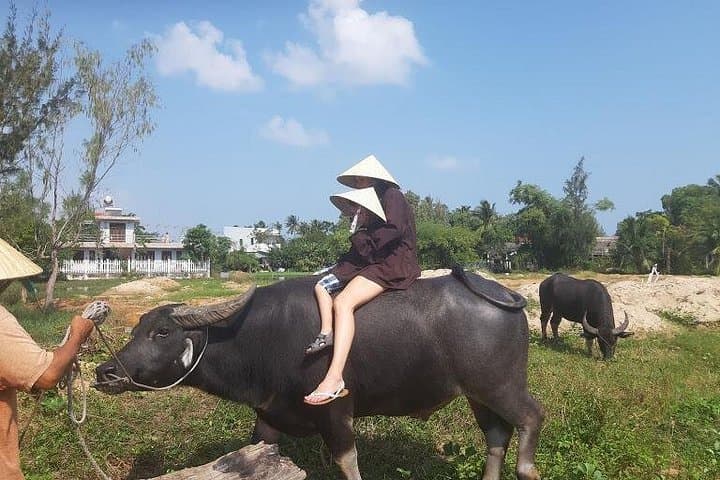
You push off along a narrow concrete lane, the air humid with river salt and freshly turned soil, bicycles humming beneath you as water buffalo lift slow heads from the shoulder of a rice paddy. The trail threads between low stone houses, shrimp farms with taut nets, and the small green plots of Tra Que — a living herb garden where farmers still tend beds with hand tools.
Verified experiences and guided adventures in the surrounding area.
Operated by MrLuckyBuddyTours · Hoi An, Quang Nam
You push off along a narrow concrete lane, the air humid with river salt and freshly turned soil, bicycles humming beneath you as water buffalo lift slow heads from the shoulder of a rice paddy. The trail threads between low stone houses, shrimp farms with taut nets, and the small green plots of Tra Que — a living herb garden where farmers still tend beds with hand tools.
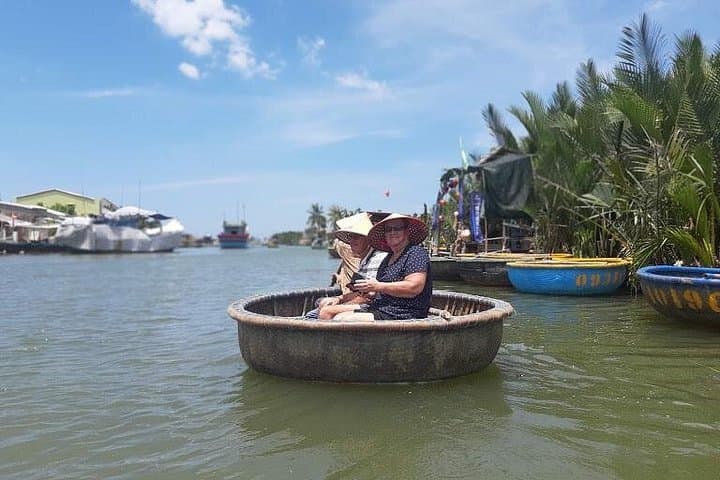
Central Vietnam’s coastline here is low and alluvial, carved into micro-parcels by tidal creeks and fed by the Thu Bon river system. Hoi An’s history as a trading port left a patchwork of cultural influences: Chinese-style house fronts, wooden boats, and family-run farms that still supply the town’s restaurants. The basket boats — round, shallow thung chai — are a regional design born from resourceful coastal communities and make for an unmistakable short, splashy ride through a water coconut forest.
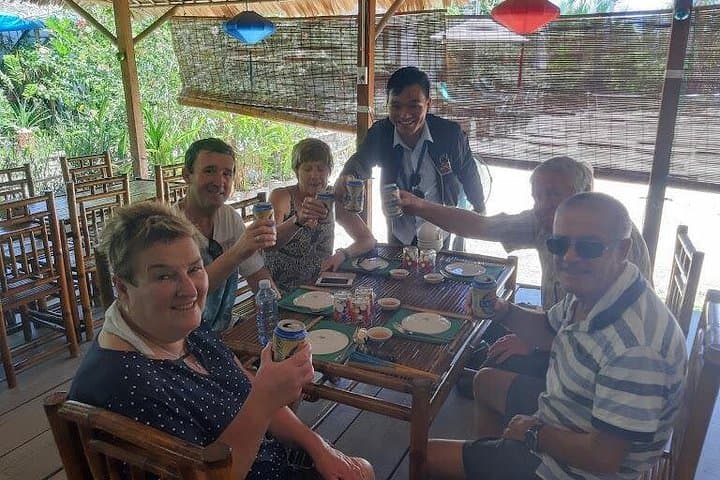
On this roughly five-hour shore excursion expect easy, mostly flat terrain, short dirt tracks and paved village roads, and several stops for hands-on farming tasks: hoeing, transplanting, even collecting river greens depending on tides. Lunch is local and simple — the chance to try herb-forward Hoi An flavors.
Practical notes: bring sun protection, a refillable water bottle, and closed-toe shoes for farm sections. The route is suitable for most riders comfortable on a standard city-bike; operators provide bikes and bottled water and handle port pickup. Time your visit to avoid the midday heat or heavy rains in monsoon months for the best photos and the most comfortable ride.
easy.
5 hours.
Suitable for casual cyclists and travelers in average fitness; repeated short rides and light farm tasks are included.
No — the tour uses flat village roads and short dirt tracks; basic bike handling suffices and operators provide bikes suited to casual riders.
Yes — the tour offers pickup from Tien Sa or Chan May port and local hotels; confirm your pickup point when booking.
Operators typically provide helmets, a bicycle, and bottled water; bring a reusable bottle for refills at lunch to reduce waste.
Yes — vendors can usually adjust simple Vietnamese lunches for common dietary needs if you request this in advance.
Hoi An was a major Southeast Asian trading port from the 15th to 19th centuries; surrounding farmland supplied the town and its merchants, a tradition that continues in Tra Que’s small-scale vegetable plots.
Aquaculture and tourism pressure affect water quality and soil; follow guides, avoid single-use plastics, and stick to designated paths to minimize impact.
MrLuckyBuddyTours operates guided outdoor trips and adventures with an emphasis on safety, stewardship, and memorable experiences.
You push off along a narrow concrete lane, the air humid with river salt and freshly turned soil, bicycles humming beneath you as water buffalo lift slow heads from the shoulder of a rice paddy. The trail threads between low stone houses, shrimp farms with taut nets, and the small green plots of Tra Que — a living herb garden where farmers still tend beds with hand tools.
You push off along a narrow concrete lane, the air humid with river salt and freshly turned soil, bicycles humming beneath you as water buffalo lift slow heads from the shoulder of a rice paddy. The trail threads between low stone houses, shrimp farms with taut nets, and the small green plots of Tra Que — a living herb garden where farmers still tend beds with hand tools.
Central Vietnam’s coastline here is low and alluvial, carved into micro-parcels by tidal creeks and fed by the Thu Bon river system. Hoi An’s history as a trading port left a patchwork of cultural influences: Chinese-style house fronts, wooden boats, and family-run farms that still supply the town’s restaurants. The basket boats — round, shallow thung chai — are a regional design born from resourceful coastal communities and make for an unmistakable short, splashy ride through a water coconut forest.
On this roughly five-hour shore excursion expect easy, mostly flat terrain, short dirt tracks and paved village roads, and several stops for hands-on farming tasks: hoeing, transplanting, even collecting river greens depending on tides. Lunch is local and simple — the chance to try herb-forward Hoi An flavors.
Practical notes: bring sun protection, a refillable water bottle, and closed-toe shoes for farm sections. The route is suitable for most riders comfortable on a standard city-bike; operators provide bikes and bottled water and handle port pickup. Time your visit to avoid the midday heat or heavy rains in monsoon months for the best photos and the most comfortable ride.