THE ADVENTURE COLLECTIVE® · Independent discovery and booking for outdoor travel

Pedal out of Hoi An into the flat, fragrant ricelands of Tra Que village. This three-hour tour pairs easy cycling with hands-on farming tasks, local food, and close-up views of rural life.
Pedal out of Hoi An into the flat, fragrant ricelands of Tra Que village. This three-hour tour pairs easy cycling with hands-on farming tasks, local food, and close-up views of rural life.
Morning light leans across the rice paddies as a small group of cyclists slips away from Hoi An’s old quarter and into open fields. The road narrows, water channels gleam, and the air carries the clean, green scent of freshly turned soil. On this three-hour ride you trade the town’s lantern-lit streets for the steady rhythm of pedaling, the occasional call of a water buffalo, and hands-on time in Tra Que vegetable village.
Verified experiences and guided adventures in the surrounding area.
Operated by Billy Vietnam Travel · Hoi An, Quang Nam
Morning light leans across the rice paddies as a small group of cyclists slips away from Hoi An’s old quarter and into open fields. The road narrows, water channels gleam, and the air carries the clean, green scent of freshly turned soil. On this three-hour ride you trade the town’s lantern-lit streets for the steady rhythm of pedaling, the occasional call of a water buffalo, and hands-on time in Tra Que vegetable village.
Tra Que is a living market garden: beds of herbs and greens grown on alluvial soil fed by the Thu Bon’s seasonal flows. The village’s farming techniques are local, passed down through generations and adapted to tidal irrigation. Between short rides you’ll meet farmers, help hoe soil, transplant seedlings, and gather riverweed — an earthy primer on Vietnamese small-scale agriculture. Along the route you’ll also pass small workshops where rice noodles, sleeping mats and rice wine are still made by hand.
The terrain is flat to gently rolling, with a mix of quiet asphalt lanes and rutted dirt tracks that demand attentive steering more than power. Expect narrow farm bridges and friendly locals moving ducks and cattle across paths.
Practical notes: guides typically provide bicycles, bottled water, and a light brunch; tours run early morning or mid-afternoon to avoid the heat. Wear closed-toe shoes, a sun hat, and insect repellent. Bring a small amount of cash for snacks or tips and a camera with a protective sleeve — the colors here change fast as clouds move.
This ride is part cultural exchange, part easy outdoor workout: an accessible way to see rural Vietnam while getting your hands in the soil and your pedals turning through living landscape.
moderate.
3 hours.
Suitable for riders with a basic level of fitness who can pedal 8–15 km at a relaxed pace; frequent stops reduce exertion.
The route is typically 8–12 km round-trip, broken into short segments with stops for demonstrations and activities.
Yes—families with older children who can ride steadily are common; infant seats are sometimes available but check at booking.
Tours may be canceled or rescheduled for heavy rain; light showers are usually tolerated with ponchos but muddy paths can limit activities.
Yes—bicycles and bottled water are included, and helmets are generally provided; confirm helmet availability if you require a specific size.
Hoi An grew as an international trading port from the 15th–19th centuries; the surrounding plains have long supported market gardens that supplied the town and visiting merchants.
Tra Que’s farmers often use organic practices and community-managed irrigation; visitors should stick to paths and avoid trampling beds to minimize impact.
Billy Vietnam Travel operates guided outdoor trips and adventures with an emphasis on safety, stewardship, and memorable experiences.
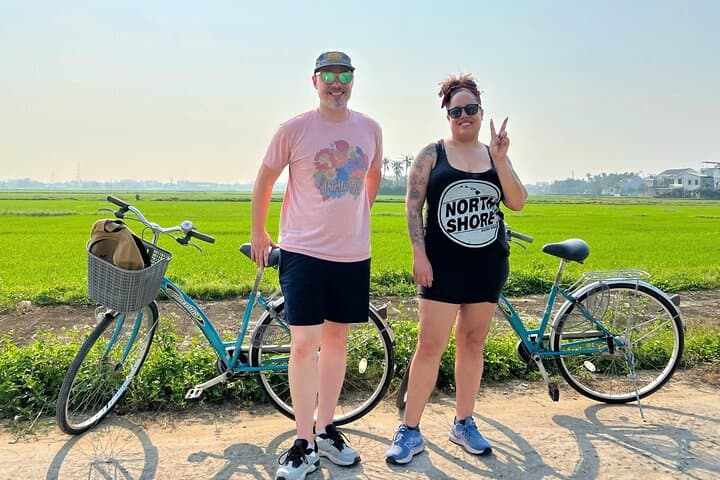
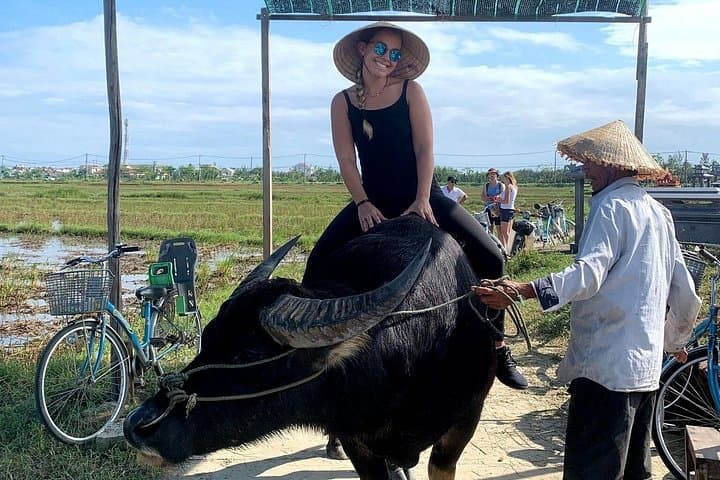
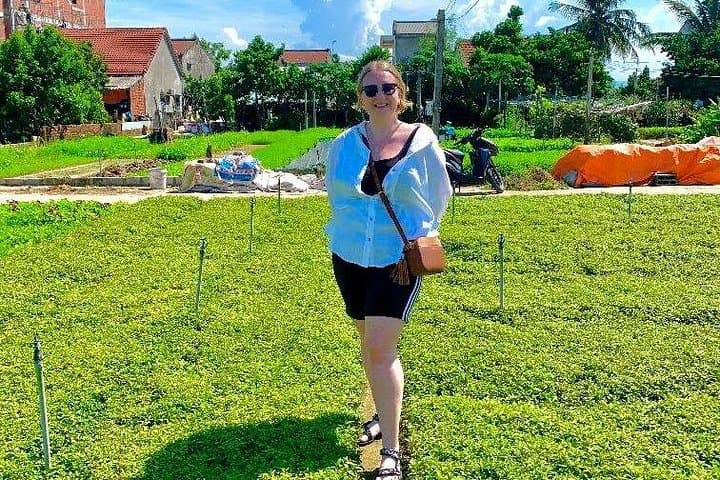
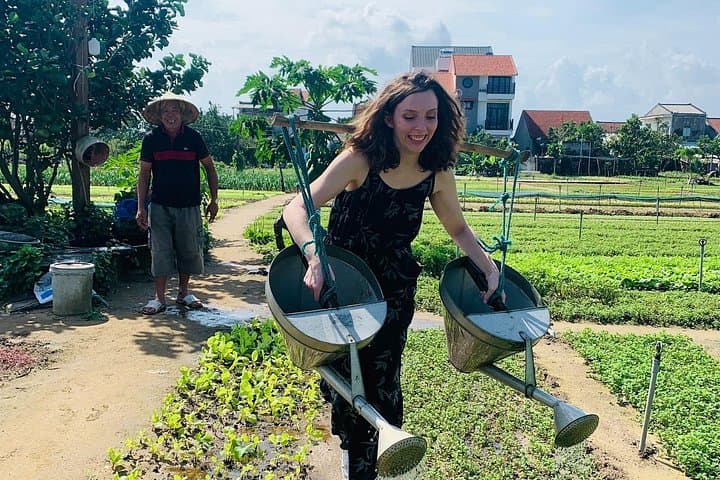
Morning light leans across the rice paddies as a small group of cyclists slips away from Hoi An’s old quarter and into open fields. The road narrows, water channels gleam, and the air carries the clean, green scent of freshly turned soil. On this three-hour ride you trade the town’s lantern-lit streets for the steady rhythm of pedaling, the occasional call of a water buffalo, and hands-on time in Tra Que vegetable village.
Morning light leans across the rice paddies as a small group of cyclists slips away from Hoi An’s old quarter and into open fields. The road narrows, water channels gleam, and the air carries the clean, green scent of freshly turned soil. On this three-hour ride you trade the town’s lantern-lit streets for the steady rhythm of pedaling, the occasional call of a water buffalo, and hands-on time in Tra Que vegetable village.
Tra Que is a living market garden: beds of herbs and greens grown on alluvial soil fed by the Thu Bon’s seasonal flows. The village’s farming techniques are local, passed down through generations and adapted to tidal irrigation. Between short rides you’ll meet farmers, help hoe soil, transplant seedlings, and gather riverweed — an earthy primer on Vietnamese small-scale agriculture. Along the route you’ll also pass small workshops where rice noodles, sleeping mats and rice wine are still made by hand.
The terrain is flat to gently rolling, with a mix of quiet asphalt lanes and rutted dirt tracks that demand attentive steering more than power. Expect narrow farm bridges and friendly locals moving ducks and cattle across paths.
Practical notes: guides typically provide bicycles, bottled water, and a light brunch; tours run early morning or mid-afternoon to avoid the heat. Wear closed-toe shoes, a sun hat, and insect repellent. Bring a small amount of cash for snacks or tips and a camera with a protective sleeve — the colors here change fast as clouds move.
This ride is part cultural exchange, part easy outdoor workout: an accessible way to see rural Vietnam while getting your hands in the soil and your pedals turning through living landscape.