THE ADVENTURE COLLECTIVE® · Independent discovery and booking for outdoor travel

Cycle quiet lanes and riverside dikes outside Hoi An, meet farmers and fishermen, and enjoy a home-style local lunch. This private four-hour tour mixes easy cycling with cultural stops and scenic photo ops.
Cycle quiet lanes and riverside dikes outside Hoi An, meet farmers and fishermen, and enjoy a home-style local lunch. This private four-hour tour mixes easy cycling with cultural stops and scenic photo ops.
Pedaling out of Hoi An’s old town, the rice fields open like pages of a slow-moving story: shimmering paddies, narrow irrigation canals, and the occasional water buffalo eyeing you from the shade.
Verified experiences and guided adventures in the surrounding area.
Operated by Mate Hoi An Tours · Hoi An, Quang Nam Province
Pedaling out of Hoi An’s old town, the rice fields open like pages of a slow-moving story: shimmering paddies, narrow irrigation canals, and the occasional water buffalo eyeing you from the shade.
This four-hour private ride threads quiet village lanes and riverside dikes where life still follows seasonal rhythms. Historically, Hoi An grew as a trading port on the Thu Bon River—its countryside supplied food, pottery and labor to the town—and traces of that working landscape remain visible in small boatyards, Tra Que vegetable plots and family-run rice terraces. Geologically the area is low and flat, composed of alluvial plains deposited by the river; expect mud, compacted earth roads and raised dyke paths rather than steep climbs.
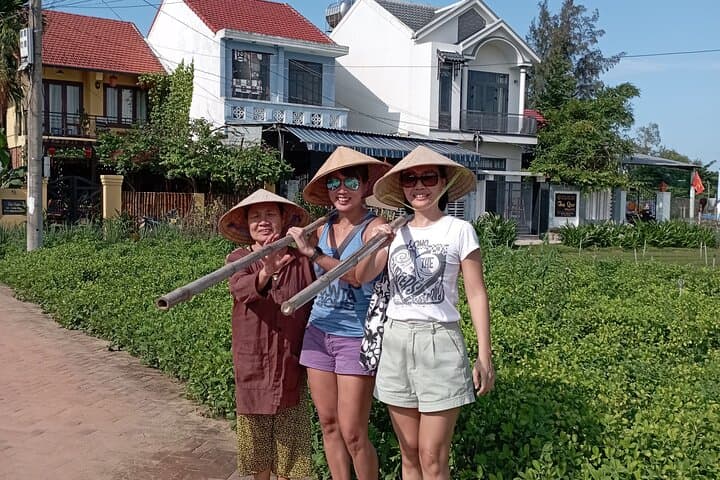
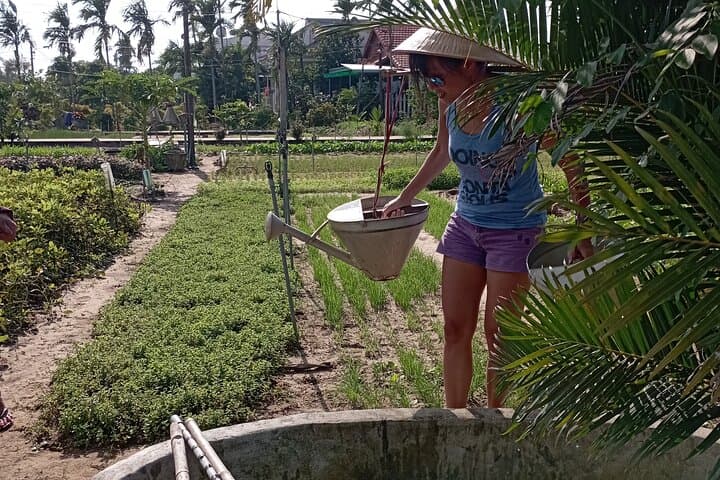
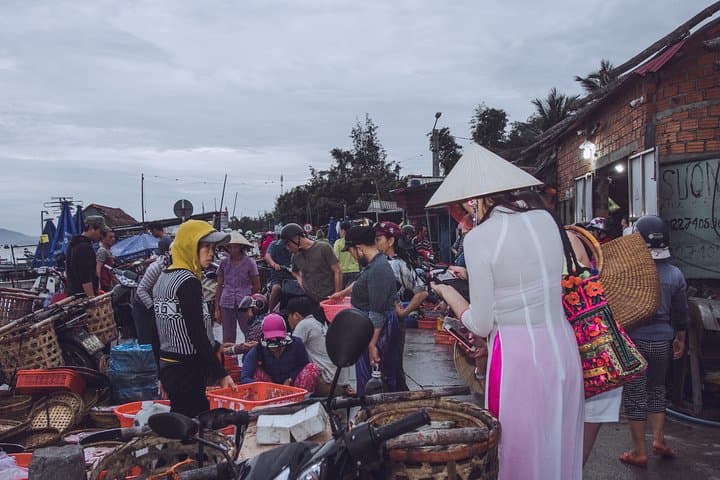
Culturally, the route invites conversation: farmers watering herbs, fishermen mending nets, and home kitchens readying lunch. The guide will steer you to a local restaurant for a traditional meal—fresh herbs, grilled fish, and rice—often served with stories about local crops and fishing methods.
Practical guidance: choose a morning slot to avoid mid-day heat and sudden tropical squalls. Bikes are comfortable, upright models built for flat terrain—bring sunscreen, a light rain layer and a refillable water bottle. Wear shoes that can handle gravel and soft mud; expect frequent stops for photos, markets and brief exchanges with residents.
This is an easy-to-moderate outdoor experience that rewards a curious pace: the countryside doesn’t rush, and neither should you.
moderate.
4 hours.
A basic level of fitness for continuous cycling on flat terrain for several hours; able to ride 10–15 km comfortably.
Yes—upright, low-gear bicycles are provided and suited to beginners and casual riders on flat countryside roads.
The operator indicates wheelchair-accessible transport and surfaces, but some rural paths and stops may be uneven—confirm accessibility needs when booking.
Local restaurants generally accommodate dietary requests if advised in advance—note restrictions during booking so the guide can arrange suitable dishes.
Expect roughly 10–20 km over four hours on predominantly flat terrain with minimal elevation—stops extend the duration more than distance.
Hoi An’s countryside supported the historic port economy; many villages still practice ancestral farming and pottery trades that supplied the town for centuries.
Stick to paths, avoid trampling young rice shoots and dispose of waste properly—small habits help protect fragile paddy ecosystems and local fisheries.
Mate Hoi An Tours operates guided outdoor trips and adventures with an emphasis on safety, stewardship, and memorable experiences.

Pedaling out of Hoi An’s old town, the rice fields open like pages of a slow-moving story: shimmering paddies, narrow irrigation canals, and the occasional water buffalo eyeing you from the shade.
Pedaling out of Hoi An’s old town, the rice fields open like pages of a slow-moving story: shimmering paddies, narrow irrigation canals, and the occasional water buffalo eyeing you from the shade.
This four-hour private ride threads quiet village lanes and riverside dikes where life still follows seasonal rhythms. Historically, Hoi An grew as a trading port on the Thu Bon River—its countryside supplied food, pottery and labor to the town—and traces of that working landscape remain visible in small boatyards, Tra Que vegetable plots and family-run rice terraces. Geologically the area is low and flat, composed of alluvial plains deposited by the river; expect mud, compacted earth roads and raised dyke paths rather than steep climbs.
Culturally, the route invites conversation: farmers watering herbs, fishermen mending nets, and home kitchens readying lunch. The guide will steer you to a local restaurant for a traditional meal—fresh herbs, grilled fish, and rice—often served with stories about local crops and fishing methods.
Practical guidance: choose a morning slot to avoid mid-day heat and sudden tropical squalls. Bikes are comfortable, upright models built for flat terrain—bring sunscreen, a light rain layer and a refillable water bottle. Wear shoes that can handle gravel and soft mud; expect frequent stops for photos, markets and brief exchanges with residents.
This is an easy-to-moderate outdoor experience that rewards a curious pace: the countryside doesn’t rush, and neither should you.