THE ADVENTURE COLLECTIVE® · Independent discovery and booking for outdoor travel

Leave Hoi An’s lantern-lit streets and pedal into the slow-worked villages of Thanh Ha, Kim Bong and Cam Kim. This four-hour back-road tour combines hands-on pottery, carpentry and weaving with quiet country lanes and talk of river-driven livelihoods.
Leave Hoi An’s lantern-lit streets and pedal into the slow-worked villages of Thanh Ha, Kim Bong and Cam Kim. This four-hour back-road tour combines hands-on pottery, carpentry and weaving with quiet country lanes and talk of river-driven livelihoods.
A narrow country lane unfolds from Hoi An’s river-side bustle into a quieter world of rice paddies, palm-thatched workshops, and the steady rhythm of daily labor.
Verified experiences and guided adventures in the surrounding area.
Operated by Hoi An Native Tours · Hoi An, Quang Nam
A narrow country lane unfolds from Hoi An’s river-side bustle into a quieter world of rice paddies, palm-thatched workshops, and the steady rhythm of daily labor.
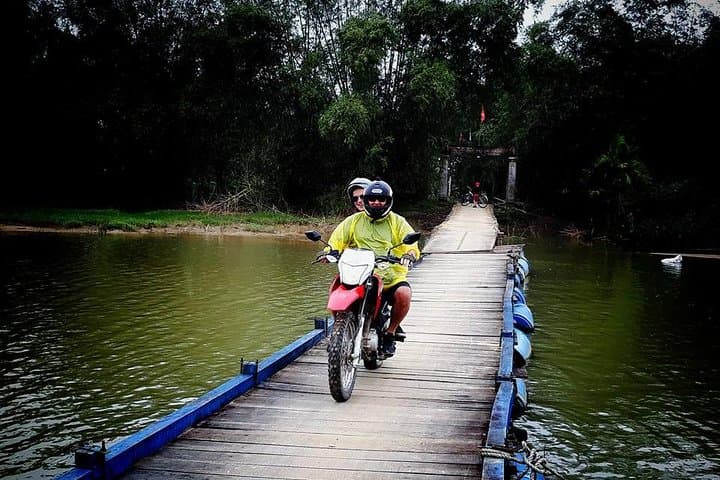
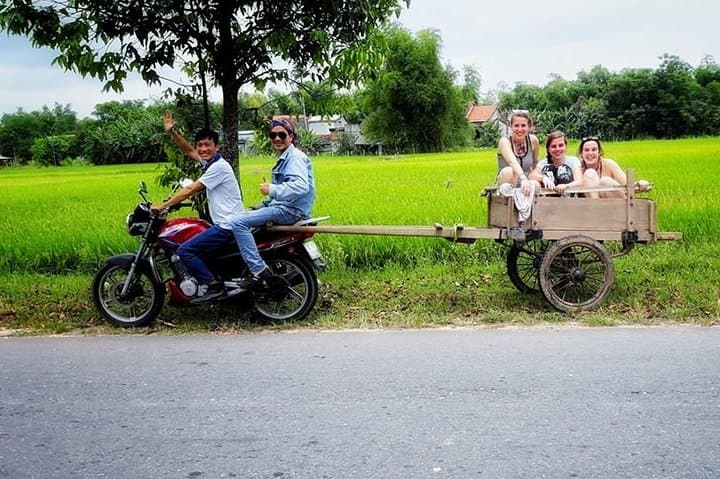
You arrive on a bicycle-friendly back road where oxen tracks and motorbike dust alternate with the sharp smell of wet earth; rivers edge close enough to hear water teasing at the banks. The tour moves through Thanh Ha pottery village, Kim Bong carpentry dockyards and Cam Kim straw-weaving houses—each place a working workshop where techniques pass from one generation to the next.
The region sits on flat coastal plains formed by sediment from the Thu Bon River, which shaped the shallow estuaries that supported both agriculture and boatbuilding for centuries. Hoi An’s historic role as a port connected its craftspeople to domestic and foreign markets, so what you see is a blend of local techniques shaped by trade and monsoon seasonality.
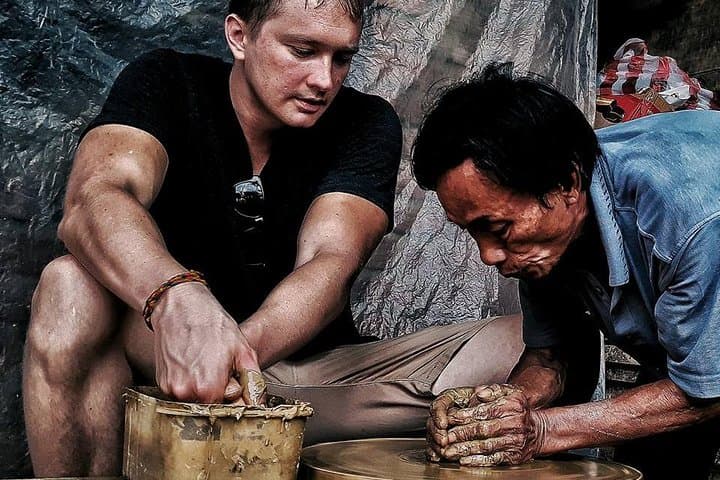
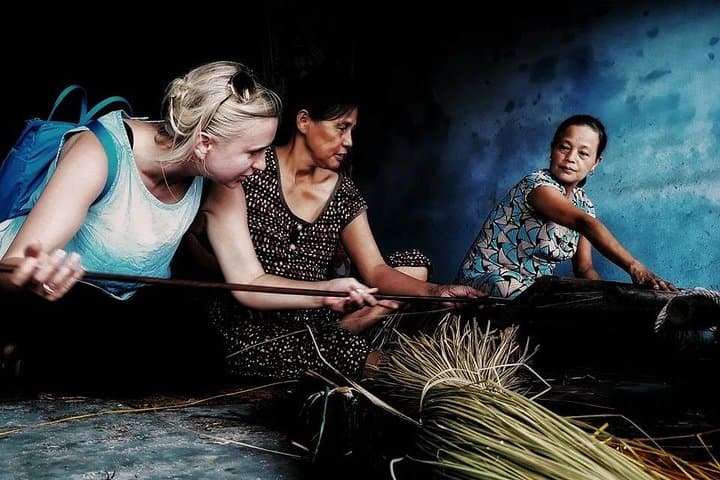
Expect hands-on time: shaping clay, trying simple joinery, and weaving a straw mat with local guidance. Guides explain tools, firing methods, and how the paddies and waterways feed village life. The tempo is unhurried—craftwork often dictates the pace—and the landscape both frames and directs the day.
Practical notes: the route is flat and accessible; bring sun protection, comfortable shoes for short, dusty walks, and a lightweight rain layer during monsoon months. Photography is welcome but ask before entering private workshops. Leave with a small, earned souvenir and a clearer sense of craft economies that still shape Hoi An’s countryside.
easy.
4 hours.
Suitable for most fitness levels; involves light walking and standing during demonstrations.
The experience runs about four hours with short, easy walks between workshops and demonstration areas—no long hikes or steep terrain.
Yes; many hands-on activities are family friendly, but supervision is recommended for young children around tools and kilns.
Most operators include pickup from central Hoi An; check booking details for specific pickup locations and times.
Yes. Artisans often sell pieces directly; bring Vietnamese dong for purchases and small bargaining is common.
Hoi An’s countryside grew around the Thu Bon River estuary; its villages specialized in crafts that supported a busy regional port from the 16th–19th centuries.
Be mindful of plastic waste and avoid contributing to kiln fuel demand by buying thoughtfully; many villages encourage minimal-impact visits to preserve local life.
Hoi An Native Tours operates guided outdoor trips and adventures with an emphasis on safety, stewardship, and memorable experiences.
A narrow country lane unfolds from Hoi An’s river-side bustle into a quieter world of rice paddies, palm-thatched workshops, and the steady rhythm of daily labor.
A narrow country lane unfolds from Hoi An’s river-side bustle into a quieter world of rice paddies, palm-thatched workshops, and the steady rhythm of daily labor.
You arrive on a bicycle-friendly back road where oxen tracks and motorbike dust alternate with the sharp smell of wet earth; rivers edge close enough to hear water teasing at the banks. The tour moves through Thanh Ha pottery village, Kim Bong carpentry dockyards and Cam Kim straw-weaving houses—each place a working workshop where techniques pass from one generation to the next.
The region sits on flat coastal plains formed by sediment from the Thu Bon River, which shaped the shallow estuaries that supported both agriculture and boatbuilding for centuries. Hoi An’s historic role as a port connected its craftspeople to domestic and foreign markets, so what you see is a blend of local techniques shaped by trade and monsoon seasonality.
Expect hands-on time: shaping clay, trying simple joinery, and weaving a straw mat with local guidance. Guides explain tools, firing methods, and how the paddies and waterways feed village life. The tempo is unhurried—craftwork often dictates the pace—and the landscape both frames and directs the day.
Practical notes: the route is flat and accessible; bring sun protection, comfortable shoes for short, dusty walks, and a lightweight rain layer during monsoon months. Photography is welcome but ask before entering private workshops. Leave with a small, earned souvenir and a clearer sense of craft economies that still shape Hoi An’s countryside.