THE ADVENTURE COLLECTIVE® · Independent discovery and booking for outdoor travel

Explore Cam Thanh’s water coconut channels by traditional round basket boat, ride a water buffalo past rice paddies, then stroll Hoi An’s UNESCO-listed streets. This full-day shore excursion combines rural river time with cultural highlights and local food.
Explore Cam Thanh’s water coconut channels by traditional round basket boat, ride a water buffalo past rice paddies, then stroll Hoi An’s UNESCO-listed streets. This full-day shore excursion combines rural river time with cultural highlights and local food.
Morning light slants across the Thu Bon estuary as the minivan drops you at Cam Thanh village—a patchwork of water channels, waist-high palms and small wooden homes.
Verified experiences and guided adventures in the surrounding area.
Operated by Andy Tours Viet Nam · Hoi An, Quang Nam
Morning light slants across the Thu Bon estuary as the minivan drops you at Cam Thanh village—a patchwork of water channels, waist-high palms and small wooden homes.
You step into a round basket boat guided by a local ferryman; the hull thrums beneath your feet and the water coconut trees close in, leaves brushing the sides as crabs skitter through shallow mud. Later a gentle buffalo ride across a rice-track gives a slow, grounded view of farming life before the tour moves upriver to Hoi An’s Old Town.
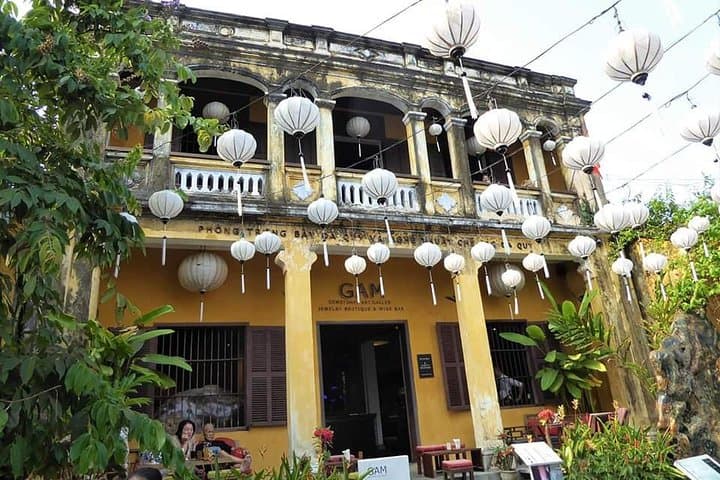
Hoi An’s streets hold layers of port history: Champa-era trade, Japanese and Chinese merchant houses, and colonial-era weaving of cultures along the Thu Bon. The Japanese Covered Bridge and Tan Ky Ancient House are physical chapters—wood, tile and carved beams that map centuries of maritime exchange.
Geologically, the low-lying plain is alluvial—rivers deposit the silt that feeds rice paddies and supports the water coconut forest; the landscape feels made to be rowed through rather than climbed.
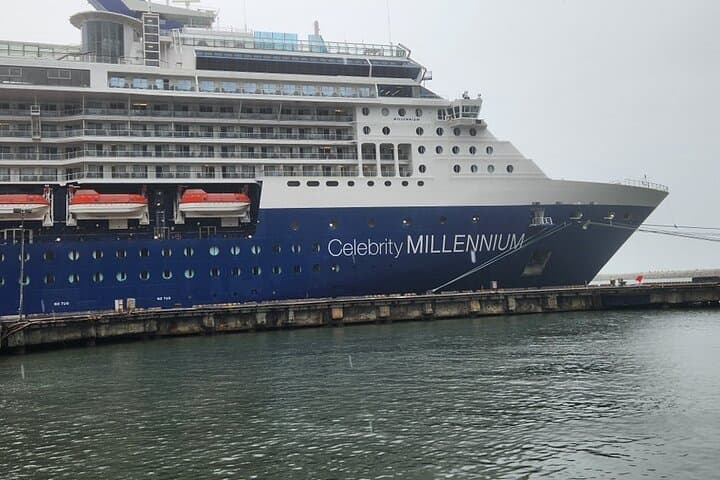
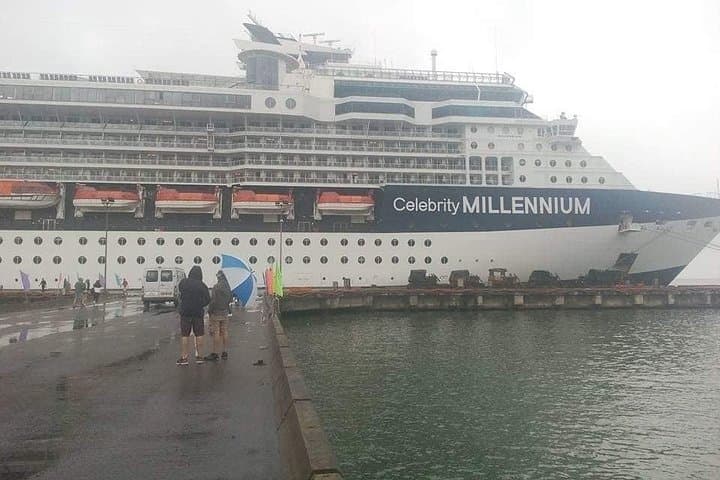
Practical guidance: bring quick-dry footwear and sun protection—channels are shallow and muddy. Expect a balance of light activity (basket-boat steering, short walks, market browsing) and downtime (tea with locals, lunch). Start early to avoid midday heat and allow time for foot massage and port drop-off. If you’re on a cruise, confirm pickup/drop times against your ship’s schedule; tides and traffic can tighten windows. Respect local practices—ask before photographing families—and carry cash small bills for markets and tips.
moderate.
8 hours.
Moderate—able to board small boats, walk short uneven paths, and climb in/out of vehicles several times.
Yes—tours offer port pickup and return; confirm your ship’s departure time when booking to ensure sufficient buffer for traffic and tides.
Yes, but children must be accompanied by an adult and may need assistance boarding smaller boats; operators often provide life vests.
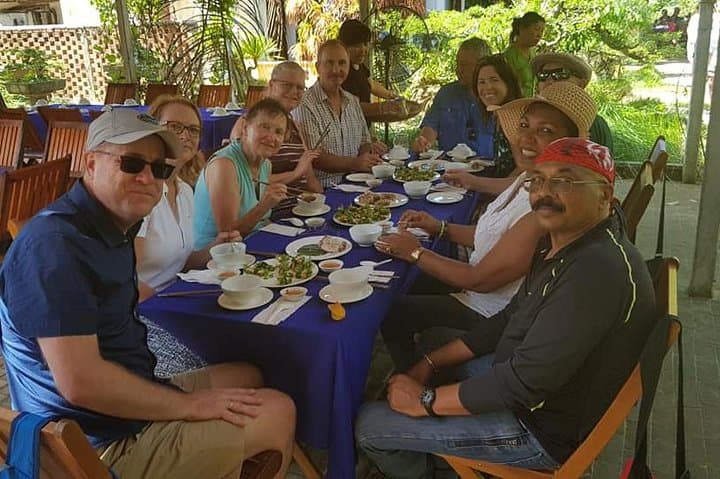
Yes—lunch typically features local Vietnamese dishes and can accommodate dietary requests if notified in advance.
Basket boats are stable and operated by experienced locals; life jackets are normally available but check with the operator if you have concerns.
Hoi An was a major port from the 15th to 19th centuries, where Japanese, Chinese and European merchants traded silk, ceramics and spices—evident in preserved merchant houses and assembly halls.
The water coconut forest and rice paddies are ecologically sensitive; stay in marked channels, avoid littering, and support local families to incentivize habitat preservation.
Andy Tours Viet Nam operates guided outdoor trips and adventures with an emphasis on safety, stewardship, and memorable experiences.
Morning light slants across the Thu Bon estuary as the minivan drops you at Cam Thanh village—a patchwork of water channels, waist-high palms and small wooden homes.
Morning light slants across the Thu Bon estuary as the minivan drops you at Cam Thanh village—a patchwork of water channels, waist-high palms and small wooden homes.
You step into a round basket boat guided by a local ferryman; the hull thrums beneath your feet and the water coconut trees close in, leaves brushing the sides as crabs skitter through shallow mud. Later a gentle buffalo ride across a rice-track gives a slow, grounded view of farming life before the tour moves upriver to Hoi An’s Old Town.
Hoi An’s streets hold layers of port history: Champa-era trade, Japanese and Chinese merchant houses, and colonial-era weaving of cultures along the Thu Bon. The Japanese Covered Bridge and Tan Ky Ancient House are physical chapters—wood, tile and carved beams that map centuries of maritime exchange.
Geologically, the low-lying plain is alluvial—rivers deposit the silt that feeds rice paddies and supports the water coconut forest; the landscape feels made to be rowed through rather than climbed.
Practical guidance: bring quick-dry footwear and sun protection—channels are shallow and muddy. Expect a balance of light activity (basket-boat steering, short walks, market browsing) and downtime (tea with locals, lunch). Start early to avoid midday heat and allow time for foot massage and port drop-off. If you’re on a cruise, confirm pickup/drop times against your ship’s schedule; tides and traffic can tighten windows. Respect local practices—ask before photographing families—and carry cash small bills for markets and tips.