THE ADVENTURE COLLECTIVE® · Independent discovery and booking for outdoor travel

Spend a day in Hoi An’s living countryside: wheel pottery in Thanh Ha, ride a water buffalo, row a bamboo basket boat through nipa palms, then walk the UNESCO-listed Ancient Town. Practical, immersive, and family-friendly—this tour blends hands-on village life with Hoi An’s historic streets.
Spend a day in Hoi An’s living countryside: wheel pottery in Thanh Ha, ride a water buffalo, row a bamboo basket boat through nipa palms, then walk the UNESCO-listed Ancient Town. Practical, immersive, and family-friendly—this tour blends hands-on village life with Hoi An’s historic streets.
Morning light rests low over rice paddies as a minivan eases away from Da Nang toward Hoi An’s fringe villages. You step into a rhythm of hands-on craft and slow rural motion: spinning clay at Thanh Ha Pottery, clambering onto the broad back of a water buffalo for a photo, then sliding into a round bamboo basket boat that bobs among nipa palms.
Verified experiences and guided adventures in the surrounding area.
Operated by My Son Tours · Hoi An, Quang Nam
Morning light rests low over rice paddies as a minivan eases away from Da Nang toward Hoi An’s fringe villages. You step into a rhythm of hands-on craft and slow rural motion: spinning clay at Thanh Ha Pottery, clambering onto the broad back of a water buffalo for a photo, then sliding into a round bamboo basket boat that bobs among nipa palms.
The region’s history is visible in sturdy earthenware and the Japanese Covered Bridge’s low arch — Hoi An grew as a trading port between the 15th and 19th centuries, absorbing Chinese, Japanese and Southeast Asian influences. Geology here is soft alluvium; tidal channels and sandbars shape the Thu Bon River’s estuary and feed the coconut fringes where fishermen still cast net by hand.
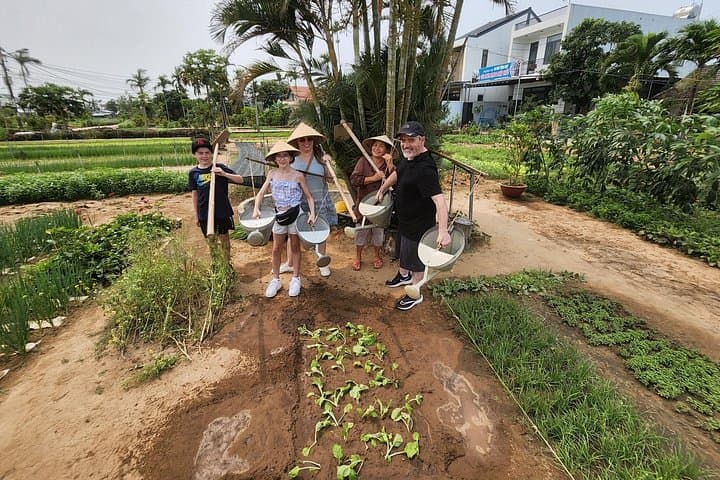
Culturally, this tour centers on village skills: pottery wheel techniques passed down generations, the local use of buffalo for fieldwork, and coconut-leaf weaving demonstrations. Expect simple family lunch recipes, a short foot massage to ease damp legs, and a guided walk through Hoi An Ancient Town to see a Chinese assembly hall and the emblematic bridge.
Practical guidance: wear sturdy, quick-dry shoes for boats and farm tracks, bring cash for purchases and small tips, and carry sun protection and a lightweight rain layer in monsoon months. The pace is relaxed but involves repeated low steps into boats and onto animals, so bring basic mobility comfort. Tours support local households; engage respectfully, photograph with permission, and pack out any waste to keep these riverways clear for future visitors.
easy.
8–9 hours.
Suitable for most fitness levels; requires light walking, stepping into low boats and onto animal mounts.
Pickups are available from Hoi An and Da Nang hotels—confirm your pickup point when booking.
Yes—activities are family-friendly; however supervise children near water and animals and request infant seats if needed.
Yes, you can usually purchase finished pieces or arrange to have fired items shipped—ask the workshop about drying and firing times.
Closed-toe, water-resistant shoes with good tread are ideal—flip-flops are not recommended for boarding and farm terrain.
Hoi An was a major international trading port from the 15th–19th centuries; its architecture reflects Chinese, Japanese and European merchant influences. Thanh Ha village has produced pottery for centuries.
Respect local ecosystems by avoiding single-use plastics, keeping river channels clear, and supporting village businesses that use traditional, low-impact methods.
My Son Tours operates guided outdoor trips and adventures with an emphasis on safety, stewardship, and memorable experiences.
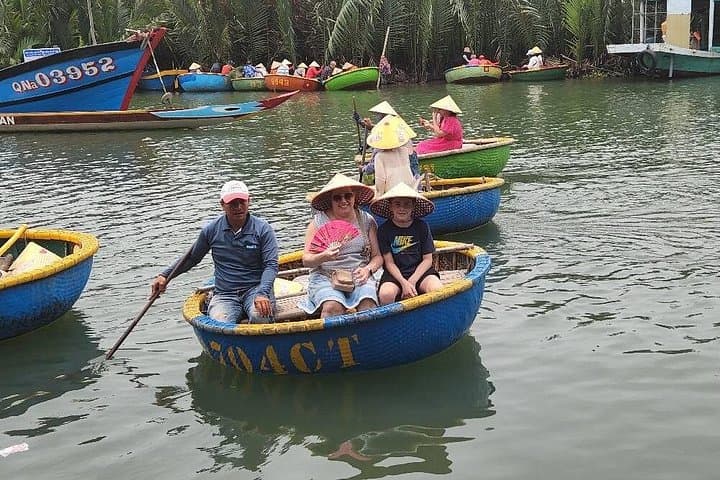
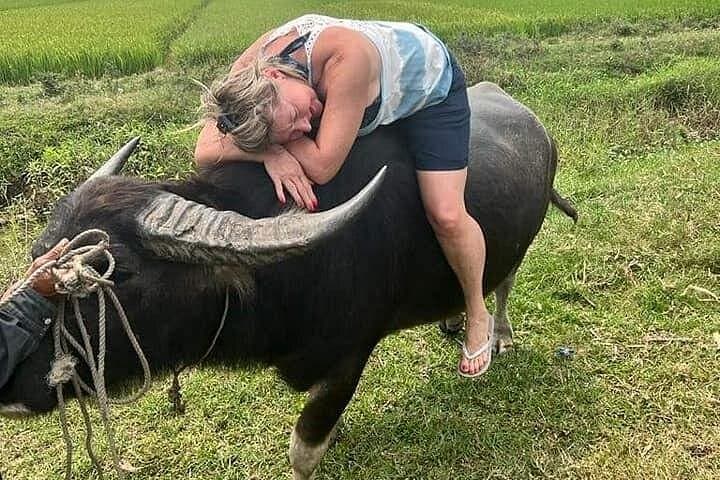
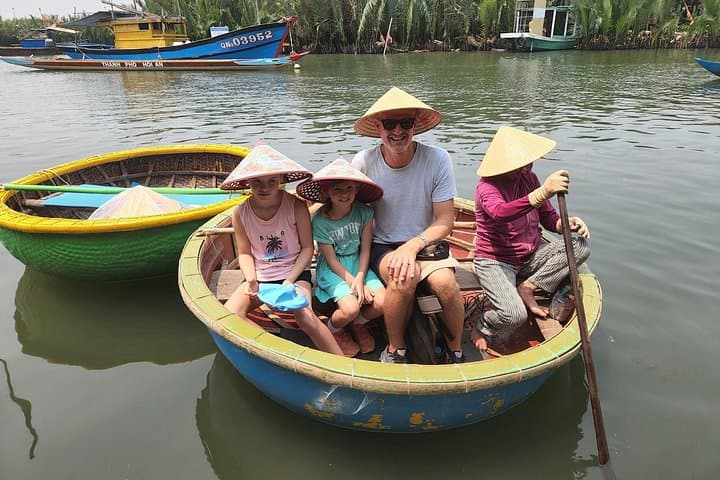
Morning light rests low over rice paddies as a minivan eases away from Da Nang toward Hoi An’s fringe villages. You step into a rhythm of hands-on craft and slow rural motion: spinning clay at Thanh Ha Pottery, clambering onto the broad back of a water buffalo for a photo, then sliding into a round bamboo basket boat that bobs among nipa palms.
Morning light rests low over rice paddies as a minivan eases away from Da Nang toward Hoi An’s fringe villages. You step into a rhythm of hands-on craft and slow rural motion: spinning clay at Thanh Ha Pottery, clambering onto the broad back of a water buffalo for a photo, then sliding into a round bamboo basket boat that bobs among nipa palms.
The region’s history is visible in sturdy earthenware and the Japanese Covered Bridge’s low arch — Hoi An grew as a trading port between the 15th and 19th centuries, absorbing Chinese, Japanese and Southeast Asian influences. Geology here is soft alluvium; tidal channels and sandbars shape the Thu Bon River’s estuary and feed the coconut fringes where fishermen still cast net by hand.
Culturally, this tour centers on village skills: pottery wheel techniques passed down generations, the local use of buffalo for fieldwork, and coconut-leaf weaving demonstrations. Expect simple family lunch recipes, a short foot massage to ease damp legs, and a guided walk through Hoi An Ancient Town to see a Chinese assembly hall and the emblematic bridge.
Practical guidance: wear sturdy, quick-dry shoes for boats and farm tracks, bring cash for purchases and small tips, and carry sun protection and a lightweight rain layer in monsoon months. The pace is relaxed but involves repeated low steps into boats and onto animals, so bring basic mobility comfort. Tours support local households; engage respectfully, photograph with permission, and pack out any waste to keep these riverways clear for future visitors.