THE ADVENTURE COLLECTIVE® · Independent discovery and booking for outdoor travel

Start your morning with banh mi and Vietnamese coffee, then stroll Hoi An’s historic streets to taste local specialties like cao lau and explore Japanese and Chinese heritage sites. This 5-hour tour mixes food, culture, and a short foot massage to cap a relaxed cultural morning.
Start your morning with banh mi and Vietnamese coffee, then stroll Hoi An’s historic streets to taste local specialties like cao lau and explore Japanese and Chinese heritage sites. This 5-hour tour mixes food, culture, and a short foot massage to cap a relaxed cultural morning.
Dawn light slips over tiled roofs as walkers gather on a quiet street in Hoi An, the air threaded with coffee steam and the savory smell of frying bread. The tour opens with banh mi op la and a strong cup of Vietnamese coffee, then moves through lantern-lit alleys toward the Japanese Covered Bridge and the ornate Fujian Assembly Hall. The town’s layered history—Chinese merchants, Japanese traders, Vietnamese artisans—shows up in rooflines, carved wooden panels, and market chatter.
Verified experiences and guided adventures in the surrounding area.
Operated by Realistic Asia · Hoi An, Quang Nam
Dawn light slips over tiled roofs as walkers gather on a quiet street in Hoi An, the air threaded with coffee steam and the savory smell of frying bread. The tour opens with banh mi op la and a strong cup of Vietnamese coffee, then moves through lantern-lit alleys toward the Japanese Covered Bridge and the ornate Fujian Assembly Hall. The town’s layered history—Chinese merchants, Japanese traders, Vietnamese artisans—shows up in rooflines, carved wooden panels, and market chatter.
Geologically the Thu Bon River shaped Hoi An’s role as a trading port; sedimentary flats created the shallow channels that once brought junks and now frame the town’s riverside life. Culturally, Hoi An is a living craft center: tailors, lantern-makers and tea vendors keep centuries-old techniques in daily use. Expect hands-on sensory moments at the central market—herbs, rice noodles, and slices of cao lau served in wan light—then a local, 15-minute foot massage to close the morning.
Practical guidance: arrive hungry but not starving (the guide suggests a light breakfast), wear comfortable, grippy shoes for uneven paving, and carry cash for market purchases and street snacks. Tours run about five hours with hotel pickup; vegetarian options are available on request. Morning timing avoids midday heat and gives better light for photos. Bring a small bottle of water and an umbrella in monsoon months. This is a low-effort cultural walk that rewards attention to flavor, architectural detail, and the soft rhythm of a riverside town waking up.
easy.
5 hours.
Suitable for most fitness levels; involves up to three miles of easy walking on paved and uneven surfaces
The tour lasts approximately 5 hours, with hotel pickup in the morning and a midday finish around 12:30 PM.
Yes—vegetarian dishes are available on request; let the operator know when booking or during pickup.
Yes—it's rated easy and suitable for most ages, though participants should be comfortable walking short distances on uneven pavement.
The tour typically includes an English-speaking guide; confirm language availability at booking if you need another language.
Hoi An flourished from the 15th to 19th centuries as a regional trading port, absorbing Chinese and Japanese merchant influences visible in its architecture and craft traditions.
The old town is a UNESCO World Heritage site with conservation regulations to protect historic buildings; visitors should avoid touching delicate woodwork and limit plastic waste in markets.
Realistic Asia operates guided outdoor trips and adventures with an emphasis on safety, stewardship, and memorable experiences.
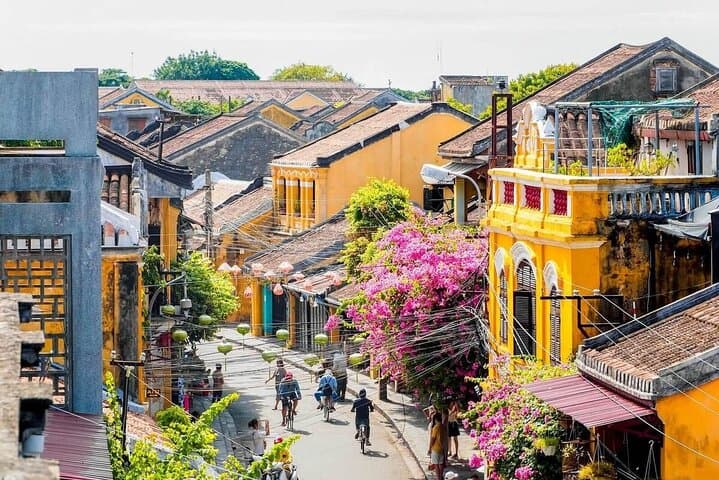
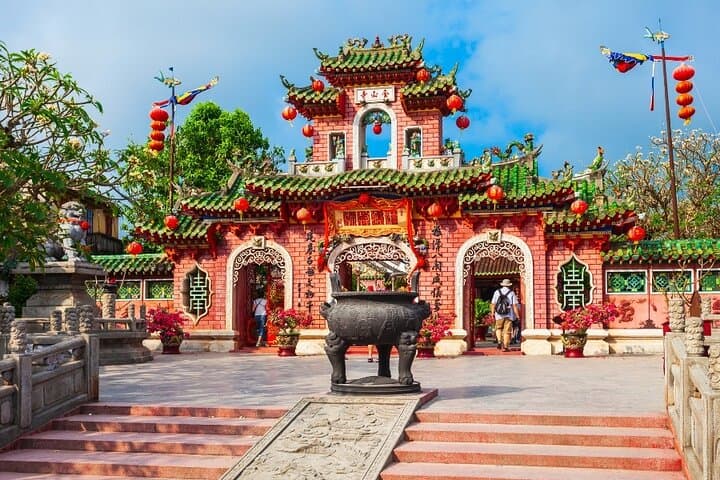
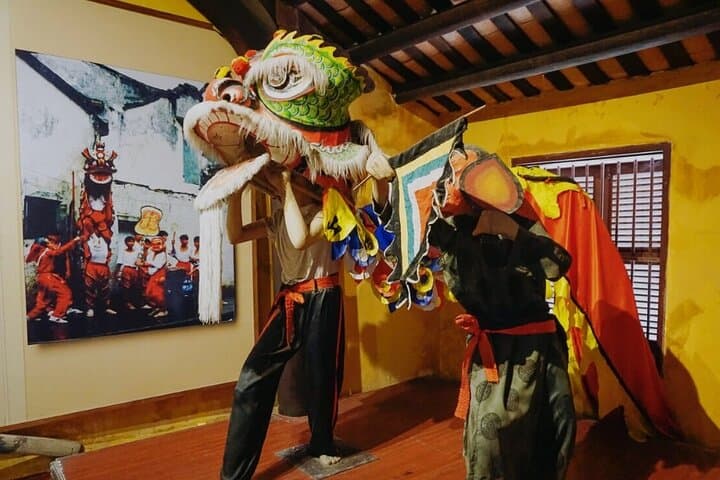
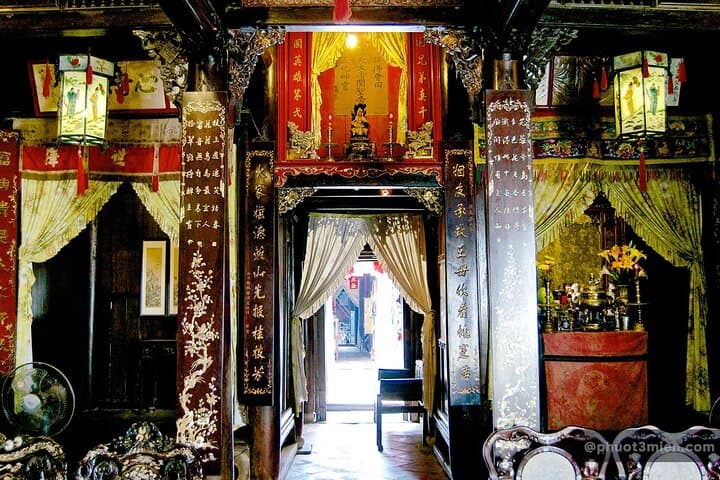
Dawn light slips over tiled roofs as walkers gather on a quiet street in Hoi An, the air threaded with coffee steam and the savory smell of frying bread. The tour opens with banh mi op la and a strong cup of Vietnamese coffee, then moves through lantern-lit alleys toward the Japanese Covered Bridge and the ornate Fujian Assembly Hall. The town’s layered history—Chinese merchants, Japanese traders, Vietnamese artisans—shows up in rooflines, carved wooden panels, and market chatter.
Dawn light slips over tiled roofs as walkers gather on a quiet street in Hoi An, the air threaded with coffee steam and the savory smell of frying bread. The tour opens with banh mi op la and a strong cup of Vietnamese coffee, then moves through lantern-lit alleys toward the Japanese Covered Bridge and the ornate Fujian Assembly Hall. The town’s layered history—Chinese merchants, Japanese traders, Vietnamese artisans—shows up in rooflines, carved wooden panels, and market chatter.
Geologically the Thu Bon River shaped Hoi An’s role as a trading port; sedimentary flats created the shallow channels that once brought junks and now frame the town’s riverside life. Culturally, Hoi An is a living craft center: tailors, lantern-makers and tea vendors keep centuries-old techniques in daily use. Expect hands-on sensory moments at the central market—herbs, rice noodles, and slices of cao lau served in wan light—then a local, 15-minute foot massage to close the morning.
Practical guidance: arrive hungry but not starving (the guide suggests a light breakfast), wear comfortable, grippy shoes for uneven paving, and carry cash for market purchases and street snacks. Tours run about five hours with hotel pickup; vegetarian options are available on request. Morning timing avoids midday heat and gives better light for photos. Bring a small bottle of water and an umbrella in monsoon months. This is a low-effort cultural walk that rewards attention to flavor, architectural detail, and the soft rhythm of a riverside town waking up.