THE ADVENTURE COLLECTIVE® · Independent discovery and booking for outdoor travel

Glide through mangrove tunnels and pedal-powered Hobie kayaks across Estero Bay to a private shell beach, where dolphins and manatees are common. This 2.5-hour guided tour pairs comfortable gear with local natural history for easy, family-friendly exploration.
Glide through mangrove tunnels and pedal-powered Hobie kayaks across Estero Bay to a private shell beach, where dolphins and manatees are common. This 2.5-hour guided tour pairs comfortable gear with local natural history for easy, family-friendly exploration.
You push off under the low span of Big Hickory Pass bridge and the world shrinks to a narrow channel of glassy water edged by mangroves. The Hobie Mirage pedals purr beneath your legs; the seat supports your back while a guide points out a flash of dolphin or the slow rise of a manatee. Salt air and the faint rasp of shorebirds set the pace.
Verified experiences and guided adventures in the surrounding area.
Operated by Mike's Coastal Expeditions · Bonita Springs, Florida
You push off under the low span of Big Hickory Pass bridge and the world shrinks to a narrow channel of glassy water edged by mangroves. The Hobie Mirage pedals purr beneath your legs; the seat supports your back while a guide points out a flash of dolphin or the slow rise of a manatee. Salt air and the faint rasp of shorebirds set the pace.
This stretch of Southwest Florida sits on a shallow, estuarine shelf shaped by Pleistocene shell ridges and contemporary tidal flows. Indigenous peoples—most notably the Calusa—fished these bays for centuries; today the area’s culture still orbits the water: commercial fishing, shelling, and guided eco-tours. Geologically the islands are barrier spits and shell deposits; ecologically they’re nursery grounds for snook, rays, and seagrass-dependent species.
Expect a leisurely 2.5-hour paddle that alternates open Gulf views with tight mangrove tunnels. Guides provide dry bags, mesh shelling sacks, life jackets, and complimentary photos; trips visit a private shell beach and include instruction on Hobie Mirage pedal drives. Wildlife sightings are common in calm tidal windows; wind and tide determine whether you explore the bay or the Gulf.
Practical: arrive with reef-safe sunscreen, a hat, and a refillable bottle; wear quick-dry clothing and water shoes. Trip difficulty is easy—suitable for first-timers—but watch weather forecasts and book morning slots for calmer seas and cooler temperatures. Leave no trace: pack out shells you collect that are not attached to living organisms and respect wildlife distances.
easy.
2.5 hours.
Light aerobic fitness; suitable for people comfortable sitting and using leg-driven pedal systems for moderate periods
No—tandem and single Hobie kayaks have pedal drives and guides provide a brief lesson; trips are rated easy for all fitness levels.
Common sightings include bottlenose dolphins, West Indian manatees, shorebirds, and occasionally rays and juvenile gamefish.
Yes—operators typically allow families; age and weight limits vary, so confirm with the booking and indicate special requirements.
Tours cancel for dangerous weather; full refunds are available if cancelled at least 24 hours prior or if bad weather prevents the trip.
Estero Bay’s shores were long used by the Calusa and other Native groups for fishing and shell middens; the modern coastal economy still centers on fishing and eco-tourism.
Seagrass beds and mangroves are critical nurseries—stay in designated channels, avoid trampling seagrass, and follow guides’ distance rules around wildlife.
Mike's Coastal Expeditions operates guided outdoor trips and adventures with an emphasis on safety, stewardship, and memorable experiences.
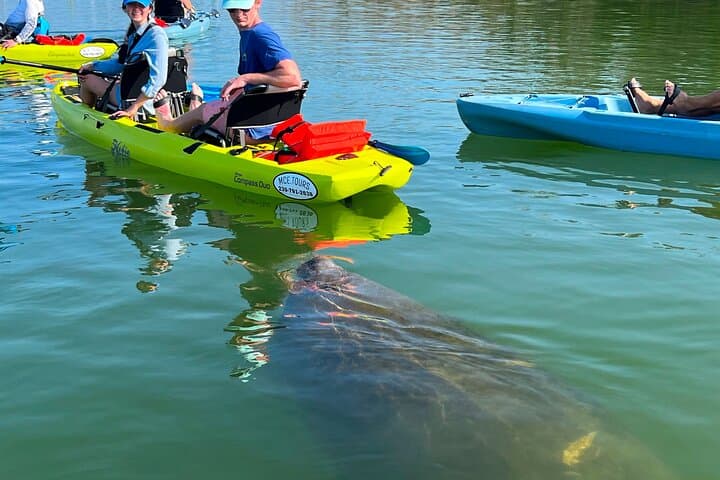
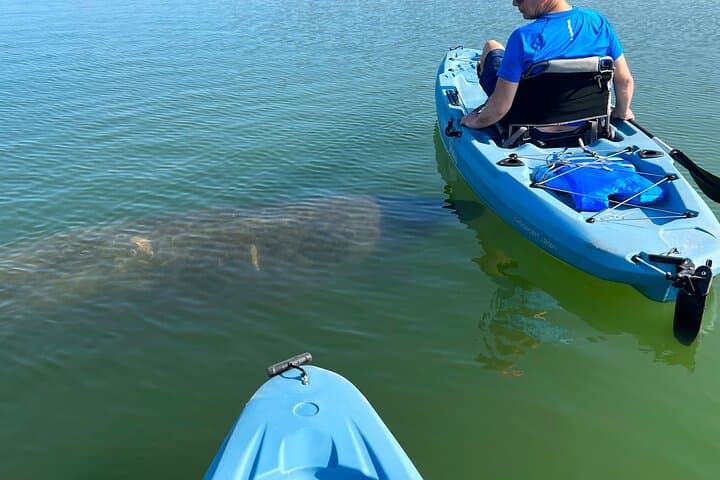
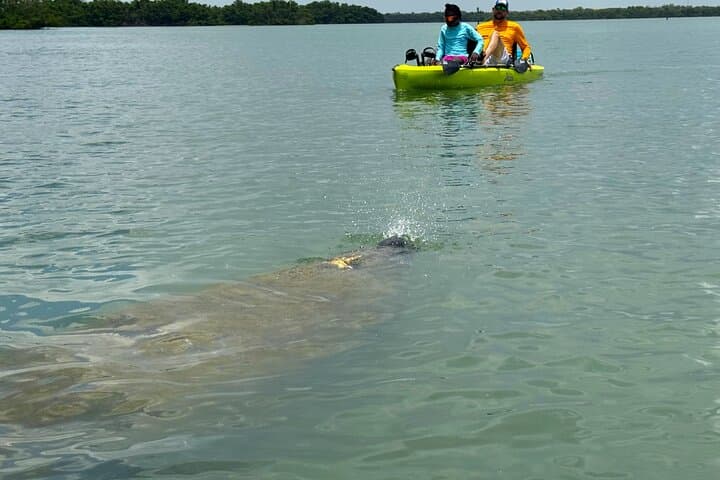
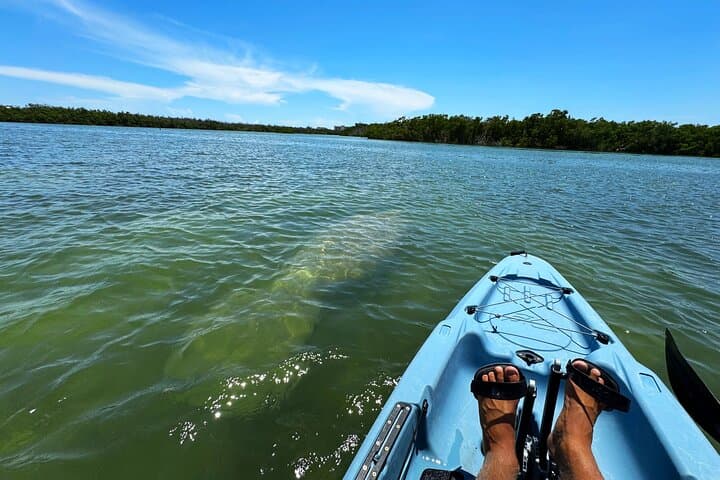
You push off under the low span of Big Hickory Pass bridge and the world shrinks to a narrow channel of glassy water edged by mangroves. The Hobie Mirage pedals purr beneath your legs; the seat supports your back while a guide points out a flash of dolphin or the slow rise of a manatee. Salt air and the faint rasp of shorebirds set the pace.
You push off under the low span of Big Hickory Pass bridge and the world shrinks to a narrow channel of glassy water edged by mangroves. The Hobie Mirage pedals purr beneath your legs; the seat supports your back while a guide points out a flash of dolphin or the slow rise of a manatee. Salt air and the faint rasp of shorebirds set the pace.
This stretch of Southwest Florida sits on a shallow, estuarine shelf shaped by Pleistocene shell ridges and contemporary tidal flows. Indigenous peoples—most notably the Calusa—fished these bays for centuries; today the area’s culture still orbits the water: commercial fishing, shelling, and guided eco-tours. Geologically the islands are barrier spits and shell deposits; ecologically they’re nursery grounds for snook, rays, and seagrass-dependent species.
Expect a leisurely 2.5-hour paddle that alternates open Gulf views with tight mangrove tunnels. Guides provide dry bags, mesh shelling sacks, life jackets, and complimentary photos; trips visit a private shell beach and include instruction on Hobie Mirage pedal drives. Wildlife sightings are common in calm tidal windows; wind and tide determine whether you explore the bay or the Gulf.
Practical: arrive with reef-safe sunscreen, a hat, and a refillable bottle; wear quick-dry clothing and water shoes. Trip difficulty is easy—suitable for first-timers—but watch weather forecasts and book morning slots for calmer seas and cooler temperatures. Leave no trace: pack out shells you collect that are not attached to living organisms and respect wildlife distances.