THE ADVENTURE COLLECTIVE® · Independent discovery and booking for outdoor travel

Spend a single day moving from cinematic Hobbiton to the geothermal heart of Rotorua. This private tour pairs a guided Hobbiton Movie Set walk with Te Puia’s geysers, Māori culture and kiwi viewing—ideal for travelers who want both crafted film scenery and raw geology in one long day.
Spend a single day moving from cinematic Hobbiton to the geothermal heart of Rotorua. This private tour pairs a guided Hobbiton Movie Set walk with Te Puia’s geysers, Māori culture and kiwi viewing—ideal for travelers who want both crafted film scenery and raw geology in one long day.
You step into the bus before dawn in Auckland, coffee cooling in the holder, and the highway opens toward rolling farmland. The Kaimai foothills slide past like a green page; by midday the Shire appears—curved doors, smoke rising from tiny chimneys, and a pub that seems to invite conversation.
Verified experiences and guided adventures in the surrounding area.
Operated by ExperienceKart · Matamata, Waikato
You step into the bus before dawn in Auckland, coffee cooling in the holder, and the highway opens toward rolling farmland. The Kaimai foothills slide past like a green page; by midday the Shire appears—curved doors, smoke rising from tiny chimneys, and a pub that seems to invite conversation.
The day paired here connects two strong identities of New Zealand. Hobbiton, built atop pastoral Waikato farmland, is filmcraft made tangible: careful stonework, lawns trimmed to cinematic scale and props that tell how the movies layered illusion on real topography. Later, Te Puia in Rotorua flips the script—geology takes center stage. Whakarewarewa’s steaming vents, boiling mud pools and Pōhutu Geyser erupt with geothermal force shaped by the Taupō Volcanic Zone beneath your feet.
Culture threads both stops. Hobbiton shows a staged rurality that became global folklore; Te Puia carries living Māori arts—carving, weaving and hangi cooking—and a nocturnal kiwi house that connects wildlife to culture.
Practically: expect a full 12–13 hour day with guided walking at each site, uneven paths and stairs. Wear sturdy shoes, layer for alternating sun and geothermal steam, and carry a refill bottle; refreshments and lunch are included. Cameras are essential, but so is patience—the two-hour Hobbiton tour moves on a schedule and Pōhutu erupts intermittently. This is a long, sensory day of set dressing and raw earth—film magic followed by natural spectacle.
easy.
12–13 hours.
Light to moderate fitness; must be able to walk for 1–2 hour guided tours, climb stairs and manage uneven surfaces.
The private tour is about 12–13 hours with complimentary pickup and drop-off from most Auckland CBD locations; confirm your pickup point when booking.
Yes—this tour includes a hangi buffet lunch at Te Puia and complimentary onboard refreshments and water.
Te Puia includes access to a nocturnal kiwi house where you may see captive kiwi; sightings are common but not guaranteed.
The tour is family-friendly but involves walking on unpaved terrain and stairs; stroller access is noted for some areas—check accessibility needs with the operator.
Hobbiton was created as a permanent film set on private farmland after production, while Te Puia sits in the Whakarewarewa valley, a geothermal landscape long used by Māori for cooking and bathing.
Both sites manage visitor impact—Hobbiton restricts off-trail access to protect farmland and Te Puia enforces boardwalks to protect geothermal features and native bush.
ExperienceKart operates guided outdoor trips and adventures with an emphasis on safety, stewardship, and memorable experiences.
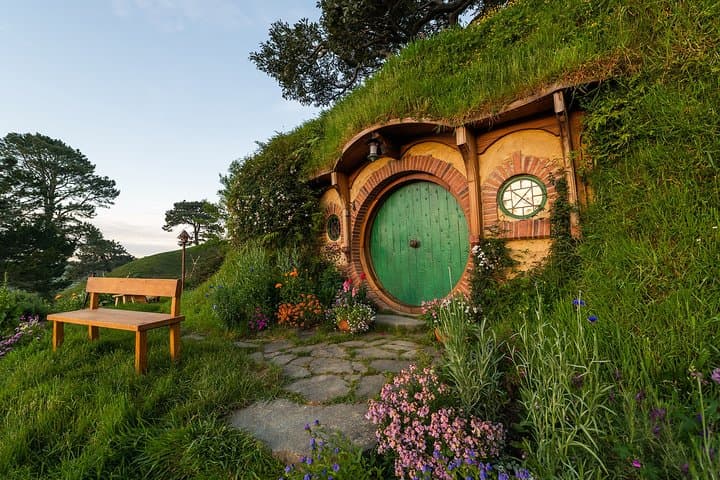
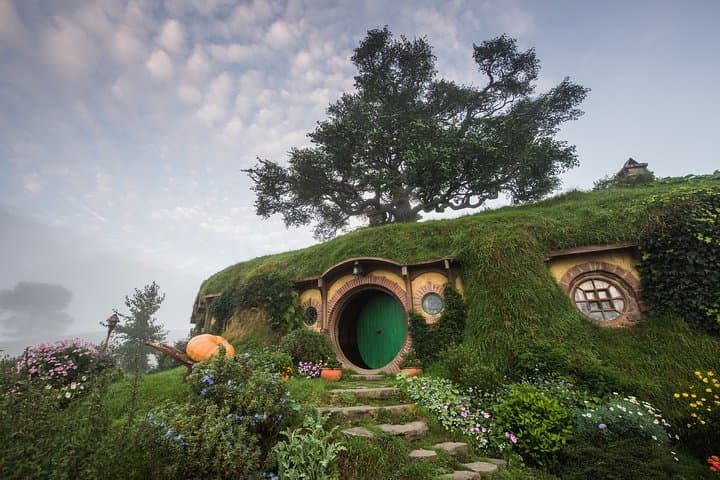
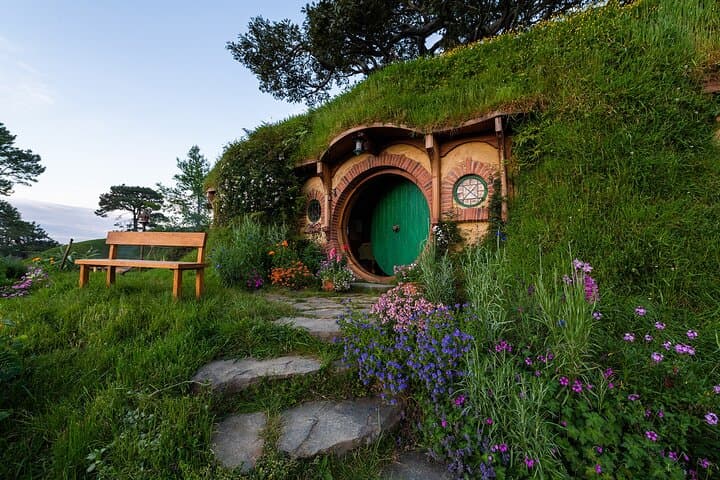
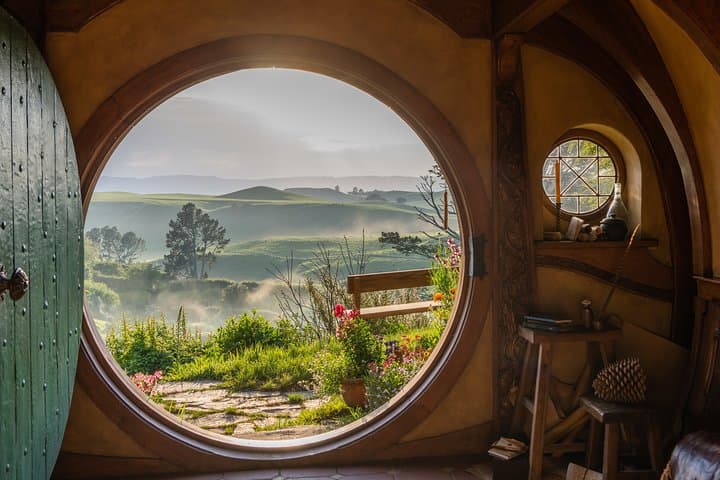
You step into the bus before dawn in Auckland, coffee cooling in the holder, and the highway opens toward rolling farmland. The Kaimai foothills slide past like a green page; by midday the Shire appears—curved doors, smoke rising from tiny chimneys, and a pub that seems to invite conversation.
You step into the bus before dawn in Auckland, coffee cooling in the holder, and the highway opens toward rolling farmland. The Kaimai foothills slide past like a green page; by midday the Shire appears—curved doors, smoke rising from tiny chimneys, and a pub that seems to invite conversation.
The day paired here connects two strong identities of New Zealand. Hobbiton, built atop pastoral Waikato farmland, is filmcraft made tangible: careful stonework, lawns trimmed to cinematic scale and props that tell how the movies layered illusion on real topography. Later, Te Puia in Rotorua flips the script—geology takes center stage. Whakarewarewa’s steaming vents, boiling mud pools and Pōhutu Geyser erupt with geothermal force shaped by the Taupō Volcanic Zone beneath your feet.
Culture threads both stops. Hobbiton shows a staged rurality that became global folklore; Te Puia carries living Māori arts—carving, weaving and hangi cooking—and a nocturnal kiwi house that connects wildlife to culture.
Practically: expect a full 12–13 hour day with guided walking at each site, uneven paths and stairs. Wear sturdy shoes, layer for alternating sun and geothermal steam, and carry a refill bottle; refreshments and lunch are included. Cameras are essential, but so is patience—the two-hour Hobbiton tour moves on a schedule and Pōhutu erupts intermittently. This is a long, sensory day of set dressing and raw earth—film magic followed by natural spectacle.