THE ADVENTURE COLLECTIVE® · Independent discovery and booking for outdoor travel

Step from ship to sandstone streets on this easy four-hour shore excursion that pairs Hobart viewpoints with a visit to Richmond’s convict-era village. Expect short walks, panoramic photo stops, and a close study in Tasmanian colonial history.
Step from ship to sandstone streets on this easy four-hour shore excursion that pairs Hobart viewpoints with a visit to Richmond’s convict-era village. Expect short walks, panoramic photo stops, and a close study in Tasmanian colonial history.
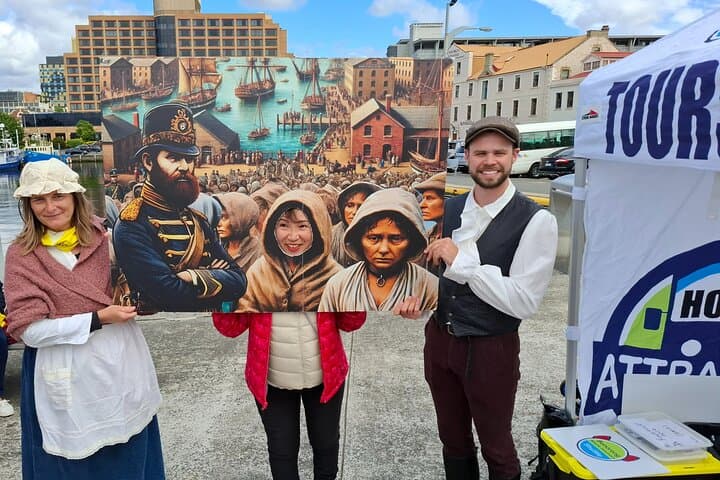
You step off the ship into salty air and the low thrum of the waterfront — Hunter Street crowds funnel toward Salamanca Place where sandstone warehouses stand blunt and honest against the sky.
Verified experiences and guided adventures in the surrounding area.
Operated by eGuide · Hobart, Tasmania
You step off the ship into salty air and the low thrum of the waterfront — Hunter Street crowds funnel toward Salamanca Place where sandstone warehouses stand blunt and honest against the sky.
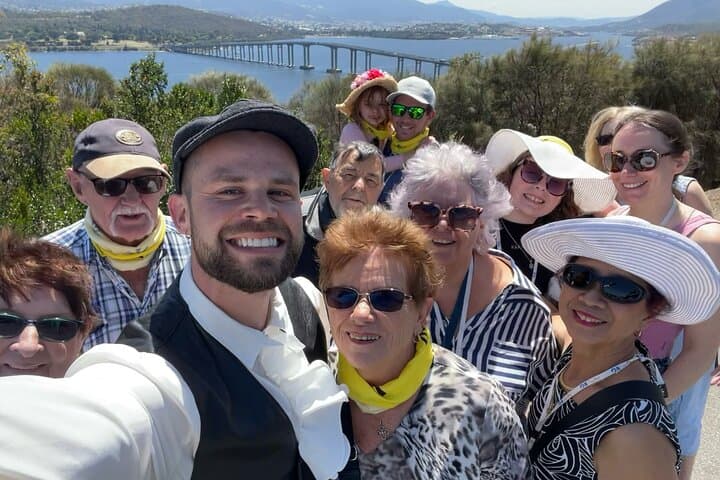
The bus eases into Battery Point, its narrow lanes and timber cottages keeping the pace human-sized. The guide traces Hobart’s convict roots as the River Derwent pushes light across the estuary; Mount Nelson Lookout waits above, offering a clean, long-view of town, harbor, and the hills beyond — a perfect photo pause.
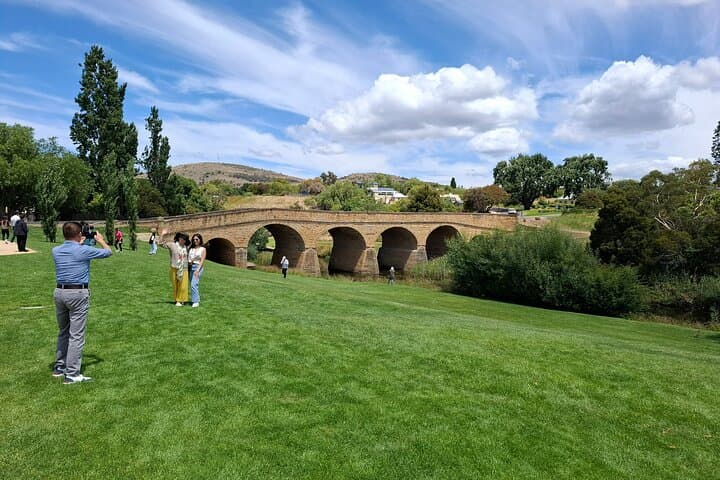
Leaving the city behind, the landscape opens into the Coal River Valley: rolling pasture, stone walls, and the convict-built Richmond Bridge, completed in 1823. Richmond’s streets keep their 19th-century plan — cobbles, a small gaol, St John’s Church — and its cafés and boutique shops make a comfortable place to stretch legs and sample local fare.
Geology here is simple and visible: sandstone and dolerite underlie Hobart’s built fabric and hillforms; the estuary’s tidal pulse shaped the waterfront quays. Culturally, the tour compresses colonial history into a few striking sites, with guides offering context without rushing.
Practical notes: the excursion runs about four hours with short walks on uneven surfaces; allow time for photos at Mount Nelson and roughly an hour for Richmond exploration. Wear grippy shoes and layered clothing — coastal winds can change fast — and bring a small amount of local cash for markets or cafés. The operator returns you to Franklin Wharf in time for ship departure, making this a straightforward way to add historic Tasmania to your itinerary.
easy.
4 hours.
Suitable for most fitness levels; involves short, gentle walks and standing during photo stops
The tour is approximately four hours with a guaranteed return to the cruise terminal in time for departure.
The tour is rated easy with short on-foot segments; some cobbled streets and a few steps mean it may not be fully wheelchair-accessible although stroller access is available.
Transport and a Hobart buff souvenir are included; food, drinks, and museum admissions in Richmond are not included.
The excursion runs in most conditions; check the cancellation policy for refunds which requires notice at least 24 hours before departure for a full refund.
Hobart’s early European settlement and Richmond’s buildings are products of the convict era; Richmond Bridge (1823) is Australia’s oldest stone bridge still in use.
Respect heritage sites by staying on marked paths and supporting local businesses; tourism revenue funds preservation of historic buildings and landscape maintenance.
eGuide operates guided outdoor trips and adventures with an emphasis on safety, stewardship, and memorable experiences.

You step off the ship into salty air and the low thrum of the waterfront — Hunter Street crowds funnel toward Salamanca Place where sandstone warehouses stand blunt and honest against the sky.
You step off the ship into salty air and the low thrum of the waterfront — Hunter Street crowds funnel toward Salamanca Place where sandstone warehouses stand blunt and honest against the sky.
The bus eases into Battery Point, its narrow lanes and timber cottages keeping the pace human-sized. The guide traces Hobart’s convict roots as the River Derwent pushes light across the estuary; Mount Nelson Lookout waits above, offering a clean, long-view of town, harbor, and the hills beyond — a perfect photo pause.
Leaving the city behind, the landscape opens into the Coal River Valley: rolling pasture, stone walls, and the convict-built Richmond Bridge, completed in 1823. Richmond’s streets keep their 19th-century plan — cobbles, a small gaol, St John’s Church — and its cafés and boutique shops make a comfortable place to stretch legs and sample local fare.
Geology here is simple and visible: sandstone and dolerite underlie Hobart’s built fabric and hillforms; the estuary’s tidal pulse shaped the waterfront quays. Culturally, the tour compresses colonial history into a few striking sites, with guides offering context without rushing.
Practical notes: the excursion runs about four hours with short walks on uneven surfaces; allow time for photos at Mount Nelson and roughly an hour for Richmond exploration. Wear grippy shoes and layered clothing — coastal winds can change fast — and bring a small amount of local cash for markets or cafés. The operator returns you to Franklin Wharf in time for ship departure, making this a straightforward way to add historic Tasmania to your itinerary.