THE ADVENTURE COLLECTIVE® · Independent discovery and booking for outdoor travel

Explore Hobart’s colonial heart before ascending kunanyi / Mount Wellington for sweeping views over the River Derwent. This half-day shore excursion pairs Salamanca Place and Battery Point history with a summit stop for dramatic panoramas.
Explore Hobart’s colonial heart before ascending kunanyi / Mount Wellington for sweeping views over the River Derwent. This half-day shore excursion pairs Salamanca Place and Battery Point history with a summit stop for dramatic panoramas.
You step off the cruise ship into Hobart’s harbor air — salt and eucalyptus mixing as the bus eases away from the wharf and threads past Salamanca Place’s sandstone warehouses. The guide points to Battery Point’s tight lanes and timber cottages; history feels tangible here, in doorways and cobbled gutters.
Verified experiences and guided adventures in the surrounding area.
Operated by eGuide · Hobart, Tasmania
You step off the cruise ship into Hobart’s harbor air — salt and eucalyptus mixing as the bus eases away from the wharf and threads past Salamanca Place’s sandstone warehouses. The guide points to Battery Point’s tight lanes and timber cottages; history feels tangible here, in doorways and cobbled gutters.
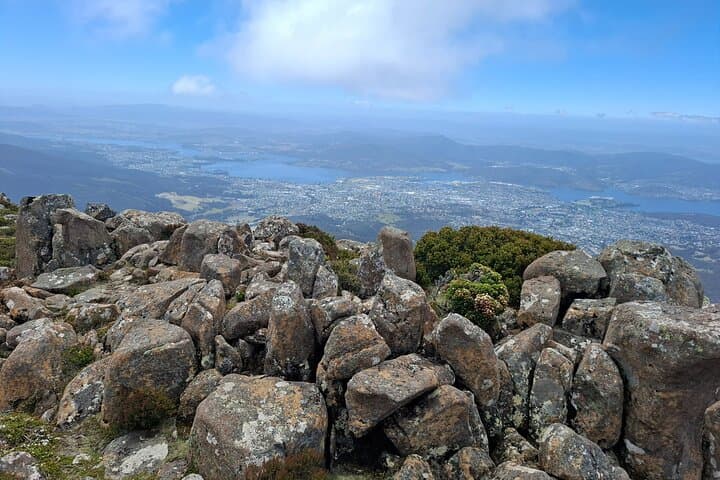
The route climbs toward Mount Nelson Lookout, then up the serpentine road to kunanyi / Mount Wellington. Eucalypt forest hushes the lower slopes; higher up, the trees thin and grey rock and alpine herbfields take over. From the summit platform the River Derwent sprawls below, Bruny Island punctuating the horizon, and the city seems small and steady beneath the mountain’s presence.
Hobart’s story—convict enterprise, 19th-century maritime trade and the Aboriginal connection to kunanyi—threads through the streets you pass. Geologically, the mountain is a dolerite-capped ridgeline carved by ancient weather and recent glacial action, its exposed pavements and button-grass plains revealing Tasmania’s cooler, wetter climate.
Practically: the tour is bus-led with short stops for photos and a 20–30 minute summit visit for brief walks and views. Weather changes fast on kunanyi; expect wind and cooler temperatures than the city. Bring layered clothing, a windproof shell and a reusable water bottle. Timing wise, morning light is best for Derwent panoramas and quieter roads; late afternoons can be cloudier.
For cruise passengers this is an accessible, compact introduction to Hobart’s cultural quarter and its mountain backdrop—informative, photo-ready and easy to fit into a port day.
easy.
3–4 hours.
Suitable for most fitness levels; mobility-friendly with only short walks at stops
Yes — the meeting point is a short walk from the cruise terminal and the itinerary is timed for port-day schedules with guaranteed on-time return.
Walking is limited to short strolls at lookouts and brief exploration at summit areas; most of the trip is bus-based.
The tour continues in most conditions but access to certain viewpoints can be limited by fog or high winds; cancellation policies apply if necessary.
The tour provides transportation and guidance only; bring snacks if you want more than a short refreshment during stops.
Hobart grew from an early 19th-century convict and maritime settlement; Salamanca Place’s sandstone warehouses reflect that commercial past, and the mountain retains the Aboriginal name kunanyi alongside its colonial name.
Kunanyi’s alpine flora is sensitive to trampling and erosion — stay on formed paths and avoid disturbing vegetation; local groups work on invasive species control and track maintenance.
eGuide operates guided outdoor trips and adventures with an emphasis on safety, stewardship, and memorable experiences.
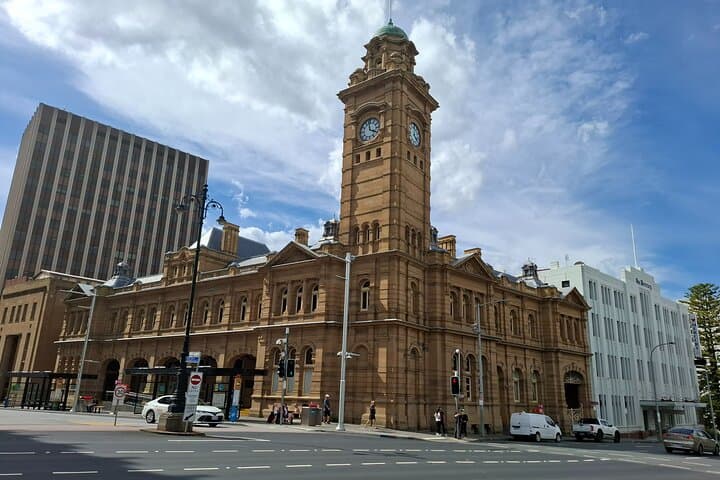
You step off the cruise ship into Hobart’s harbor air — salt and eucalyptus mixing as the bus eases away from the wharf and threads past Salamanca Place’s sandstone warehouses. The guide points to Battery Point’s tight lanes and timber cottages; history feels tangible here, in doorways and cobbled gutters.
You step off the cruise ship into Hobart’s harbor air — salt and eucalyptus mixing as the bus eases away from the wharf and threads past Salamanca Place’s sandstone warehouses. The guide points to Battery Point’s tight lanes and timber cottages; history feels tangible here, in doorways and cobbled gutters.
The route climbs toward Mount Nelson Lookout, then up the serpentine road to kunanyi / Mount Wellington. Eucalypt forest hushes the lower slopes; higher up, the trees thin and grey rock and alpine herbfields take over. From the summit platform the River Derwent sprawls below, Bruny Island punctuating the horizon, and the city seems small and steady beneath the mountain’s presence.
Hobart’s story—convict enterprise, 19th-century maritime trade and the Aboriginal connection to kunanyi—threads through the streets you pass. Geologically, the mountain is a dolerite-capped ridgeline carved by ancient weather and recent glacial action, its exposed pavements and button-grass plains revealing Tasmania’s cooler, wetter climate.
Practically: the tour is bus-led with short stops for photos and a 20–30 minute summit visit for brief walks and views. Weather changes fast on kunanyi; expect wind and cooler temperatures than the city. Bring layered clothing, a windproof shell and a reusable water bottle. Timing wise, morning light is best for Derwent panoramas and quieter roads; late afternoons can be cloudier.
For cruise passengers this is an accessible, compact introduction to Hobart’s cultural quarter and its mountain backdrop—informative, photo-ready and easy to fit into a port day.