THE ADVENTURE COLLECTIVE® · Independent discovery and booking for outdoor travel

Spend a day cycling from Da Nang into Hoa Bac valley to cook with local families, explore clear springs of the Cu Đê, and relax with an herbal foot soak. This hands‑on rural tour combines easy cycling, farm visits, and a cooking class for a tangible look at where urban food begins.
Spend a day cycling from Da Nang into Hoa Bac valley to cook with local families, explore clear springs of the Cu Đê, and relax with an herbal foot soak. This hands‑on rural tour combines easy cycling, farm visits, and a cooking class for a tangible look at where urban food begins.
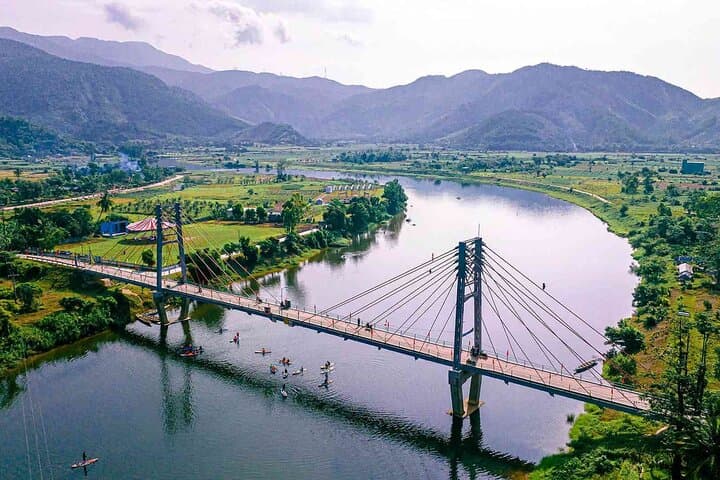
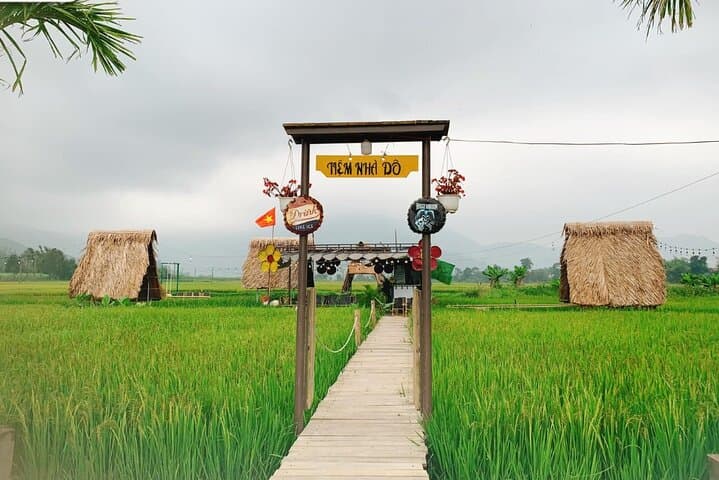
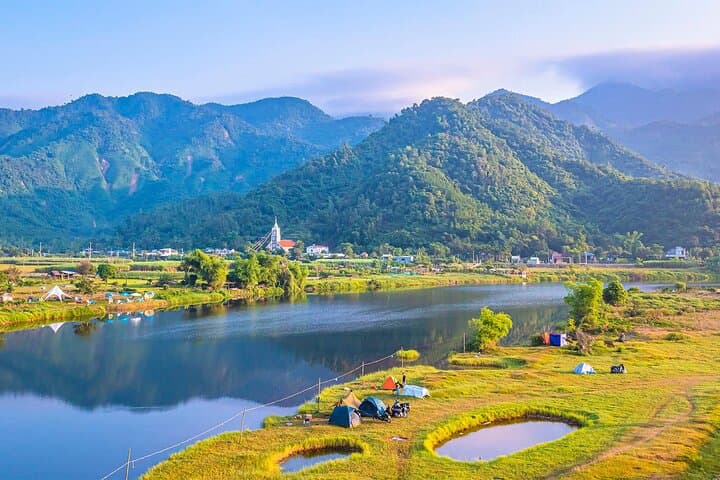
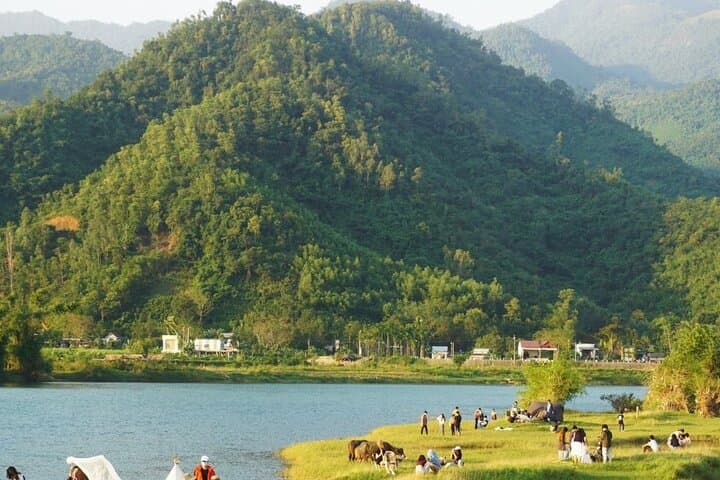
By 7:30 a.m. the coach slips out of Da Nang and the city’s heat gives way to green fields. Sugarcane rows and mulberry gardens blur past as you arrive in Hoa Bac, where bikes wait beside a low stone house and the scent of herbs rides on a cool valley wind.
Verified experiences and guided adventures in the surrounding area.
Operated by Sanna Tour JSC · Da Nang, Da Nang
By 7:30 a.m. the coach slips out of Da Nang and the city’s heat gives way to green fields. Sugarcane rows and mulberry gardens blur past as you arrive in Hoa Bac, where bikes wait beside a low stone house and the scent of herbs rides on a cool valley wind.
This one‑day loop threads culture, geology and simple foodways: villagers tend “garden–pond–livestock” farms that mirror centuries of smallholder techniques, and the Cu Đê’s clear tributaries here emerge from fractured limestone and volcanic soils that feed rice plots downstream. Ethnic minority groups maintain seed varieties and culinary practices, and the hands‑on cooking class centers those recipes — pick vegetables, learn charcoal and pan technique, then eat what you help prepare.
On two wheels you’ll follow flat to gently rolling backroads, cross dirt tracks and stand at shallow stream springs where water dares you to dip tired feet. The herbal foot soak that follows is an intentionally slow moment after a morning of steady pedaling.
Practicalities: expect 8–10 hours door‑to‑door, mostly easy grades with short unpaved sections; hire size‑appropriate bikes and bring padded shorts if you’re sensitive. Sunscreen, refillable water, and a light rain layer matter in the monsoon season. Respect private gardens, ask before photographing people, and pack out any plastic — community farms depend on clean water and soil.
By day’s end you return to Da Nang with full hands, a new recipe, and a clearer sense of where urban plates begin, and fresh friendships from the village too.
easy.
8–10 hours.
Suitable for most fitness levels; should be able to cycle for several hours and handle short walks on uneven ground
Graded easy with mostly flat terrain and short rolling sections; short unpaved stretches require basic bike handling.
Yes—local hosts can adjust meals for common dietary needs if notified in advance during booking.
Families with older children who can ride steadily are fine; infant seats are available and strollers usable at the farm.
An English‑speaking guide is included; translators for specific minority languages are not guaranteed.
The Hoa Bac area reflects longstanding smallholder systems in central Vietnam; the garden–pond–livestock model integrates aquaculture, vegetables and livestock in compact compounds.
Local farms emphasize organic and low‑chemical practices; visitors should minimize waste and avoid introducing soaps to streams to protect headwater quality.
Sanna Tour JSC operates guided outdoor trips and adventures with an emphasis on safety, stewardship, and memorable experiences.
By 7:30 a.m. the coach slips out of Da Nang and the city’s heat gives way to green fields. Sugarcane rows and mulberry gardens blur past as you arrive in Hoa Bac, where bikes wait beside a low stone house and the scent of herbs rides on a cool valley wind.
By 7:30 a.m. the coach slips out of Da Nang and the city’s heat gives way to green fields. Sugarcane rows and mulberry gardens blur past as you arrive in Hoa Bac, where bikes wait beside a low stone house and the scent of herbs rides on a cool valley wind.
This one‑day loop threads culture, geology and simple foodways: villagers tend “garden–pond–livestock” farms that mirror centuries of smallholder techniques, and the Cu Đê’s clear tributaries here emerge from fractured limestone and volcanic soils that feed rice plots downstream. Ethnic minority groups maintain seed varieties and culinary practices, and the hands‑on cooking class centers those recipes — pick vegetables, learn charcoal and pan technique, then eat what you help prepare.
On two wheels you’ll follow flat to gently rolling backroads, cross dirt tracks and stand at shallow stream springs where water dares you to dip tired feet. The herbal foot soak that follows is an intentionally slow moment after a morning of steady pedaling.
Practicalities: expect 8–10 hours door‑to‑door, mostly easy grades with short unpaved sections; hire size‑appropriate bikes and bring padded shorts if you’re sensitive. Sunscreen, refillable water, and a light rain layer matter in the monsoon season. Respect private gardens, ask before photographing people, and pack out any plastic — community farms depend on clean water and soil.
By day’s end you return to Da Nang with full hands, a new recipe, and a clearer sense of where urban plates begin, and fresh friendships from the village too.