THE ADVENTURE COLLECTIVE® · Independent discovery and booking for outdoor travel

Learn Vietnamese classics from market stall to dinner plate—including an egg coffee masterclass. This intimate, hands-on cooking experience combines a guided market visit with practical techniques you can reproduce at home.
Learn Vietnamese classics from market stall to dinner plate—including an egg coffee masterclass. This intimate, hands-on cooking experience combines a guided market visit with practical techniques you can reproduce at home.
Morning light cuts through the open stalls of a Ho Chi Minh market—fish glistening on crushed ice, bundles of coriander releasing a citrusy scent, vendors calling prices in quick, rhythmic bursts. In this market-to-table cooking class participants move from bargaining lanes into a compact teaching kitchen where worn clay pots and gleaming knives meet modern sanitation and patient chefs.
Verified experiences and guided adventures in the surrounding area.
Operated by Vietnam Flavour Cooking Class · Ho Chi Minh City, Ho Chi Minh
Morning light cuts through the open stalls of a Ho Chi Minh market—fish glistening on crushed ice, bundles of coriander releasing a citrusy scent, vendors calling prices in quick, rhythmic bursts. In this market-to-table cooking class participants move from bargaining lanes into a compact teaching kitchen where worn clay pots and gleaming knives meet modern sanitation and patient chefs.
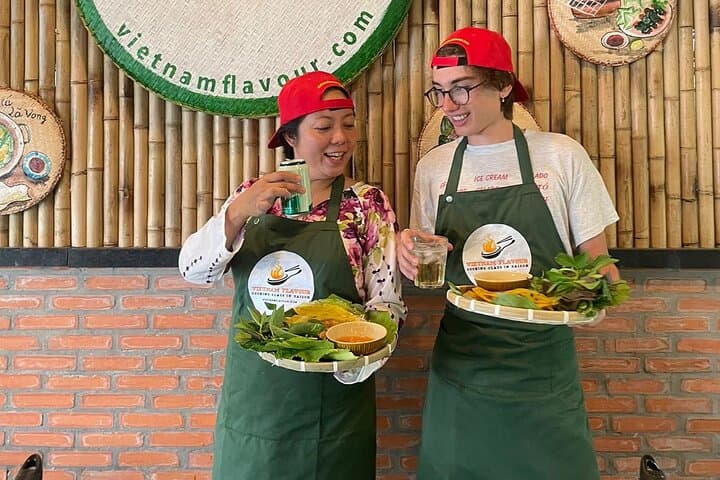
Vietnamese cooking bears the fingerprints of centuries: Chinese techniques in stir-fries, French influence in banh mi and pâté, and regional spice balances that shift between Mekong sweetness and coastal salt. The class pairs a guided market tour—identifying fish sauce brands, fresh herbs, and seasonal produce—with hands-on lessons in classics like pho ga, banh xeo, and caramelized pork, capped by an egg coffee session that walks through yolk-whipping and temperature control.
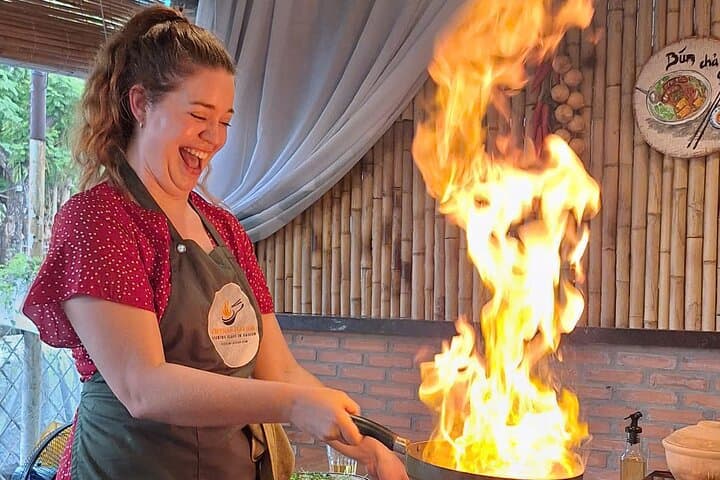
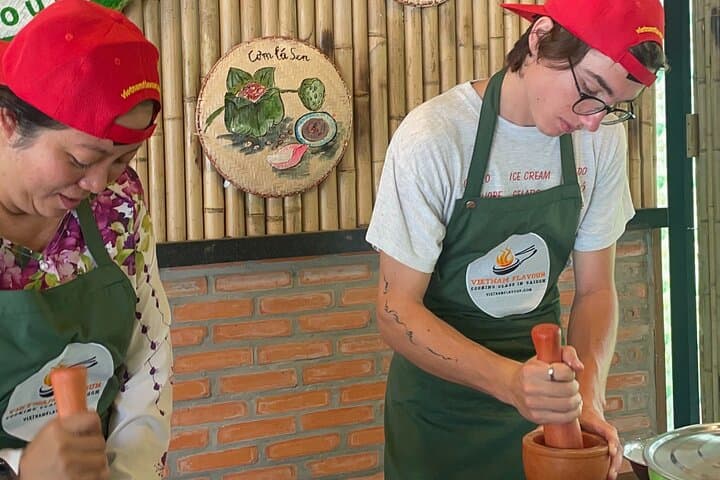
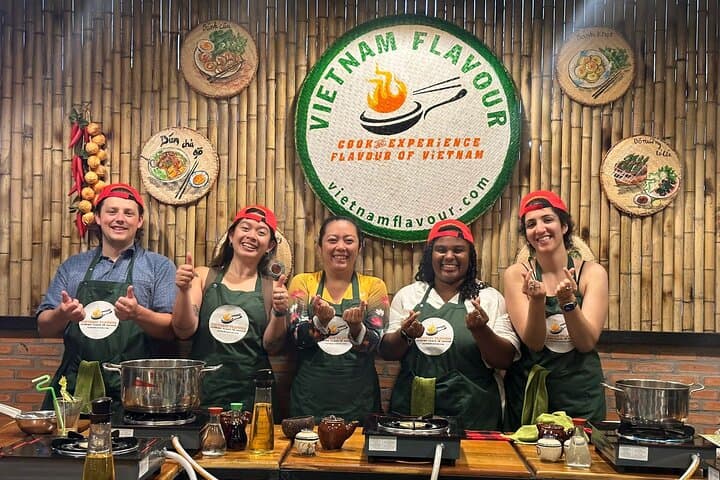
Expect tight-group instruction (typically under eight), tactile learning—rolling rice paper, tamping mortar-and-pestle pastes—and recipes to take home. Chefs emphasize technique: how to coax sweetness from palm sugar, the right simmer for clay-pot braises, and balancing nuoc cham. Practical tips cover hygiene, lane etiquette at markets, and how to shop for authentic ingredients abroad.
This experience suits travelers wanting cultural immersion through food rather than passive dining. Bring comfortable shoes for walking markets, a small bag for purchases, and an appetite for hands-on learning. Timing classes for morning markets gives the freshest produce; afternoon sessions offer a slower pace in cooler kitchens. Leave with recipes, local pantry recommendations, and confidence to recreate Vietnamese flavors at home.
easy.
4 hours.
Light activity—comfortable for most travelers who can stand and walk for short periods
Yes—vegetarian and halal variations are available if you note your needs when booking.
Most classes are taught in English with local chef-guides; check the operator if you need another language.
Infants in strollers are allowed, but the operator notes the experience is not recommended for children under 6.
You can cancel for a full refund up to 24 hours before the scheduled start time per the standard policy.
Vietnamese street and home cooking blend indigenous Southeast Asian, Chinese, and French influences—markets have long been social and commercial hubs in Saigon’s history.
Many classes encourage reducing food waste and single-use plastics—bring a reusable bag and ask about sustainable sourcing of proteins and seafood.
Vietnam Flavour Cooking Class operates guided outdoor trips and adventures with an emphasis on safety, stewardship, and memorable experiences.
Morning light cuts through the open stalls of a Ho Chi Minh market—fish glistening on crushed ice, bundles of coriander releasing a citrusy scent, vendors calling prices in quick, rhythmic bursts. In this market-to-table cooking class participants move from bargaining lanes into a compact teaching kitchen where worn clay pots and gleaming knives meet modern sanitation and patient chefs.
Morning light cuts through the open stalls of a Ho Chi Minh market—fish glistening on crushed ice, bundles of coriander releasing a citrusy scent, vendors calling prices in quick, rhythmic bursts. In this market-to-table cooking class participants move from bargaining lanes into a compact teaching kitchen where worn clay pots and gleaming knives meet modern sanitation and patient chefs.
Vietnamese cooking bears the fingerprints of centuries: Chinese techniques in stir-fries, French influence in banh mi and pâté, and regional spice balances that shift between Mekong sweetness and coastal salt. The class pairs a guided market tour—identifying fish sauce brands, fresh herbs, and seasonal produce—with hands-on lessons in classics like pho ga, banh xeo, and caramelized pork, capped by an egg coffee session that walks through yolk-whipping and temperature control.
Expect tight-group instruction (typically under eight), tactile learning—rolling rice paper, tamping mortar-and-pestle pastes—and recipes to take home. Chefs emphasize technique: how to coax sweetness from palm sugar, the right simmer for clay-pot braises, and balancing nuoc cham. Practical tips cover hygiene, lane etiquette at markets, and how to shop for authentic ingredients abroad.
This experience suits travelers wanting cultural immersion through food rather than passive dining. Bring comfortable shoes for walking markets, a small bag for purchases, and an appetite for hands-on learning. Timing classes for morning markets gives the freshest produce; afternoon sessions offer a slower pace in cooler kitchens. Leave with recipes, local pantry recommendations, and confidence to recreate Vietnamese flavors at home.