THE ADVENTURE COLLECTIVE® · Independent discovery and booking for outdoor travel

A private, customizable half-day tour that threads Ho Chi Minh City’s colonial landmarks, war history, vibrant markets and spiritual sites into a concise introduction to Saigon’s layered character.
A private, customizable half-day tour that threads Ho Chi Minh City’s colonial landmarks, war history, vibrant markets and spiritual sites into a concise introduction to Saigon’s layered character.
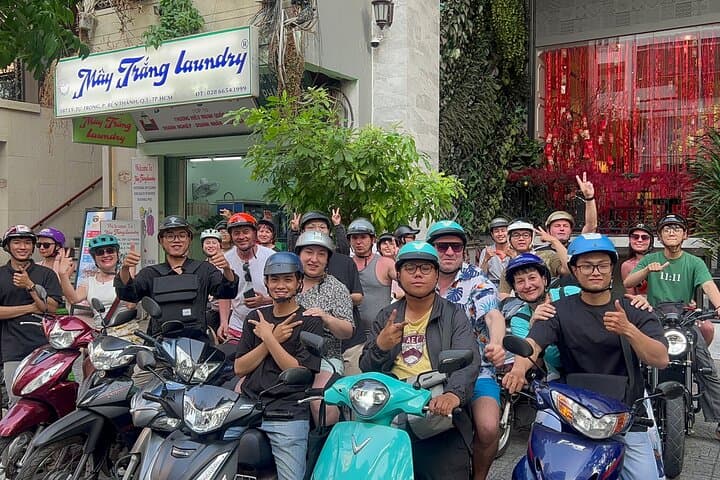
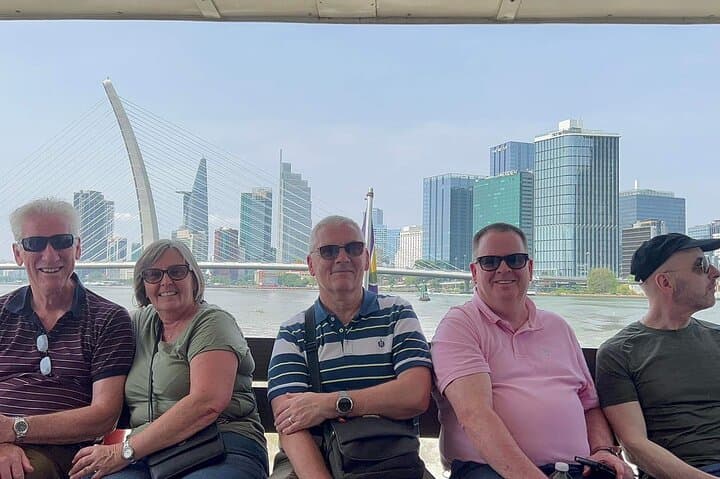
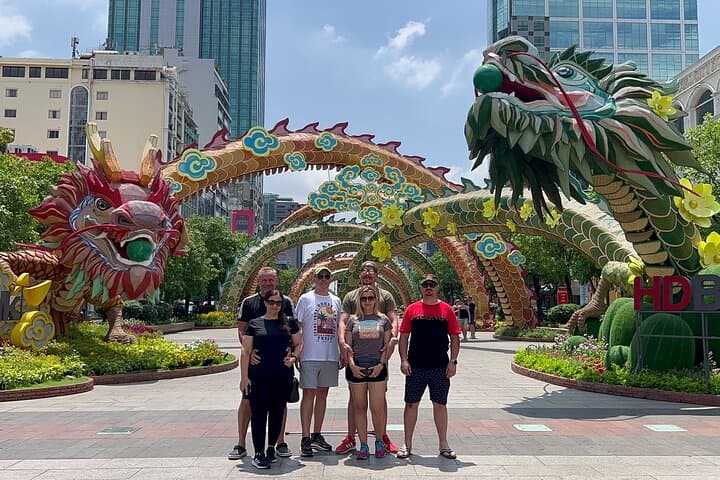
You step from a shaded car into the hum of District 1 — motorbikes weaving like shoals, the Saigon River glinting just beyond. A local guide folds the city’s shape into a single afternoon: colonial facades, war museums, pagodas, and the quick commerce of a flower market. The tour moves at a chosen pace — on foot, by car, cyclo, jeep or motorbike — so each street has room to breathe.
Verified experiences and guided adventures in the surrounding area.
Operated by Vietnam - Ho Chi Minh City Package Tours · Ho Chi Minh City, Ho Chi Minh
You step from a shaded car into the hum of District 1 — motorbikes weaving like shoals, the Saigon River glinting just beyond. A local guide folds the city’s shape into a single afternoon: colonial facades, war museums, pagodas, and the quick commerce of a flower market. The tour moves at a chosen pace — on foot, by car, cyclo, jeep or motorbike — so each street has room to breathe.
Ho Chi Minh City is a living crossroads. French Indochina architecture (Post Office, Opera House) shares blocks with glassy new towers; the Reunification Palace marks a geopolitical turning point from 1975, while the War Remnants Museum frames 20th-century conflict through photographs and artifacts. Chinatown’s pagodas and the flower market reveal Chinese-Vietnamese traditions and daily rhythms that predate modern developments.
Practical guidance is direct: plan the War Remnants Museum early — it closes in the evening — and allow time for short stops at the Thích Quảng Đức monument and a local pagoda. Traffic dictates timing; rush hours compress travel and extend short distances. Bring small bills for market purchases and tip modestly for good service. Wear closed-toe shoes for walking and a light layer for indoor museum air conditioning. Photography is welcomed at most exteriors but ask before shooting inside religious sites or when people are working.
This private itinerary suits first-time visitors seeking context as well as repeat travelers wanting deeper local color. Customize transport mode to match energy and mobility: choose a cyclo for slow neighborhood discovery or a motorbike for efficient coverage of the city’s major narratives.
easy.
3–4 hours.
Suitable for most fitness levels; involves moderate walking on paved streets and some stairs in museums and pagodas.
Some parts of District 1 and the Reunification Palace grounds are accessible, but older buildings and pagodas often have steps; confirm accessibility needs when booking.
Yes — the private format allows swapping sites, choosing transport (car, motorbike, cyclo) and adjusting pacing to focus on history, markets or neighborhoods.
Typical bookings do not include museum admission; check the booking details and have cash or card available for tickets.
Tipping is customary but discretionary; a modest tip for good service is appreciated and common practice.
District 1 preserves Saigon’s colonial urban core and contains the Reunification Palace, site of the 1975 end of the Vietnam War; Chinatown reflects centuries of Chinese-Vietnamese trade and culture.
Traffic congestion and river pollution are local challenges; choose walking or cyclo legs and support markets and cafes that minimize single-use plastics.
Vietnam - Ho Chi Minh City Package Tours operates guided outdoor trips and adventures with an emphasis on safety, stewardship, and memorable experiences.
You step from a shaded car into the hum of District 1 — motorbikes weaving like shoals, the Saigon River glinting just beyond. A local guide folds the city’s shape into a single afternoon: colonial facades, war museums, pagodas, and the quick commerce of a flower market. The tour moves at a chosen pace — on foot, by car, cyclo, jeep or motorbike — so each street has room to breathe.
You step from a shaded car into the hum of District 1 — motorbikes weaving like shoals, the Saigon River glinting just beyond. A local guide folds the city’s shape into a single afternoon: colonial facades, war museums, pagodas, and the quick commerce of a flower market. The tour moves at a chosen pace — on foot, by car, cyclo, jeep or motorbike — so each street has room to breathe.
Ho Chi Minh City is a living crossroads. French Indochina architecture (Post Office, Opera House) shares blocks with glassy new towers; the Reunification Palace marks a geopolitical turning point from 1975, while the War Remnants Museum frames 20th-century conflict through photographs and artifacts. Chinatown’s pagodas and the flower market reveal Chinese-Vietnamese traditions and daily rhythms that predate modern developments.
Practical guidance is direct: plan the War Remnants Museum early — it closes in the evening — and allow time for short stops at the Thích Quảng Đức monument and a local pagoda. Traffic dictates timing; rush hours compress travel and extend short distances. Bring small bills for market purchases and tip modestly for good service. Wear closed-toe shoes for walking and a light layer for indoor museum air conditioning. Photography is welcomed at most exteriors but ask before shooting inside religious sites or when people are working.
This private itinerary suits first-time visitors seeking context as well as repeat travelers wanting deeper local color. Customize transport mode to match energy and mobility: choose a cyclo for slow neighborhood discovery or a motorbike for efficient coverage of the city’s major narratives.