THE ADVENTURE COLLECTIVE® · Independent discovery and booking for outdoor travel

Learn wheel-throwing and glazing in a small Ho Chi Minh City studio with hotel pickup and local artisan instructors. This four-hour hands-on class is ideal for travelers seeking a tactile cultural experience and a handmade souvenir.
Learn wheel-throwing and glazing in a small Ho Chi Minh City studio with hotel pickup and local artisan instructors. This four-hour hands-on class is ideal for travelers seeking a tactile cultural experience and a handmade souvenir.
You step off a shaded Saigon street into a compact studio where clay smells faintly of river silt and kiln smoke. The wheel spins; an artisan's hands guide yours, and the city's hum fades to the soft rhythm of shaping wet clay.
Verified experiences and guided adventures in the surrounding area.
Operated by Vietnam - Ho Chi Minh City Package Tours · Ho Chi Minh City, Ho Chi Minh
You step off a shaded Saigon street into a compact studio where clay smells faintly of river silt and kiln smoke. The wheel spins; an artisan's hands guide yours, and the city's hum fades to the soft rhythm of shaping wet clay.
Southern Vietnam has long blended Chinese, Khmer and indigenous ceramic techniques—every glaze and form carries traces of trade routes and domestic life. Ho Chi Minh City's small studios are practical heirs to that legacy: they teach everyday vessel-making and decorative finishes rather than museum restoration. The city's geology—rich alluvial clay from the Mekong—has supported pottery traditions across the region, and urban workshops translate that raw material into functional art.
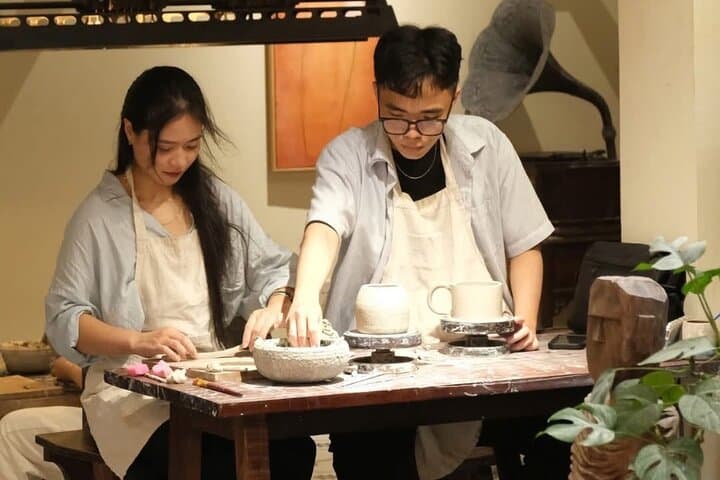
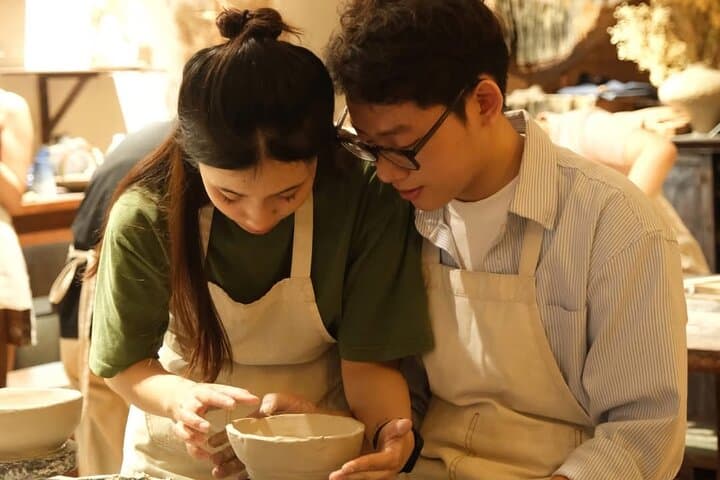
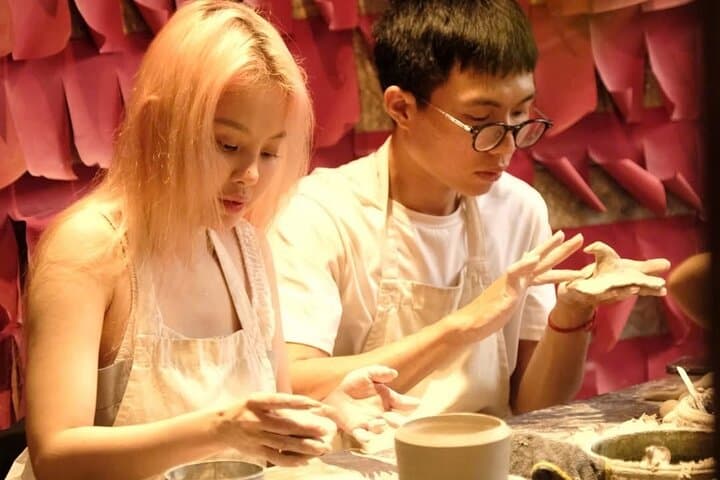
Culturally, a workshop is social: couples, families and solo travelers share benches while instructors demonstrate wheel-throwing, trimming and glazing. Expect a relaxed, hands-on pace with an emphasis on basic forms and personal expression rather than perfection. Local guides often include a short tour of the kiln area and a demo of glazing techniques.
Practical guidance: plan for about four hours including hotel pickup. Wear clothes you don't mind getting splattered and shoes you can slip off for the studio. Studio staff typically provide aprons, tools and basic glazing; finished pieces usually require several days of drying and firing—arrange shipping or pickup in advance. Hydrate before class; Saigon's humidity can make intense concentration feel tiring. For a memorable, tactile souvenir, this workshop gives you a direct line to craft traditions—and a piece you shaped with your own hands.
easy.
4 hours.
Suitable for all fitness levels; requires light standing and fine motor activity.
No—classes are designed for beginners and instructors guide you through wheel use, trimming and glazing.
Not usually—pieces must dry and be fired; expect 1–3 weeks depending on the studio’s schedule and kiln load, with shipping or pickup arranged.
Yes—many studios allow kids, though very young children may need parental help and shorter sessions are recommended.
Yes—this listing includes hotel pickup and drop-off within central Ho Chi Minh City; confirm exact pickup areas when booking.
Vietnamese ceramics combine influences from China and Khmer traditions; southern workshops adapted those techniques for everyday wares used throughout the Mekong region.
Many small studios monitor glaze chemistry and minimize clay waste by reworking scraps; ask about shipping and packing materials to reduce single-use plastics.
Vietnam - Ho Chi Minh City Package Tours operates guided outdoor trips and adventures with an emphasis on safety, stewardship, and memorable experiences.

You step off a shaded Saigon street into a compact studio where clay smells faintly of river silt and kiln smoke. The wheel spins; an artisan's hands guide yours, and the city's hum fades to the soft rhythm of shaping wet clay.
You step off a shaded Saigon street into a compact studio where clay smells faintly of river silt and kiln smoke. The wheel spins; an artisan's hands guide yours, and the city's hum fades to the soft rhythm of shaping wet clay.
Southern Vietnam has long blended Chinese, Khmer and indigenous ceramic techniques—every glaze and form carries traces of trade routes and domestic life. Ho Chi Minh City's small studios are practical heirs to that legacy: they teach everyday vessel-making and decorative finishes rather than museum restoration. The city's geology—rich alluvial clay from the Mekong—has supported pottery traditions across the region, and urban workshops translate that raw material into functional art.
Culturally, a workshop is social: couples, families and solo travelers share benches while instructors demonstrate wheel-throwing, trimming and glazing. Expect a relaxed, hands-on pace with an emphasis on basic forms and personal expression rather than perfection. Local guides often include a short tour of the kiln area and a demo of glazing techniques.
Practical guidance: plan for about four hours including hotel pickup. Wear clothes you don't mind getting splattered and shoes you can slip off for the studio. Studio staff typically provide aprons, tools and basic glazing; finished pieces usually require several days of drying and firing—arrange shipping or pickup in advance. Hydrate before class; Saigon's humidity can make intense concentration feel tiring. For a memorable, tactile souvenir, this workshop gives you a direct line to craft traditions—and a piece you shaped with your own hands.