THE ADVENTURE COLLECTIVE® · Independent discovery and booking for outdoor travel

Spend three practical hours learning Vietnamese basics—rolling fresh spring rolls, searing a bánh xèo, and simmering a clear broth. This compact, hands-on class focuses on technique, local ingredients, and recipes you can recreate at home.
Spend three practical hours learning Vietnamese basics—rolling fresh spring rolls, searing a bánh xèo, and simmering a clear broth. This compact, hands-on class focuses on technique, local ingredients, and recipes you can recreate at home.
A humid Saigon evening hangs in the air as a compact teaching kitchen opens its door: steam rises from woks, fish sauce and lime slice the air, and a small group gathers around a stainless-steel counter. The class begins with a warm greeting, a cup of strong Vietnamese coffee, and a quick demo—knives flashing, rice paper stretched taut—before everyone takes a station and gets to work.
Verified experiences and guided adventures in the surrounding area.
Operated by Vietnam Flavour Cooking Class · Ho Chi Minh City, Ho Chi Minh
A humid Saigon evening hangs in the air as a compact teaching kitchen opens its door: steam rises from woks, fish sauce and lime slice the air, and a small group gathers around a stainless-steel counter. The class begins with a warm greeting, a cup of strong Vietnamese coffee, and a quick demo—knives flashing, rice paper stretched taut—before everyone takes a station and gets to work.
Vietnamese cooking is the result of layered histories: Chinese technique, French ingredients, and the fertile generosity of the Mekong Delta’s alluvial plains. In a short three-hour session participants move from prep to plate, sampling regional flavors—tangy nuoc cham, coconut sweetness from the south, the sharp green of herbs—and learning techniques that translate to home kitchens.
Expect fast, hands-on pacing; the space is urban and practical rather than theatrical. The class emphasizes flavor balance (salt, sweet, sour, bitter, umami), common pantry items, and substitutions for dietary needs. Local insights include sourcing fresh herbs at nearby markets and reading labels on fish sauce and rice wine.
Practical guidance: wear closed-toe shoes, bring a water bottle, and plan to stand and move for most of the session. If you have allergies or follow halal/vegetarian diets, notify the host in advance so they can adapt recipes. Recipes and a few small souvenirs are provided, making this both a culinary lesson and a portable souvenir. For travelers wanting a compact, skill-focused food experience in Ho Chi Minh City, this is a direct, efficient way to take home authentic technique and taste.
easy.
3 hours.
Light physical activity: standing, moving between stations; suitable for most fitness levels
Yes—hosts can adapt recipes for vegetarian and halal diets if notified at booking or in advance via the special requirements field.
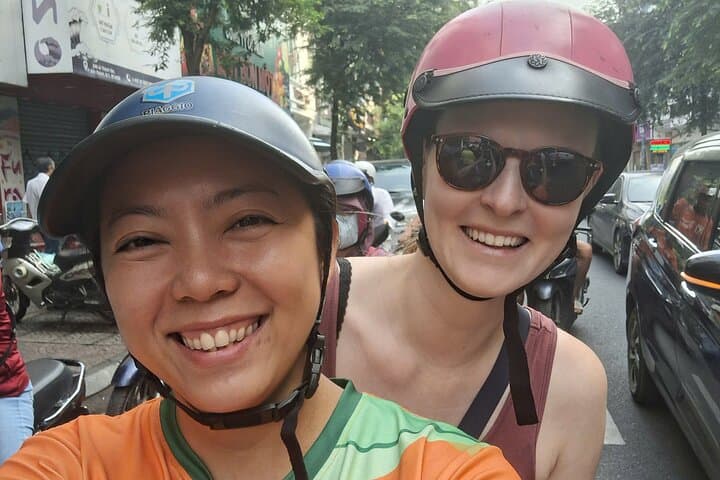
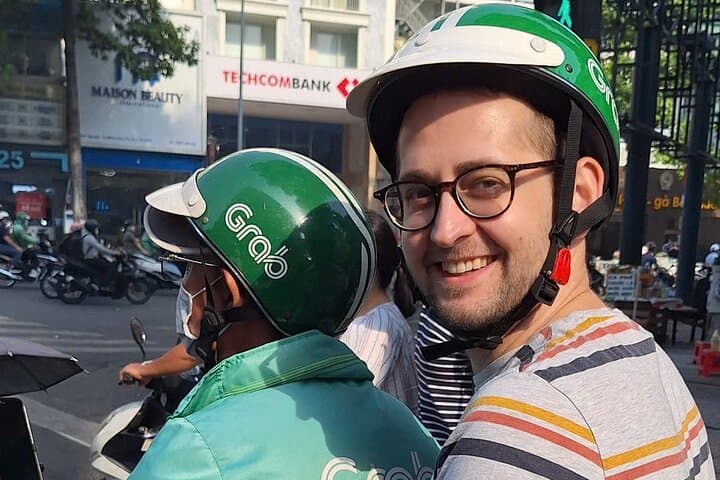
Classes are in central Ho Chi Minh City near major transport routes; public transit and ride-hailing are common and often recommended for ease.
Yes—detailed recipes and basic cooking notes are provided so you can recreate dishes after the class.
Full refunds are available if you cancel at least 24 hours before the scheduled start; within 24 hours bookings are non-refundable.
Vietnamese cuisine blends indigenous techniques with Chinese influence and French colonial ingredients; regional differences reflect the Mekong Delta, central highlands, and northern palate.
Look for classes that prioritize sustainable seafood and minimize single-use plastics; reducing food waste and choosing farm-direct produce supports local ecosystems.
Vietnam Flavour Cooking Class operates guided outdoor trips and adventures with an emphasis on safety, stewardship, and memorable experiences.
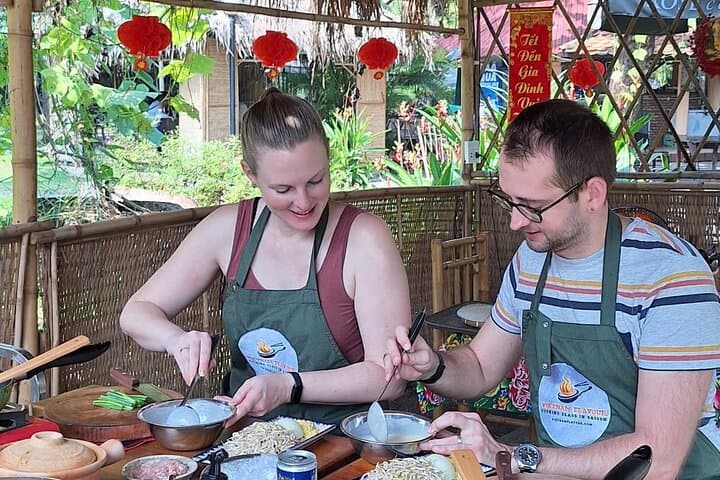
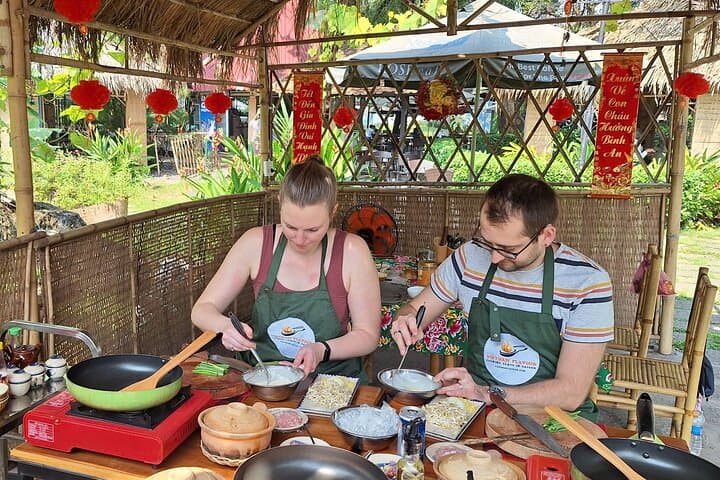
A humid Saigon evening hangs in the air as a compact teaching kitchen opens its door: steam rises from woks, fish sauce and lime slice the air, and a small group gathers around a stainless-steel counter. The class begins with a warm greeting, a cup of strong Vietnamese coffee, and a quick demo—knives flashing, rice paper stretched taut—before everyone takes a station and gets to work.
A humid Saigon evening hangs in the air as a compact teaching kitchen opens its door: steam rises from woks, fish sauce and lime slice the air, and a small group gathers around a stainless-steel counter. The class begins with a warm greeting, a cup of strong Vietnamese coffee, and a quick demo—knives flashing, rice paper stretched taut—before everyone takes a station and gets to work.
Vietnamese cooking is the result of layered histories: Chinese technique, French ingredients, and the fertile generosity of the Mekong Delta’s alluvial plains. In a short three-hour session participants move from prep to plate, sampling regional flavors—tangy nuoc cham, coconut sweetness from the south, the sharp green of herbs—and learning techniques that translate to home kitchens.
Expect fast, hands-on pacing; the space is urban and practical rather than theatrical. The class emphasizes flavor balance (salt, sweet, sour, bitter, umami), common pantry items, and substitutions for dietary needs. Local insights include sourcing fresh herbs at nearby markets and reading labels on fish sauce and rice wine.
Practical guidance: wear closed-toe shoes, bring a water bottle, and plan to stand and move for most of the session. If you have allergies or follow halal/vegetarian diets, notify the host in advance so they can adapt recipes. Recipes and a few small souvenirs are provided, making this both a culinary lesson and a portable souvenir. For travelers wanting a compact, skill-focused food experience in Ho Chi Minh City, this is a direct, efficient way to take home authentic technique and taste.