THE ADVENTURE COLLECTIVE® · Independent discovery and booking for outdoor travel

Spend a day between Saigon’s colonial boulevards and the tight, hand-excavated galleries of the Cu Chi Tunnels. This insider tour balances city landmarks with a visceral visit to one of Vietnam’s most significant wartime sites.
Spend a day between Saigon’s colonial boulevards and the tight, hand-excavated galleries of the Cu Chi Tunnels. This insider tour balances city landmarks with a visceral visit to one of Vietnam’s most significant wartime sites.
A morning in District 1 begins with the city already in motion: motorbikes thread through sun-slick streets, vendors lay out steaming bánh mì, and your guide meets you at the hotel lobby before the convoy slips northwest toward Cu Chi.
Verified experiences and guided adventures in the surrounding area.
Operated by Local Tours PU LUONG · Ho Chi Minh City, Ho Chi Minh
A morning in District 1 begins with the city already in motion: motorbikes thread through sun-slick streets, vendors lay out steaming bánh mì, and your guide meets you at the hotel lobby before the convoy slips northwest toward Cu Chi.
The road opens into flat river plains and rice fields; the land here is alluvial—soft soils that made hand-dug tunnel construction possible. At the Cu Chi site, reconstructed shafts, trapdoors and narrow galleries give a tactile sense of how fighters lived, hid and moved beneath the surface. The tunnels themselves feel close and deliberate: low, hot and engineered for survival.
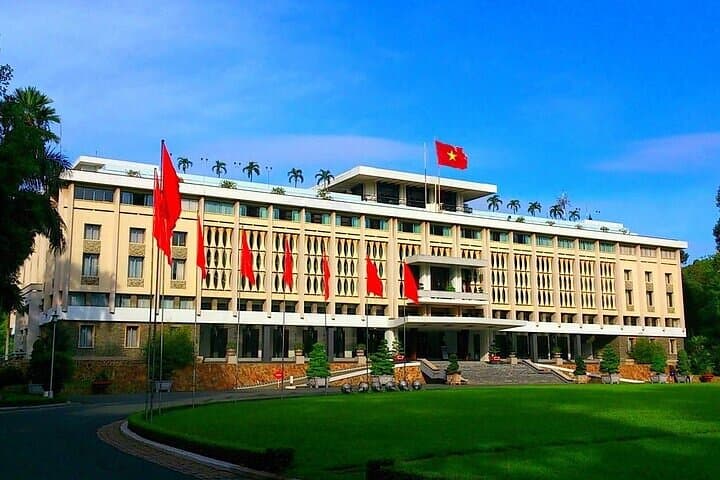
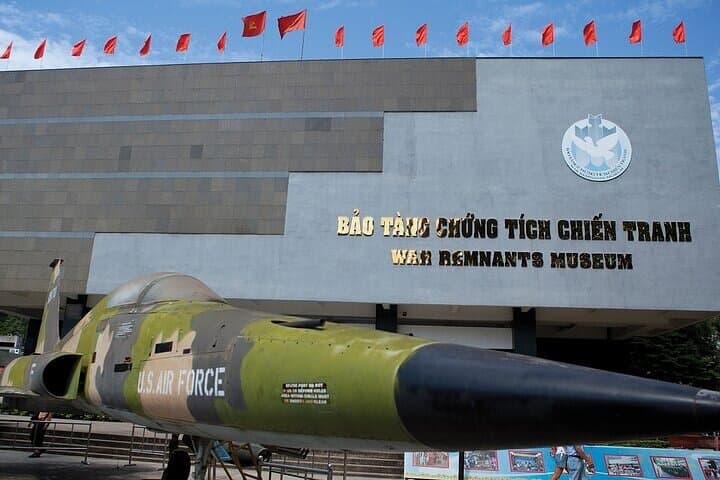
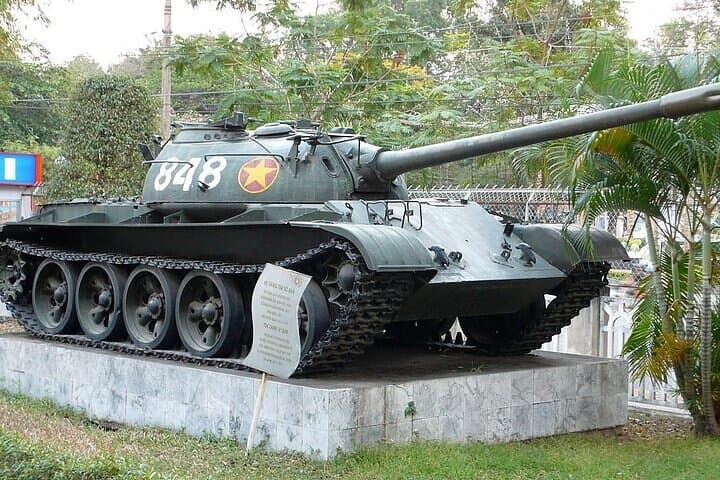
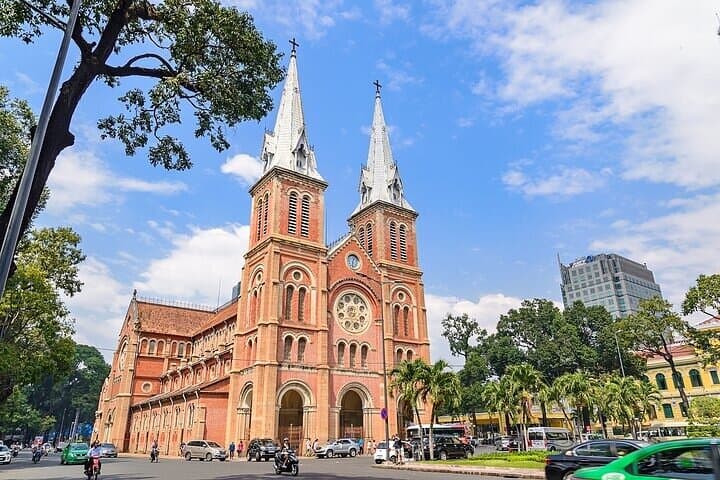
Back in Saigon, French colonial facades and concrete high-rises sit side by side. The Independence Palace, Notre-Dame Basilica and the War Remnants Museum outline 20th-century Vietnam—political decisions, foreign influence and civilian cost—while local markets and street food culture reveal how the city rebuilt everyday life.
Practical guidance: expect a long day—roughly 9–10 hours with hotel pickup and drop-off—so bring water, breathable layers and shoes you can crouch and climb in. Photography is allowed in many outdoor areas but restricted in some exhibits; follow your guide’s directions. Respectful behavior at wartime memorials and active temple sites matters; modest dress is appreciated. Timing matters: morning departures avoid the heaviest afternoon traffic and heat, and visiting outside peak monsoon months keeps the tunnels drier and more comfortable.
This tour pairs urban history with a physical, grounded site visit—part walking tour, part field museum—best suited for curious travelers who want context along with close-up experience.
easy.
9–10 hours.
Minimal fitness required for walking, short climbs and crouching; participants should be comfortable on uneven ground and in humid conditions.
One-way transfer is approximately 40–60 minutes to 1.5 hours depending on traffic; expect the full tour day to last about 9–10 hours with hotel pickup and drop-off.
Parts of the site include narrow, low crawlways; modified sections are open for visitors and require crouching; those with claustrophobia or mobility limitations should remain in surface exhibits.
Lunch is included; inform the operator in advance about dietary restrictions so they can arrange suitable options.
Photography is allowed in many outdoor and tunnel areas, but some indoor exhibits restrict flash or close-up photos—observe signage and follow guide instructions.
The Cu Chi Tunnels were expanded into a vast underground network by Viet Cong forces during the mid-20th century, serving as living quarters, hospitals and strategic routes; Saigon’s landmarks reflect French colonial planning and the city’s post-war transformation.
Site managers preserve original tunnel sections while offering reconstructed passages for visitors; stick to designated paths, avoid removing artifacts and minimize single-use plastics to reduce impact.
Local Tours PU LUONG operates guided outdoor trips and adventures with an emphasis on safety, stewardship, and memorable experiences.
A morning in District 1 begins with the city already in motion: motorbikes thread through sun-slick streets, vendors lay out steaming bánh mì, and your guide meets you at the hotel lobby before the convoy slips northwest toward Cu Chi.
A morning in District 1 begins with the city already in motion: motorbikes thread through sun-slick streets, vendors lay out steaming bánh mì, and your guide meets you at the hotel lobby before the convoy slips northwest toward Cu Chi.
The road opens into flat river plains and rice fields; the land here is alluvial—soft soils that made hand-dug tunnel construction possible. At the Cu Chi site, reconstructed shafts, trapdoors and narrow galleries give a tactile sense of how fighters lived, hid and moved beneath the surface. The tunnels themselves feel close and deliberate: low, hot and engineered for survival.
Back in Saigon, French colonial facades and concrete high-rises sit side by side. The Independence Palace, Notre-Dame Basilica and the War Remnants Museum outline 20th-century Vietnam—political decisions, foreign influence and civilian cost—while local markets and street food culture reveal how the city rebuilt everyday life.
Practical guidance: expect a long day—roughly 9–10 hours with hotel pickup and drop-off—so bring water, breathable layers and shoes you can crouch and climb in. Photography is allowed in many outdoor areas but restricted in some exhibits; follow your guide’s directions. Respectful behavior at wartime memorials and active temple sites matters; modest dress is appreciated. Timing matters: morning departures avoid the heaviest afternoon traffic and heat, and visiting outside peak monsoon months keeps the tunnels drier and more comfortable.
This tour pairs urban history with a physical, grounded site visit—part walking tour, part field museum—best suited for curious travelers who want context along with close-up experience.