THE ADVENTURE COLLECTIVE® · Independent discovery and booking for outdoor travel

See Saigon from sidewalk to river in one practical day: Chinatown’s market alleys, wartime museums, colonial landmarks, and a breezy water bus ride that reframes the city skyline. This tour balances cultural context with an easy, walkable pace.
See Saigon from sidewalk to river in one practical day: Chinatown’s market alleys, wartime museums, colonial landmarks, and a breezy water bus ride that reframes the city skyline. This tour balances cultural context with an easy, walkable pace.
Mornings on the Saigon River arrive as a slow, bright tide: vendors set up shop, motorbikes thread the streets, and the water bus waits at Bạch Đằng Pier with the city skyline yawning behind it.
Verified experiences and guided adventures in the surrounding area.
Operated by SST TRAVEL · Ho Chi Minh City, Ho Chi Minh
Mornings on the Saigon River arrive as a slow, bright tide: vendors set up shop, motorbikes thread the streets, and the water bus waits at Bạch Đằng Pier with the city skyline yawning behind it.
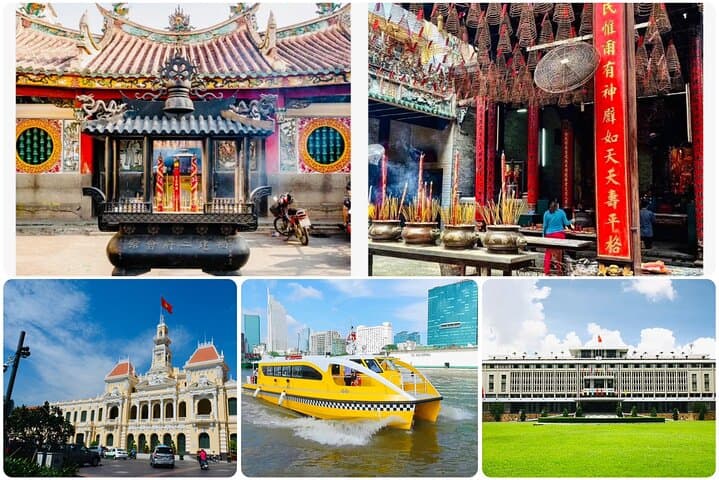
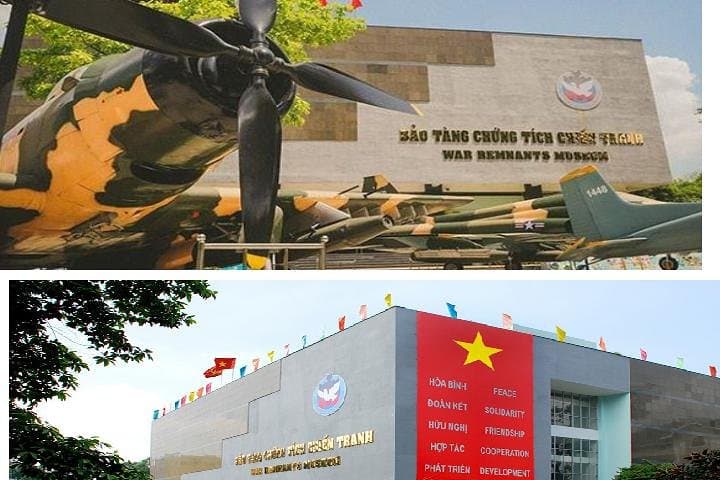
This one-day circuit moves from Chợ Lớn’s Chinatown — where Binh Tay Market hums with spice and porcelain stalls and Thien Hau Temple opens a window into Cantonese maritime devotion — to the solemn galleries of the War Remnants Museum and the flag-fluttered façade of Reunification Palace. French colonial landmarks such as Notre Dame Cathedral and the Old Central Post Office stand as stone pages of 19th‑century Saigon, while the brief water-bus crossing reorients the city, letting the river sketch industrial quays, Thu Thiem Bridge, and riverside neighborhoods into view.
Geology here is subtle: a flat Mekong-alluvial plain that channels rain and the river through constructed embankments; culture is immediate — commerce, religion, and wartime memory layered block by block.
Practical guidance: expect 8–9 hours with moderate walking on sidewalks and crowded market aisles; bring sun protection and comfortable shoes. The water bus segment is short (around 15 minutes) but provides a cool, breezy vantage point and a different rhythm to Saigon’s constant motion. Carry small change for markets, allow time for narrow-street traffic, and follow your guide through museum lines to make the most of the day.
easy.
8–9 hours.
Suitable for general fitness; involves several hours of walking and standing with intermittent on-and-off transfers.
The water bus segment between District 1 and District 2 is a short crossing of roughly 15 minutes, offering panoramic views of the riverfront.
This tour typically includes entrance fees listed by the operator (War Remnants Museum, Reunification Palace); confirm on booking details or ask your guide on the day.
Yes — the pace is gentle, but it involves walking and some steps; travelers with mobility or serious health issues should check restrictions before booking.
Heavy rain can affect market visits and walking comfort; the water bus runs in normal rain, but check the operator’s policy for severe weather and last-minute changes.
Saigon’s streets layer French colonial urban planning, wartime history centered at Reunification Palace, and Chinese-Vietnamese merchant traditions concentrated in Chợ Lớn.
The Saigon River faces urban pollution pressures; minimize plastic waste, use the provided bottled water sparingly, and follow local advice to respect temple altars and market vendors.
SST TRAVEL operates guided outdoor trips and adventures with an emphasis on safety, stewardship, and memorable experiences.


Mornings on the Saigon River arrive as a slow, bright tide: vendors set up shop, motorbikes thread the streets, and the water bus waits at Bạch Đằng Pier with the city skyline yawning behind it.
Mornings on the Saigon River arrive as a slow, bright tide: vendors set up shop, motorbikes thread the streets, and the water bus waits at Bạch Đằng Pier with the city skyline yawning behind it.
This one-day circuit moves from Chợ Lớn’s Chinatown — where Binh Tay Market hums with spice and porcelain stalls and Thien Hau Temple opens a window into Cantonese maritime devotion — to the solemn galleries of the War Remnants Museum and the flag-fluttered façade of Reunification Palace. French colonial landmarks such as Notre Dame Cathedral and the Old Central Post Office stand as stone pages of 19th‑century Saigon, while the brief water-bus crossing reorients the city, letting the river sketch industrial quays, Thu Thiem Bridge, and riverside neighborhoods into view.
Geology here is subtle: a flat Mekong-alluvial plain that channels rain and the river through constructed embankments; culture is immediate — commerce, religion, and wartime memory layered block by block.
Practical guidance: expect 8–9 hours with moderate walking on sidewalks and crowded market aisles; bring sun protection and comfortable shoes. The water bus segment is short (around 15 minutes) but provides a cool, breezy vantage point and a different rhythm to Saigon’s constant motion. Carry small change for markets, allow time for narrow-street traffic, and follow your guide through museum lines to make the most of the day.