THE ADVENTURE COLLECTIVE® · Independent discovery and booking for outdoor travel

Spend a concentrated half‑day in Hluhluwe‑iMfolozi hunting sightings of the Big Five and witnessing a century of rhino conservation. This accessible morning safari from Richards Bay balances focused wildlife viewing with expert interpretation.
Spend a concentrated half‑day in Hluhluwe‑iMfolozi hunting sightings of the Big Five and witnessing a century of rhino conservation. This accessible morning safari from Richards Bay balances focused wildlife viewing with expert interpretation.
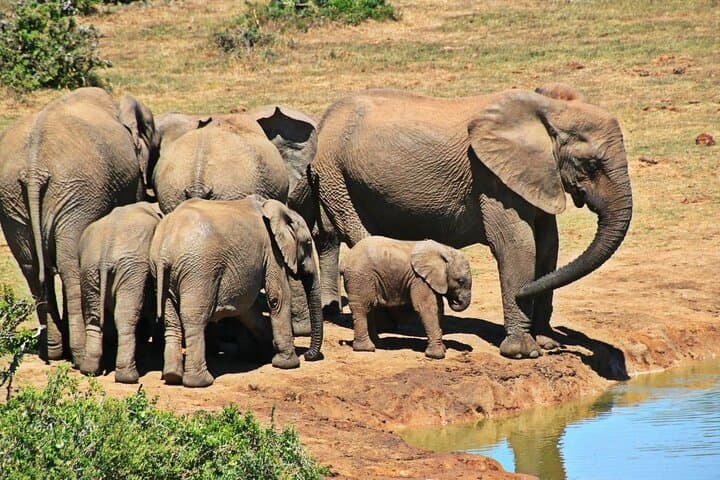
Morning light strips the hills to gold as the safari vehicle crunches onto a dust track and the reserve opens up: rolling savannah, riverine gallery forest, and the low, worn spine of coastal hills in the distance. Guides scan horizons with practiced calm; distant dust plumes and a lone elephant silhouette puncture the flatness, and the jeep becomes a quiet theater for animal behavior.
Verified experiences and guided adventures in the surrounding area.
Operated by Cape Top Tours · Hluhluwe, KwaZulu-Natal
Morning light strips the hills to gold as the safari vehicle crunches onto a dust track and the reserve opens up: rolling savannah, riverine gallery forest, and the low, worn spine of coastal hills in the distance. Guides scan horizons with practiced calm; distant dust plumes and a lone elephant silhouette puncture the flatness, and the jeep becomes a quiet theater for animal behavior.
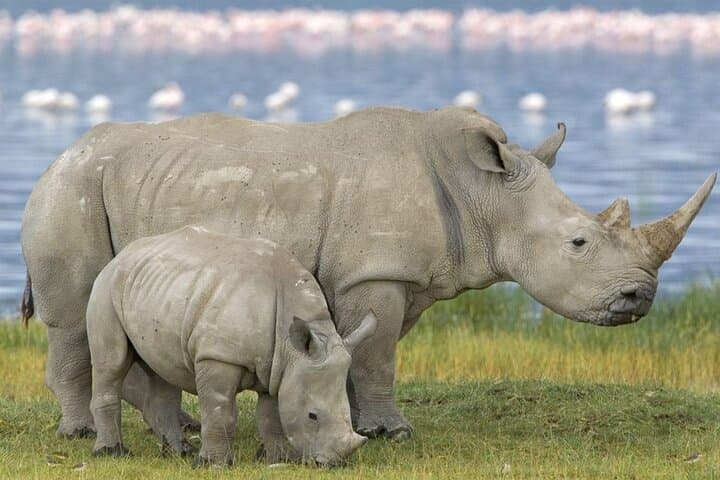
Hluhluwe‑iMfolozi is Africa’s oldest proclaimed reserve and a focal point of rhino conservation—its records read like modern conservation history. Geologically the park sits on ancient KwaZulu‑Natal hills, where erosion carved shallow valleys that hold seasonal pans and rivers attracting game. Local Zulu communities have long relationships with the land; many guides blend Western ecology with oral knowledge of tracks and calls.
On a half‑day trip from Richards Bay (pickup 7:30am), expect concentrated game viewing across rolling hills and open plains. The dry season tightens water sources and concentrates animals; the wet season paints the bush green and brings newborns. Vehicles follow existing roads and sightings depend on luck, skill, and patience.
Practical guidance: wear closed shoes, bring a sun hat, water, and binoculars; keep voices low and follow the guide’s instructions around dangerous animals. Mobility access is generally good, but long periods seated and light bounces on rough tracks are normal. Aim for morning departures for cooler temperatures and active predators, and charge cameras—the reserve delivers both spectacle and the quiet lessons of conservation in action.
easy.
7 hours.
Minimal walking required; participants should be able to board a safari vehicle and sit for several hours.
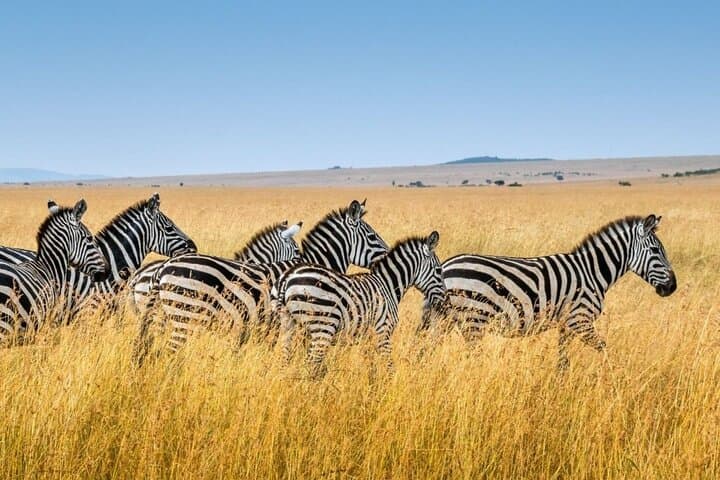
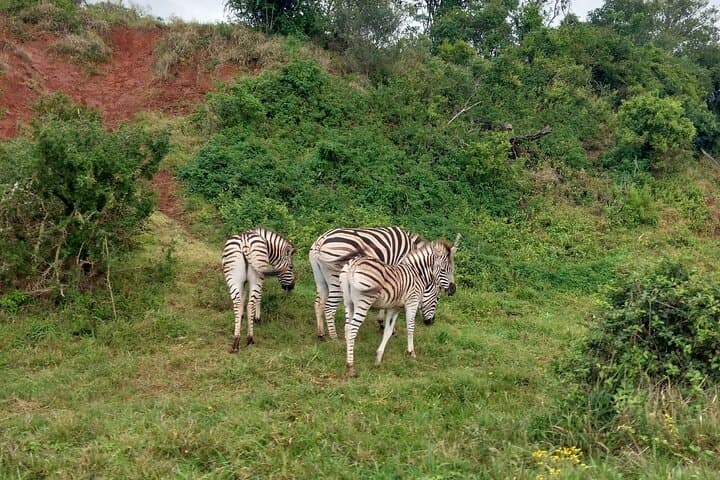
The reserve hosts the Big Five—lion, leopard, elephant, buffalo, and rhino—plus giraffe, zebra, hyena and many antelope species, though sightings vary by season and luck.
This is a roughly 7‑hour half‑day tour departing from Richards Bay, with pickup within a 50 km radius included.
Yes—operators list the safari as suitable for all fitness levels; vehicles and pickup are wheelchair accessible, but confirm specific needs when booking.
Neutral, breathable layers, closed shoes, sun protection, water, binoculars and insect repellent; cameras are recommended but keep noise and flash off near animals.
Established in the late 19th century, Hluhluwe‑iMfolozi became world‑famous for its pioneering white rhino protection programs and research into anti‑poaching and translocation.
The reserve prioritizes rhino protection and community conservation projects; visitors should minimize waste, avoid off‑road driving, and follow guide instructions to reduce disturbance.
Cape Top Tours operates guided outdoor trips and adventures with an emphasis on safety, stewardship, and memorable experiences.
Morning light strips the hills to gold as the safari vehicle crunches onto a dust track and the reserve opens up: rolling savannah, riverine gallery forest, and the low, worn spine of coastal hills in the distance. Guides scan horizons with practiced calm; distant dust plumes and a lone elephant silhouette puncture the flatness, and the jeep becomes a quiet theater for animal behavior.
Morning light strips the hills to gold as the safari vehicle crunches onto a dust track and the reserve opens up: rolling savannah, riverine gallery forest, and the low, worn spine of coastal hills in the distance. Guides scan horizons with practiced calm; distant dust plumes and a lone elephant silhouette puncture the flatness, and the jeep becomes a quiet theater for animal behavior.
Hluhluwe‑iMfolozi is Africa’s oldest proclaimed reserve and a focal point of rhino conservation—its records read like modern conservation history. Geologically the park sits on ancient KwaZulu‑Natal hills, where erosion carved shallow valleys that hold seasonal pans and rivers attracting game. Local Zulu communities have long relationships with the land; many guides blend Western ecology with oral knowledge of tracks and calls.
On a half‑day trip from Richards Bay (pickup 7:30am), expect concentrated game viewing across rolling hills and open plains. The dry season tightens water sources and concentrates animals; the wet season paints the bush green and brings newborns. Vehicles follow existing roads and sightings depend on luck, skill, and patience.
Practical guidance: wear closed shoes, bring a sun hat, water, and binoculars; keep voices low and follow the guide’s instructions around dangerous animals. Mobility access is generally good, but long periods seated and light bounces on rough tracks are normal. Aim for morning departures for cooler temperatures and active predators, and charge cameras—the reserve delivers both spectacle and the quiet lessons of conservation in action.