THE ADVENTURE COLLECTIVE® · Independent discovery and booking for outdoor travel

Head inland from Richards Bay for a focused half‑day 4x4 through Hluhluwe‑iMfolozi, Africa’s oldest reserve and a white rhino stronghold. Expect rolling sandstone ridges, concentrated waterholes in dry months, and targeted Big Five sightings guided by local trackers.
Head inland from Richards Bay for a focused half‑day 4x4 through Hluhluwe‑iMfolozi, Africa’s oldest reserve and a white rhino stronghold. Expect rolling sandstone ridges, concentrated waterholes in dry months, and targeted Big Five sightings guided by local trackers.
A low sun carves long shadows across the rolling hills as your vehicle leaves Richards Bay and heads inland toward Hluhluwe‑iMfolozi. The 4x4 grinds along sandy tracks, mopane and acacia lining the road, and the reserve opens like a living map: koppies, riverbeds, and grass that moves with the wind as if testing your resolve.
Verified experiences and guided adventures in the surrounding area.
Operated by Africa Sun Safaris · Hluhluwe, KwaZulu-Natal
A low sun carves long shadows across the rolling hills as your vehicle leaves Richards Bay and heads inland toward Hluhluwe‑iMfolozi. The 4x4 grinds along sandy tracks, mopane and acacia lining the road, and the reserve opens like a living map: koppies, riverbeds, and grass that moves with the wind as if testing your resolve.
Established in 1895, Hluhluwe‑iMfolozi is Africa’s oldest proclaimed reserve and a cornerstone of white rhino conservation; its Centenary Capture Centre is a noted research site. Geologically the park is folded sandstone country—ridges and valleys direct water and wildlife, creating predictable animal corridors along the Umfolozi river systems. The area sits within Zululand, and local communities and guides contribute knowledge of spoor, bird calls, and seasonal animal behavior.
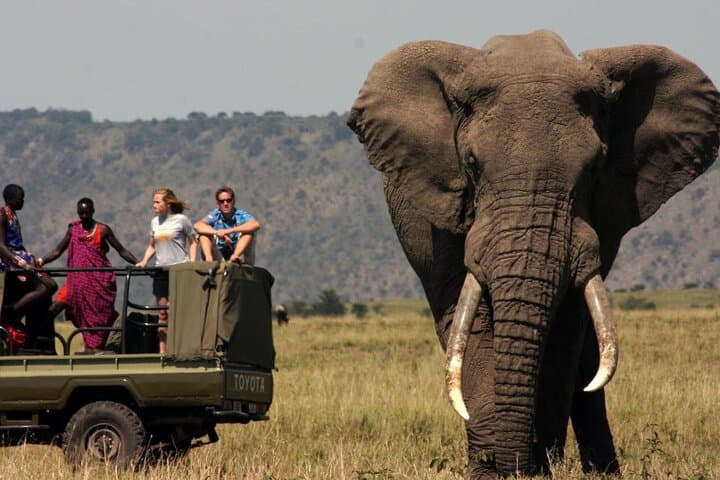
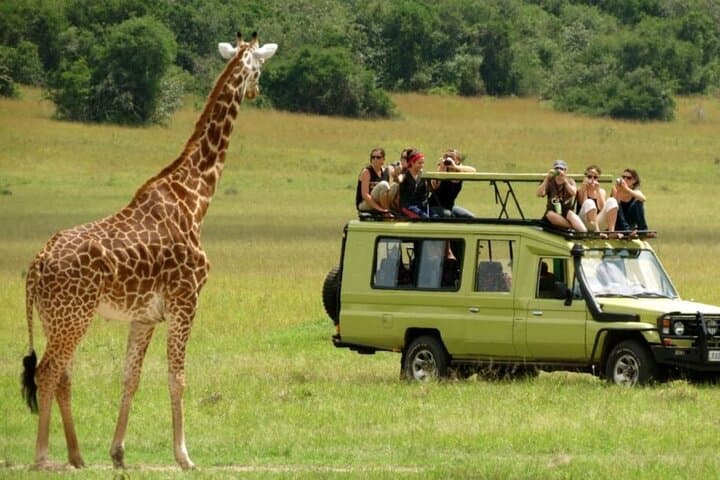
On a half‑day drive you’ll focus on game viewing rather than long hikes: expect targeted 4x4 sweeps of hilly terrain for up to seven hours with a guide who reads tracks and tells the story of each sighting. Practicalities matter—early starts avoid heat and afternoon storms in summer, while dry winter months concentrate game around water. Vehicles are shared (max ~15), accessible pickup is commonly offered from Richards Bay, and the pace is approachable for most visitors.
Bring binoculars, layered sun protection, and patience—wildlife follows its own schedule. Stay in your seat, keep noise low, and let the landscape do the guiding; the park’s conservation efforts depend on visitor respect and steady, observant behavior.
easy.
7 hours.
Suitable for most fitness levels; the day involves sitting in a vehicle with occasional short walks.
No—sightings depend on animal movement and season. Guides target likely areas to improve chances but cannot guarantee specific sightings.
Many transport options and pickup locations are wheelchair accessible, but vehicle terrain within the reserve can be bumpy; check provider details for exact accessibility support.
Bring water, binoculars, sun protection, layered clothing, and any required medications; food is usually unnecessary for a 7‑hour outing but confirm with the operator.
Game drives run in light rain, but heavy storms may reduce visibility or comfort; cancellation and refund policies vary—confirm at booking.
Hluhluwe‑iMfolozi was formally protected in 1895 and later became central to white rhino recovery efforts in the 20th century.
The park prioritizes anti‑poaching measures and managed tourism to support wildlife recovery; visitors are asked to follow rules that minimize disturbance.
Africa Sun Safaris operates guided outdoor trips and adventures with an emphasis on safety, stewardship, and memorable experiences.
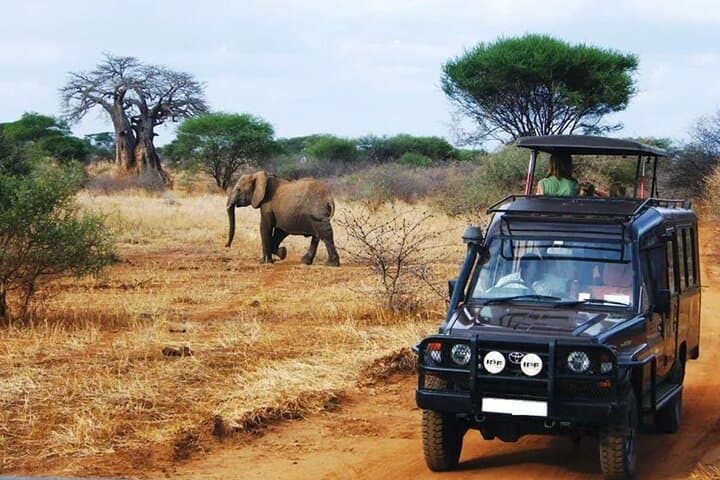
A low sun carves long shadows across the rolling hills as your vehicle leaves Richards Bay and heads inland toward Hluhluwe‑iMfolozi. The 4x4 grinds along sandy tracks, mopane and acacia lining the road, and the reserve opens like a living map: koppies, riverbeds, and grass that moves with the wind as if testing your resolve.
A low sun carves long shadows across the rolling hills as your vehicle leaves Richards Bay and heads inland toward Hluhluwe‑iMfolozi. The 4x4 grinds along sandy tracks, mopane and acacia lining the road, and the reserve opens like a living map: koppies, riverbeds, and grass that moves with the wind as if testing your resolve.
Established in 1895, Hluhluwe‑iMfolozi is Africa’s oldest proclaimed reserve and a cornerstone of white rhino conservation; its Centenary Capture Centre is a noted research site. Geologically the park is folded sandstone country—ridges and valleys direct water and wildlife, creating predictable animal corridors along the Umfolozi river systems. The area sits within Zululand, and local communities and guides contribute knowledge of spoor, bird calls, and seasonal animal behavior.
On a half‑day drive you’ll focus on game viewing rather than long hikes: expect targeted 4x4 sweeps of hilly terrain for up to seven hours with a guide who reads tracks and tells the story of each sighting. Practicalities matter—early starts avoid heat and afternoon storms in summer, while dry winter months concentrate game around water. Vehicles are shared (max ~15), accessible pickup is commonly offered from Richards Bay, and the pace is approachable for most visitors.
Bring binoculars, layered sun protection, and patience—wildlife follows its own schedule. Stay in your seat, keep noise low, and let the landscape do the guiding; the park’s conservation efforts depend on visitor respect and steady, observant behavior.