THE ADVENTURE COLLECTIVE® · Independent discovery and booking for outdoor travel

Spend a full day tracking the Big Five in Hluhluwe Game Reserve on this 12‑hour safari from Durban. Expect varied terrain, guided game drives, and wildlife viewing shaped by season and luck.
Spend a full day tracking the Big Five in Hluhluwe Game Reserve on this 12‑hour safari from Durban. Expect varied terrain, guided game drives, and wildlife viewing shaped by season and luck.
The morning light in KwaZulu-Natal cuts across dry grass and riverine forest; you feel the vehicle nudge forward as if listening for movement. On a full-day safari into Hluhluwe Game Reserve the bush wakes slowly—monkeys chatter, oxpeckers ride dark hides, and the road bends toward distant termite mounds where elephants often appear.
Verified experiences and guided adventures in the surrounding area.
Operated by Sbrm Tours · Hluhluwe, KwaZulu-Natal
The morning light in KwaZulu-Natal cuts across dry grass and riverine forest; you feel the vehicle nudge forward as if listening for movement. On a full-day safari into Hluhluwe Game Reserve the bush wakes slowly—monkeys chatter, oxpeckers ride dark hides, and the road bends toward distant termite mounds where elephants often appear.
This park, one of South Africa’s oldest protected areas, was central to early rhino conservation campaigns and sits on rolling sandstone and shale that shape broad ridgelines and seasonal river channels. Local Zulu communities have long read the land for water and grazing; guides blend ecological observation with cultural notes on traditional uses of trees and local place names.
Expect a balance of slow game drives and short stops for photos and lunch. Wildlife sightings depend on season and luck—predators move unpredictably, herbivores follow water, and birds concentrate along floodplain margins. The reserve’s mosaic of bushveld and riverine forest gives each hour a different light and sound.
Practical details matter: start early to catch cooler hours and active animals, bring a camera with a telephoto or a good pair of binoculars, and dress in lightweight neutral layers with sun protection. Hydrate and carry any medications; follow your guide’s safety brief—vehicles are safe viewing platforms but animals are wholly wild. A day here is about patience, steady optics, and letting the landscape reveal its moments on its own terms.
easy.
12 hours.
Suitable for most fitness levels; long day sitting and short walks; mobility limitations should be discussed in advance.
Hluhluwe is home to the Big Five, but sightings are not guaranteed—animals roam freely and encounters depend on season, luck, and animal movement.
The tour runs about 12 hours from Durban; it typically includes transport, bottled water, snacks, lunch, and a guided game drive in an air-conditioned vehicle.
The tour is described as physically easy and can accommodate families, but infants may need to sit on laps and guests with serious health issues should consult the operator.
Remain inside the vehicle unless instructed, follow the guide’s directions, keep noise low, and avoid feeding or approaching animals.
Hluhluwe was established for wildlife protection in the late 19th and 20th centuries and became a focal point for rhino conservation efforts in South Africa.
The reserve manages anti-poaching patrols and habitat conservation; visitors are asked to minimize noise and litter to reduce disturbance to wildlife.
Sbrm Tours operates guided outdoor trips and adventures with an emphasis on safety, stewardship, and memorable experiences.
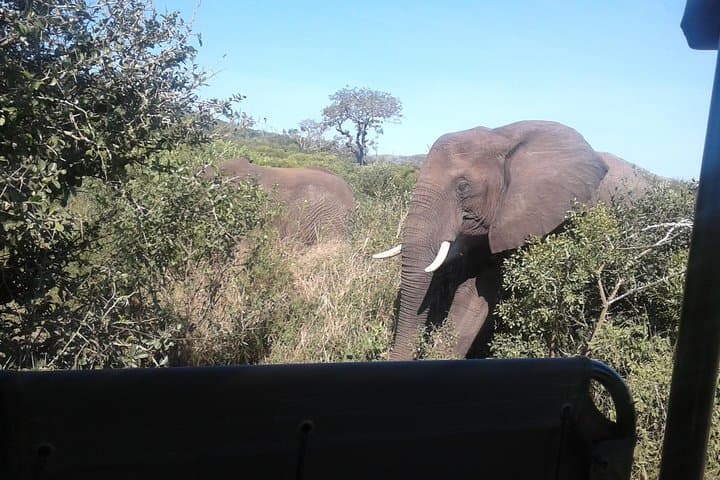
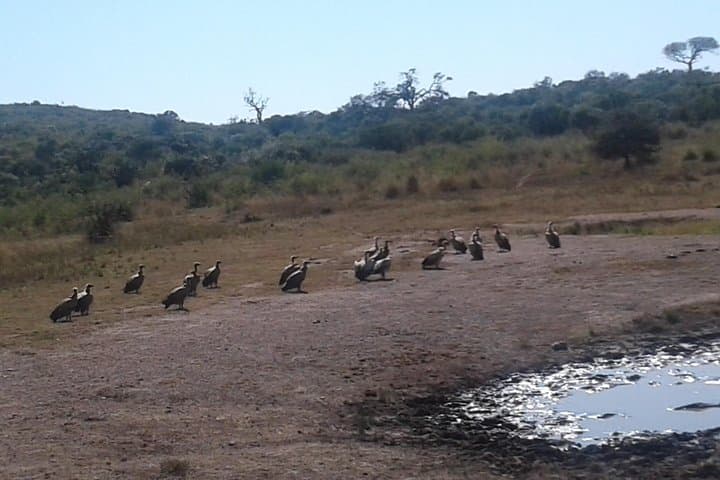
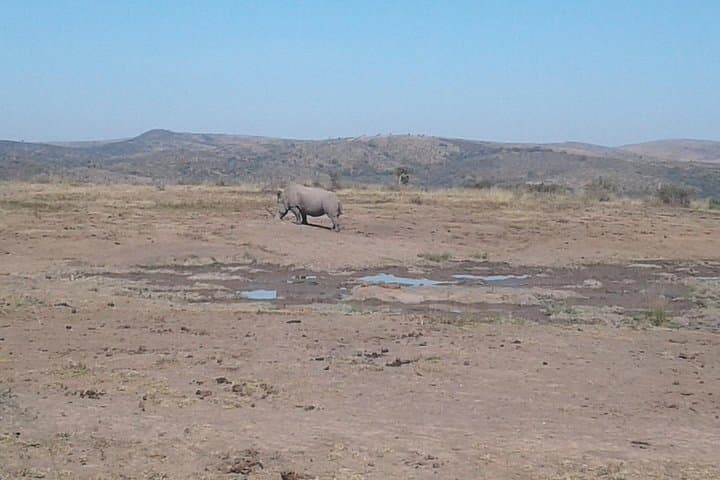
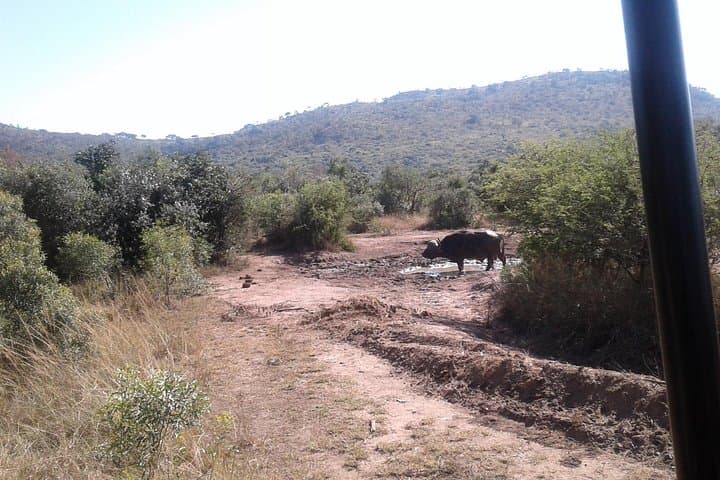
The morning light in KwaZulu-Natal cuts across dry grass and riverine forest; you feel the vehicle nudge forward as if listening for movement. On a full-day safari into Hluhluwe Game Reserve the bush wakes slowly—monkeys chatter, oxpeckers ride dark hides, and the road bends toward distant termite mounds where elephants often appear.
The morning light in KwaZulu-Natal cuts across dry grass and riverine forest; you feel the vehicle nudge forward as if listening for movement. On a full-day safari into Hluhluwe Game Reserve the bush wakes slowly—monkeys chatter, oxpeckers ride dark hides, and the road bends toward distant termite mounds where elephants often appear.
This park, one of South Africa’s oldest protected areas, was central to early rhino conservation campaigns and sits on rolling sandstone and shale that shape broad ridgelines and seasonal river channels. Local Zulu communities have long read the land for water and grazing; guides blend ecological observation with cultural notes on traditional uses of trees and local place names.
Expect a balance of slow game drives and short stops for photos and lunch. Wildlife sightings depend on season and luck—predators move unpredictably, herbivores follow water, and birds concentrate along floodplain margins. The reserve’s mosaic of bushveld and riverine forest gives each hour a different light and sound.
Practical details matter: start early to catch cooler hours and active animals, bring a camera with a telephoto or a good pair of binoculars, and dress in lightweight neutral layers with sun protection. Hydrate and carry any medications; follow your guide’s safety brief—vehicles are safe viewing platforms but animals are wholly wild. A day here is about patience, steady optics, and letting the landscape reveal its moments on its own terms.