THE ADVENTURE COLLECTIVE® · Independent discovery and booking for outdoor travel

Spend six focused hours moving from thunderous waterfalls to Edo-period streets in Hita. This small-group tour combines natural landmarks like Sakura Falls and Oyama Dam with cultural stops in Mameda-machi and the Attack on Titan museum.
Spend six focused hours moving from thunderous waterfalls to Edo-period streets in Hita. This small-group tour combines natural landmarks like Sakura Falls and Oyama Dam with cultural stops in Mameda-machi and the Attack on Titan museum.
Morning light cuts through the valley as the guide eases the minibus onto a narrow mountain road; the air smells of wet stone and cedar. Your day begins at Sakura Falls, where white water throws itself over granite ledges and the spray dares you to step closer. From there the route opens to a broad reservoir at Oyama Dam, its concrete flank dwarfing the bronze statues that salute the sky.
Verified experiences and guided adventures in the surrounding area.
Operated by Kyushu Immersion · Hita, Oita
Morning light cuts through the valley as the guide eases the minibus onto a narrow mountain road; the air smells of wet stone and cedar. Your day begins at Sakura Falls, where white water throws itself over granite ledges and the spray dares you to step closer. From there the route opens to a broad reservoir at Oyama Dam, its concrete flank dwarfing the bronze statues that salute the sky.
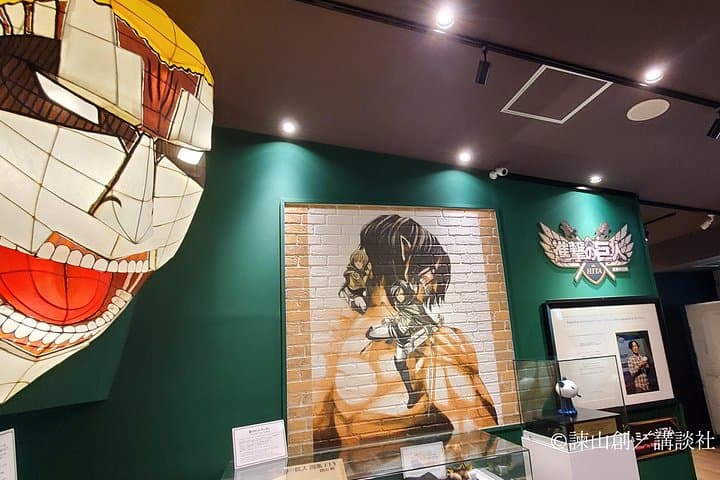
This part of Hita sits on the western flank of Oita Prefecture, shaped by volcanic activity and river erosion—steep gorges give way to flat, merchant-built streets in town. Mameda-machi preserves Edo-period architecture: sake breweries, lattice windows and old merchant warehouses that speak to Hita’s river-trade past. Modern culture threads through this itinerary too; a local roadside station hosts the Attack on Titan in HITA Museum and life-size displays that attract fans worldwide.
Practicalities are straightforward. The six-hour, small-group tour uses air-conditioned transport and covers short walks—expect 200–800 m stretches at each stop, low elevation gain under 100 m, and some stone steps in the town and at the falls. Bring cash for small entrance fees and market purchases; the museum charges a separate fee. Comfortable walking shoes, a light waterproof layer, and a water bottle make the day easier. Timing your visit for mid-morning avoids the heaviest humidity in summer and gives the best light for photos. Guides will pace the group, but independent time in Mameda-machi lets you explore craft shops and local snacks on your own.
easy.
6 hours.
Suitable for most fitness levels—short, mostly flat walks with occasional steps; standing and light walking for up to an hour at a time.
The tour lasts about six hours and is a small-group experience with a maximum of five travelers, offering personalized pacing.
No—museum entry requires a separate small fee; the guide can point you to the museum and timing options during the stop.
No—walks are short and on mostly paved or well-maintained paths with minimal elevation gain; good mobility helps for steps and uneven surfaces.
The tour includes a stop at a selected restaurant and opportunities to buy local snacks, but specific meals beyond that should be confirmed at booking.
Hita prospered as a river port during the Edo period; many merchant houses in Mameda-machi date to that era and reflect the city’s trade and brewing heritage.
Local conservation focuses on river water quality and protecting riparian forests; visitors should avoid feeding wildlife and use marked paths to reduce erosion.
Kyushu Immersion operates guided outdoor trips and adventures with an emphasis on safety, stewardship, and memorable experiences.
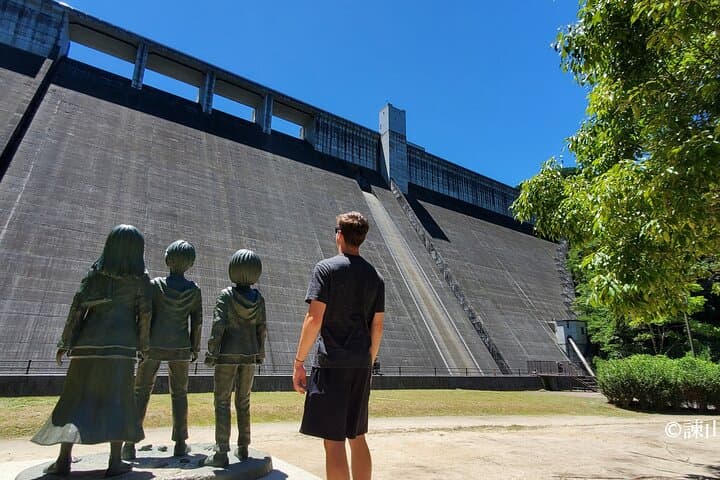
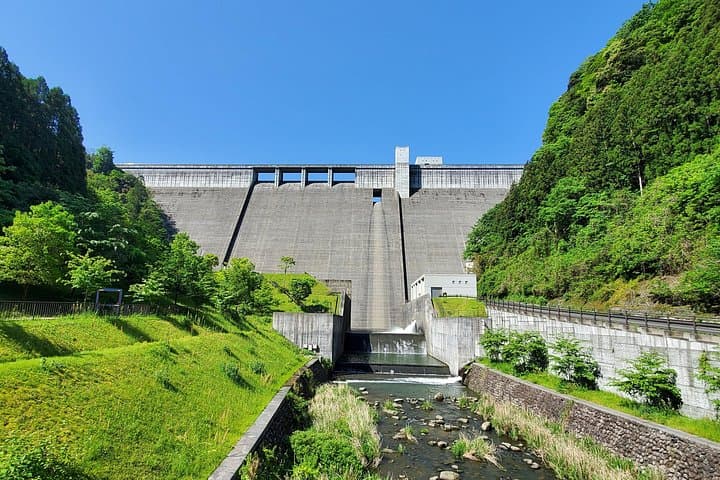

Morning light cuts through the valley as the guide eases the minibus onto a narrow mountain road; the air smells of wet stone and cedar. Your day begins at Sakura Falls, where white water throws itself over granite ledges and the spray dares you to step closer. From there the route opens to a broad reservoir at Oyama Dam, its concrete flank dwarfing the bronze statues that salute the sky.
Morning light cuts through the valley as the guide eases the minibus onto a narrow mountain road; the air smells of wet stone and cedar. Your day begins at Sakura Falls, where white water throws itself over granite ledges and the spray dares you to step closer. From there the route opens to a broad reservoir at Oyama Dam, its concrete flank dwarfing the bronze statues that salute the sky.
This part of Hita sits on the western flank of Oita Prefecture, shaped by volcanic activity and river erosion—steep gorges give way to flat, merchant-built streets in town. Mameda-machi preserves Edo-period architecture: sake breweries, lattice windows and old merchant warehouses that speak to Hita’s river-trade past. Modern culture threads through this itinerary too; a local roadside station hosts the Attack on Titan in HITA Museum and life-size displays that attract fans worldwide.
Practicalities are straightforward. The six-hour, small-group tour uses air-conditioned transport and covers short walks—expect 200–800 m stretches at each stop, low elevation gain under 100 m, and some stone steps in the town and at the falls. Bring cash for small entrance fees and market purchases; the museum charges a separate fee. Comfortable walking shoes, a light waterproof layer, and a water bottle make the day easier. Timing your visit for mid-morning avoids the heaviest humidity in summer and gives the best light for photos. Guides will pace the group, but independent time in Mameda-machi lets you explore craft shops and local snacks on your own.