THE ADVENTURE COLLECTIVE® · Independent discovery and booking for outdoor travel

Walk Cusco’s living history: from precise Inca stonework and Spanish palaces to a chocolate tasting and city viewpoints. This intimate 2–3 hour tour offers cultural context, practical local tips, and a manageable pace for high-altitude exploration.
Walk Cusco’s living history: from precise Inca stonework and Spanish palaces to a chocolate tasting and city viewpoints. This intimate 2–3 hour tour offers cultural context, practical local tips, and a manageable pace for high-altitude exploration.
You step off the Plaza de Armas and the city tightens around you: narrow cobbled alleys slope under carved stone walls, sunlight cutting across red-tile roofs while the high Andes stand like watchful neighbors.
Verified experiences and guided adventures in the surrounding area.
Operated by Cusco Inka's Walking Tour · Cusco, Cusco
You step off the Plaza de Armas and the city tightens around you: narrow cobbled alleys slope under carved stone walls, sunlight cutting across red-tile roofs while the high Andes stand like watchful neighbors.
This two- to three-hour walking tour threads through Cusco’s layered history — the Inca capital foundations of precisely cut andesite blocks, the Spanish colonial churches and mansions that sit atop them, and modern Quechua culture that keeps traditions alive. Geologically, the city is carved from uplifted Andean rock; you’ll notice the massive, fitted stones of Inca masonry that survived earthquakes better than later masonry. Culturally, guides will point out how festivals, language and craft markets keep pre-Columbian practices visible in everyday life.
Highlights include the main square and its civic history, exterior views of the principal Inca temple remains, the famed 12-angled stone, small palaces like Pachacutec, a compact viewpoint over Cusco, and a short stop at the ChocoMuseo for a tasting that links local cacao to contemporary craft.
Practical notes: the route is mostly paved and cobbled with short climbs — expect uneven footing and short stair sections. Altitude (≈3,400 m) is real: move deliberately, drink water, and avoid heavy exertion the first day. Wear sturdy shoes, a sun layer, and a light rain shell if visiting during the wet season. Small-group format keeps the pace manageable; bring small bills for tips and museum entry if you plan to explore further. The tour is ideal as a first-day orientation to Cusco’s streets and stories.
easy.
2–3 hours.
Suitable for most fitness levels but expect uneven cobbles and short climbs; allow for slower pace at altitude.
Yes, it’s designed as an orientation but allow time to acclimatize; take it easy before or after if you feel breathless.
Expect 2–3 hours of mostly gentle walking with occasional short, steep sections and uneven cobbles—no technical climbing.
Yes, the tour is conducted in English with licensed local guides familiar with Inca and colonial history.
Most exterior sites are included in the narration; admissions to museums or archaeological sites are typically not included — bring cash if you plan to enter.
Cusco was the capital of the Inca Empire; Spanish colonists built churches and mansions on top of Inca foundations, creating the layered city you walk through today.
Many historic stones and colonial facades are vulnerable to wear from foot traffic; follow guides’ instructions, avoid touching fragile masonry, and support local conservation initiatives by choosing licensed guides.
Cusco Inka's Walking Tour operates guided outdoor trips and adventures with an emphasis on safety, stewardship, and memorable experiences.
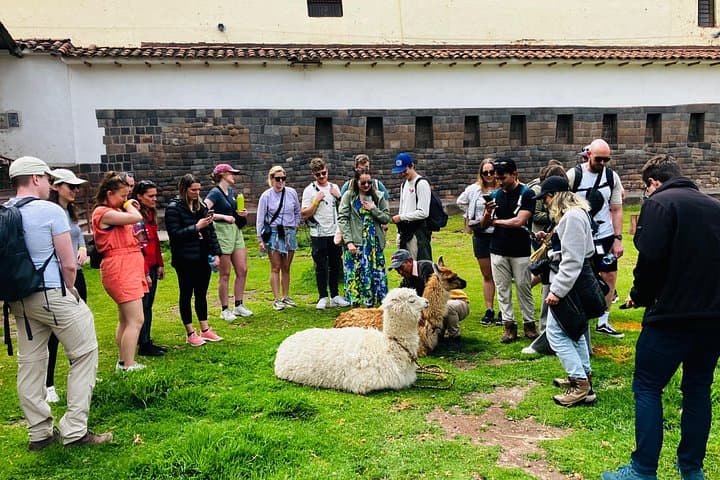
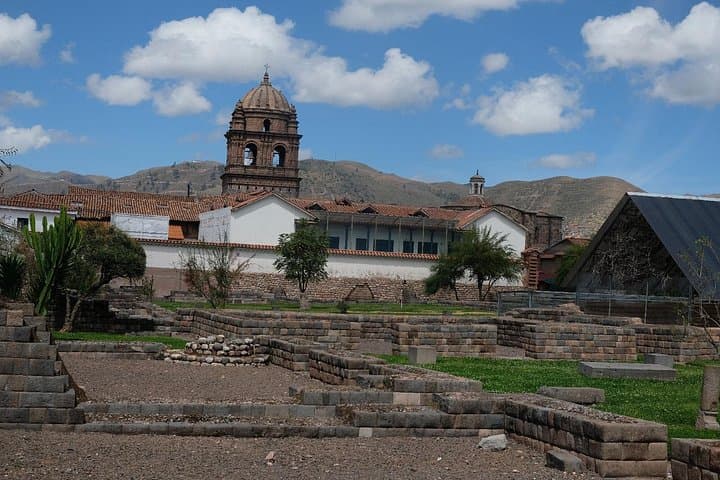
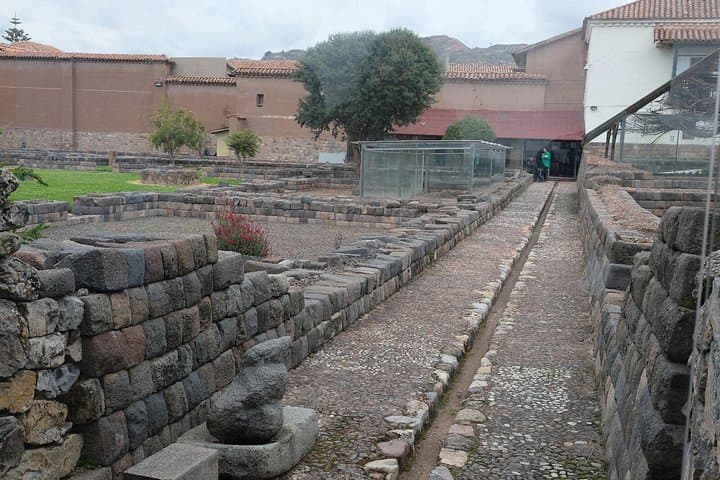
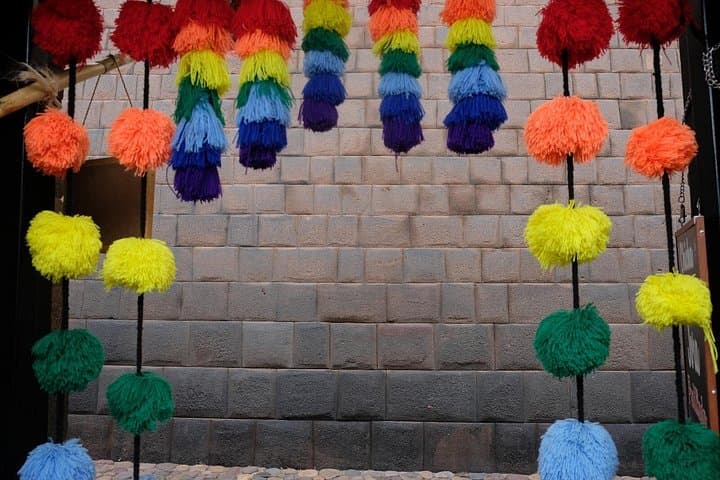
You step off the Plaza de Armas and the city tightens around you: narrow cobbled alleys slope under carved stone walls, sunlight cutting across red-tile roofs while the high Andes stand like watchful neighbors.
You step off the Plaza de Armas and the city tightens around you: narrow cobbled alleys slope under carved stone walls, sunlight cutting across red-tile roofs while the high Andes stand like watchful neighbors.
This two- to three-hour walking tour threads through Cusco’s layered history — the Inca capital foundations of precisely cut andesite blocks, the Spanish colonial churches and mansions that sit atop them, and modern Quechua culture that keeps traditions alive. Geologically, the city is carved from uplifted Andean rock; you’ll notice the massive, fitted stones of Inca masonry that survived earthquakes better than later masonry. Culturally, guides will point out how festivals, language and craft markets keep pre-Columbian practices visible in everyday life.
Highlights include the main square and its civic history, exterior views of the principal Inca temple remains, the famed 12-angled stone, small palaces like Pachacutec, a compact viewpoint over Cusco, and a short stop at the ChocoMuseo for a tasting that links local cacao to contemporary craft.
Practical notes: the route is mostly paved and cobbled with short climbs — expect uneven footing and short stair sections. Altitude (≈3,400 m) is real: move deliberately, drink water, and avoid heavy exertion the first day. Wear sturdy shoes, a sun layer, and a light rain shell if visiting during the wet season. Small-group format keeps the pace manageable; bring small bills for tips and museum entry if you plan to explore further. The tour is ideal as a first-day orientation to Cusco’s streets and stories.