THE ADVENTURE COLLECTIVE® · Independent discovery and booking for outdoor travel

Move through Kathmandu’s temple heart—Pashupatinath’s ghats, Budhanilkantha’s reclining Vishnu, and Krishna Mandir’s carved stone—on a private historical circuit. This practical guide explains what to expect, how to prepare, and local customs to respect.
Move through Kathmandu’s temple heart—Pashupatinath’s ghats, Budhanilkantha’s reclining Vishnu, and Krishna Mandir’s carved stone—on a private historical circuit. This practical guide explains what to expect, how to prepare, and local customs to respect.
The day opens at Pashupatinath with smoke and bell-rung rhythm, the Bagmati pushing past stone ghats as priests move through a steady, reverent choreography. Morning light finds the reclining basalt of Budhanilkantha gleaming beside the foot of Shivapuri; later, the carved platforms of Krishna Mandir catch the sun and reveal centuries of stonework.
Verified experiences and guided adventures in the surrounding area.
Operated by Nepal Holiday Makers Tours and Travels · Kathmandu, Bagmati Province
The day opens at Pashupatinath with smoke and bell-rung rhythm, the Bagmati pushing past stone ghats as priests move through a steady, reverent choreography. Morning light finds the reclining basalt of Budhanilkantha gleaming beside the foot of Shivapuri; later, the carved platforms of Krishna Mandir catch the sun and reveal centuries of stonework.
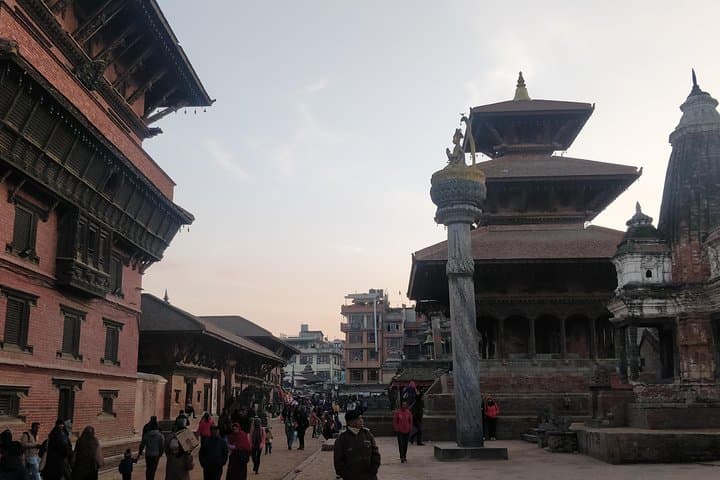
Kathmandu Valley is an alluvial bowl carved by rivers and filled by human hands over millennia. Malla kings shaped the city’s courtyard culture in the 17th century, leaving shikhara and pagoda forms—Krishna Mandir (1637) is a clear example—while Pashupatinath remains a living center of Shaiva devotion. Doleshwor Mahadev in nearby Bhaktapur ties regional pilgrimage routes together, and local Newar communities still run many temple rituals and festivals.
On this private circuit you’ll move by AC vehicle between sites, then walk temple grounds on uneven stone and compacted earth. Expect incense, bells, occasional ritual smoke, and active worship: photography rules and modest dress apply. Practical tips: arrive for the early aarti if possible, carry water and sun protection, and plan for variable dwelling times—shrines often require quiet observation.
This walk-and-drive loop is cultural rather than strenuous; it rewards patience and respectful curiosity. Time your visit to avoid peak crowds around major festivals, keep valuables secure, and leave space for spontaneous moments—an elder storyteller, a hidden courtyard, or a roadside tea stall that frames the history you’ve just witnessed.
easy.
1–7 hours.
Suitable for most fitness levels; involves short walks on uneven stone and some steps
Admission is typically not included for major sites—some temples request small donations; check your booking details and carry local currency.
Yes—it's classified as easy with vehicle transfers between sites, though expect some standing and walking on uneven surfaces.
Photography of ceremonies and cremation ghats is sensitive; follow posted rules and ask a guide or priest before taking photos of worshippers.
Private AC vehicle hotel pickup/drop-off is included; cancel at least 24 hours in advance for a full refund per policy.
Kathmandu Valley’s dense network of temples and courtyards grew under Newar artisans and Malla rulers; Krishna Mandir (1637) and surrounding stonework are notable Malla-era contributions.
The Bagmati River restoration and local heritage conservation efforts aim to reduce pollution and manage visitor impact—respect signage and avoid littering.
Nepal Holiday Makers Tours and Travels operates guided outdoor trips and adventures with an emphasis on safety, stewardship, and memorable experiences.
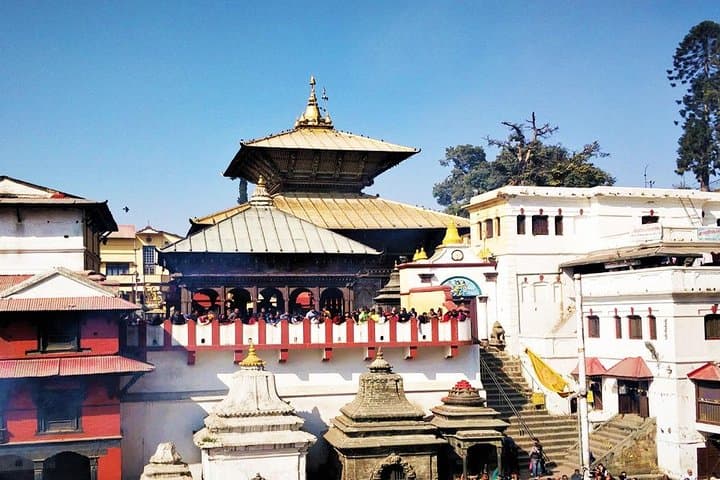
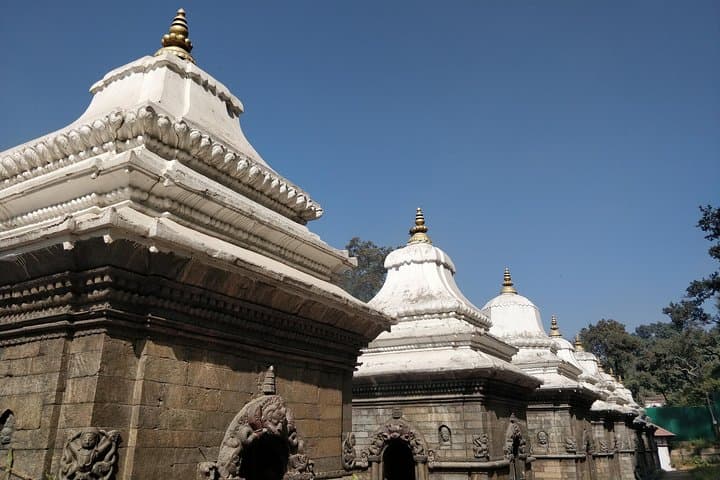
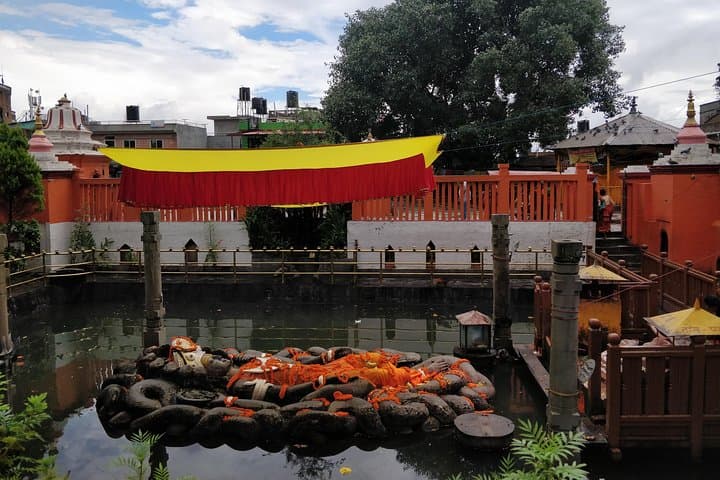
The day opens at Pashupatinath with smoke and bell-rung rhythm, the Bagmati pushing past stone ghats as priests move through a steady, reverent choreography. Morning light finds the reclining basalt of Budhanilkantha gleaming beside the foot of Shivapuri; later, the carved platforms of Krishna Mandir catch the sun and reveal centuries of stonework.
The day opens at Pashupatinath with smoke and bell-rung rhythm, the Bagmati pushing past stone ghats as priests move through a steady, reverent choreography. Morning light finds the reclining basalt of Budhanilkantha gleaming beside the foot of Shivapuri; later, the carved platforms of Krishna Mandir catch the sun and reveal centuries of stonework.
Kathmandu Valley is an alluvial bowl carved by rivers and filled by human hands over millennia. Malla kings shaped the city’s courtyard culture in the 17th century, leaving shikhara and pagoda forms—Krishna Mandir (1637) is a clear example—while Pashupatinath remains a living center of Shaiva devotion. Doleshwor Mahadev in nearby Bhaktapur ties regional pilgrimage routes together, and local Newar communities still run many temple rituals and festivals.
On this private circuit you’ll move by AC vehicle between sites, then walk temple grounds on uneven stone and compacted earth. Expect incense, bells, occasional ritual smoke, and active worship: photography rules and modest dress apply. Practical tips: arrive for the early aarti if possible, carry water and sun protection, and plan for variable dwelling times—shrines often require quiet observation.
This walk-and-drive loop is cultural rather than strenuous; it rewards patience and respectful curiosity. Time your visit to avoid peak crowds around major festivals, keep valuables secure, and leave space for spontaneous moments—an elder storyteller, a hidden courtyard, or a roadside tea stall that frames the history you’ve just witnessed.