THE ADVENTURE COLLECTIVE® · Independent discovery and booking for outdoor travel

A two-hour guided route through the Virgin River bottom between La Verkin and Hurricane that pairs volcanic geology with local history — from an old hydroelectric plant to an Ancestral Puebloan cave dwelling. Expect uneven river-bottom terrain, shade-lined stretches, and compact, interpretive storytelling.
A two-hour guided route through the Virgin River bottom between La Verkin and Hurricane that pairs volcanic geology with local history — from an old hydroelectric plant to an Ancestral Puebloan cave dwelling. Expect uneven river-bottom terrain, shade-lined stretches, and compact, interpretive storytelling.
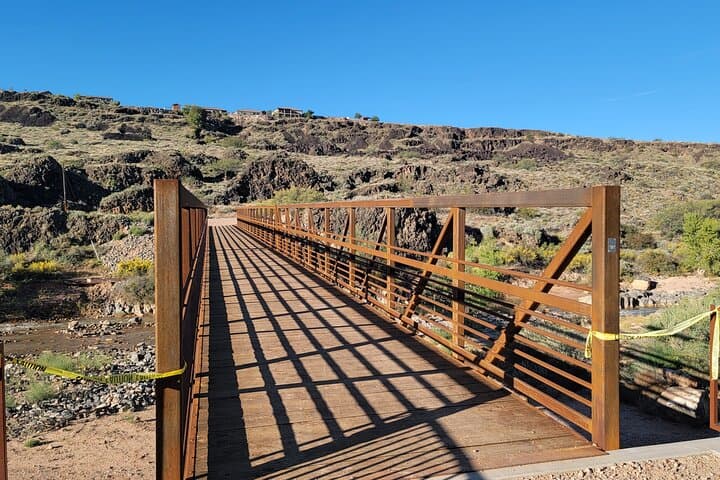
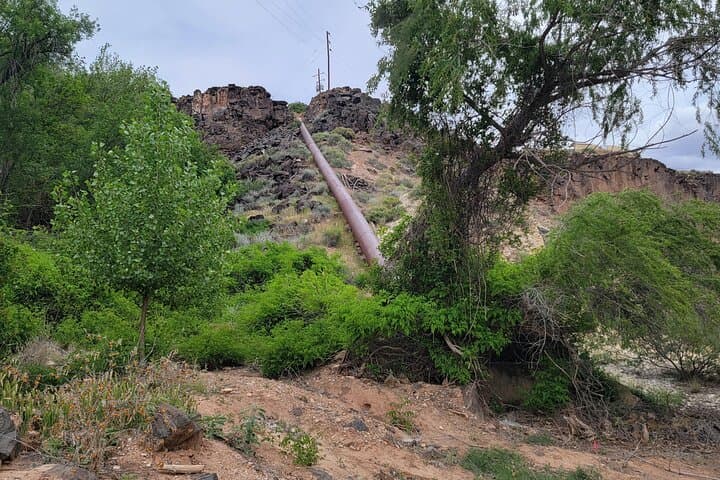
Stepping off the county road, the river bottom opens like a different latitude: basalt ribs and rounded cobbles underfoot, scrub cottonwoods shading narrow stretches, and the Virgin River daring you to listen close. The guide threads stories underfoot — of early 20th-century hydroelectric ambitions, a turkey granary left to weather, and an Ancestral Puebloan cave dwelling tucked into a volcanic outcrop — making the landscape feel inhabited across many eras.
Verified experiences and guided adventures in the surrounding area.
Operated by Ranger Reub Adventures · La Verkin, Utah
Stepping off the county road, the river bottom opens like a different latitude: basalt ribs and rounded cobbles underfoot, scrub cottonwoods shading narrow stretches, and the Virgin River daring you to listen close. The guide threads stories underfoot — of early 20th-century hydroelectric ambitions, a turkey granary left to weather, and an Ancestral Puebloan cave dwelling tucked into a volcanic outcrop — making the landscape feel inhabited across many eras.
Geology here is immediate. Basalt flows and volcanic fragments weather into low cliffs and hummocks; sand and silt collect in the riparian corridor where the river slows. Culturally, the corridor was a working landscape for settlers who harnessed water for power and agriculture; older traces link the place to Indigenous peoples who used the river’s resources and caves for shelter.
On this roughly two-hour guided route expect mostly flat but uneven terrain: sandy patches, rock steps, and the occasional wash. Trails can be narrow through tamarisk and cottonwood; footing is intermittent. Wildlife moves at the edges — deer browses, songbirds and the occasional heron stalking the shallows.
Practical edge: go early to avoid mid-day heat, carry at least one liter of water per hour in summer, and wear closed-toe shoes with sure footing. Respect archaeological sites — do not enter or touch cave features — and stick to the guide’s route to protect fragile riparian vegetation. The tour is moderate pace, accessible to hikers with average fitness, and offers a compact, history-rich alternative to the busier canyon trails of Southern Utah.
moderate.
2 hours.
Suitable for hikers with a moderate fitness baseline; able to navigate uneven footing for two hours.
The guided outing lasts about two hours and is described as moderate — mostly flat but with uneven volcanic rock and sandy sections that require steady footing.
Children who can handle uneven terrain and walk for two hours are fine; strollers are not recommended due to rocky and sandy trail sections.
No — guides will point out historic and archaeological sites, but visitors should not enter or disturb cave dwellings to protect cultural resources.
Service animals are allowed per the listing; pets are not explicitly listed and may not be appropriate due to sensitive habitat and cultural sites.
The river corridor supported early 20th-century agricultural and small-scale hydroelectric efforts; earlier still, Ancestral Puebloan groups used caves and river resources seasonally.
This riparian corridor is ecologically sensitive; stick to the guide’s route, avoid trampling vegetation, and pack out all trash to protect habitat and archaeological sites.
Ranger Reub Adventures operates guided outdoor trips and adventures with an emphasis on safety, stewardship, and memorable experiences.


Stepping off the county road, the river bottom opens like a different latitude: basalt ribs and rounded cobbles underfoot, scrub cottonwoods shading narrow stretches, and the Virgin River daring you to listen close. The guide threads stories underfoot — of early 20th-century hydroelectric ambitions, a turkey granary left to weather, and an Ancestral Puebloan cave dwelling tucked into a volcanic outcrop — making the landscape feel inhabited across many eras.
Stepping off the county road, the river bottom opens like a different latitude: basalt ribs and rounded cobbles underfoot, scrub cottonwoods shading narrow stretches, and the Virgin River daring you to listen close. The guide threads stories underfoot — of early 20th-century hydroelectric ambitions, a turkey granary left to weather, and an Ancestral Puebloan cave dwelling tucked into a volcanic outcrop — making the landscape feel inhabited across many eras.
Geology here is immediate. Basalt flows and volcanic fragments weather into low cliffs and hummocks; sand and silt collect in the riparian corridor where the river slows. Culturally, the corridor was a working landscape for settlers who harnessed water for power and agriculture; older traces link the place to Indigenous peoples who used the river’s resources and caves for shelter.
On this roughly two-hour guided route expect mostly flat but uneven terrain: sandy patches, rock steps, and the occasional wash. Trails can be narrow through tamarisk and cottonwood; footing is intermittent. Wildlife moves at the edges — deer browses, songbirds and the occasional heron stalking the shallows.
Practical edge: go early to avoid mid-day heat, carry at least one liter of water per hour in summer, and wear closed-toe shoes with sure footing. Respect archaeological sites — do not enter or touch cave features — and stick to the guide’s route to protect fragile riparian vegetation. The tour is moderate pace, accessible to hikers with average fitness, and offers a compact, history-rich alternative to the busier canyon trails of Southern Utah.