THE ADVENTURE COLLECTIVE® · Independent discovery and booking for outdoor travel

Trace three centuries of maritime life where the Thames still writes the margins: a private, three‑hour guided walk through Wapping's docks, pubs and river stairs. Expect cobbles, strong stories and salty air—plus practical tips to make the most of low tide views.
Trace three centuries of maritime life where the Thames still writes the margins: a private, three‑hour guided walk through Wapping's docks, pubs and river stairs. Expect cobbles, strong stories and salty air—plus practical tips to make the most of low tide views.
A cold wind from the Thames slides down Narrow Street as you step off the Docklands skyline and into the long, salt-streaked story of Wapping. The river here still sets the tempo — tides draw back to expose old timber stairs, gulls wheel above warehouses, and the pubs open their doors where sailors once took their last drinks. You move from modern glass to weathered brick in minutes.
Verified experiences and guided adventures in the surrounding area.
Operated by Ye Olde England Tours · London, Greater London
A cold wind from the Thames slides down Narrow Street as you step off the Docklands skyline and into the long, salt-streaked story of Wapping. The river here still sets the tempo — tides draw back to expose old timber stairs, gulls wheel above warehouses, and the pubs open their doors where sailors once took their last drinks. You move from modern glass to weathered brick in minutes.
Wapping's name comes from the Anglo‑Saxon Wapol — marsh — and its streets record centuries: Tudor sailors, Victorian dock labour, Dickensian slums, wartime bombing and post‑industrial reinvention. The geology is simple — the Thames floodplain — but its human layers are deep, carved by trade, empire and punishment. You'll pass sites linked to Captain Cook, Sir Walter Raleigh, Captain Bligh and the hanging benches where pirates met the river.
Local culture is blunt and practical: pubs were inns, courts and community hubs; charity schools and dockside cooperatives reshaped lives. The Museum of London Docklands frames that change with maps, ledgers and dock models.
Practical guidance: this private three‑hour walk covers roughly 2–3 miles on paved streets and uneven cobbles; wear supportive shoes and be prepared for gusts off the river. Timing matters — late morning avoids commuter crush and brings lower tide windows to see old stairs. Keep an eye out for uneven steps by the foreshore and bring a contactless card for a quick pint or museum donation. The guide steers the route, but the river will still surprise you.
easy.
3 hours.
Suitable for most fitness levels; requires standing and walking 2–3 miles on paved and cobbled surfaces.
The walk typically begins in Docklands and ends beneath Tower Bridge in the old docks area, close to public transport links.
Yes — much of the route is stroller‑accessible, though some riverside steps are not; check with the guide if you need a fully step‑free option.
The tour visits famous pubs externally and offers time to enter for a drink; food and drinks are not included in the price.
Full refunds are available if you cancel at least 24 hours before the scheduled departure.
Wapping grew from an Anglo‑Saxon marsh to a global port; its docks and pubs were focal points for sailors, trade and public executions along the Thames.
The tidal Thames is a recovering urban ecosystem; visitors should avoid disturbing riverbanks, dispose of litter responsibly and respect private quayfronts.
Ye Olde England Tours operates guided outdoor trips and adventures with an emphasis on safety, stewardship, and memorable experiences.
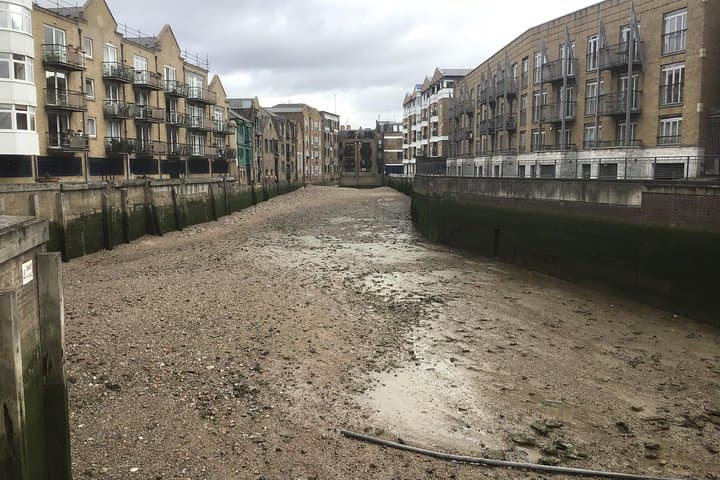
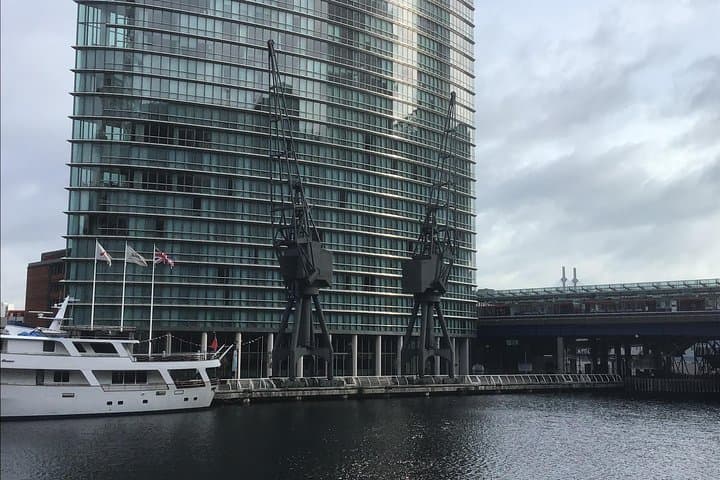
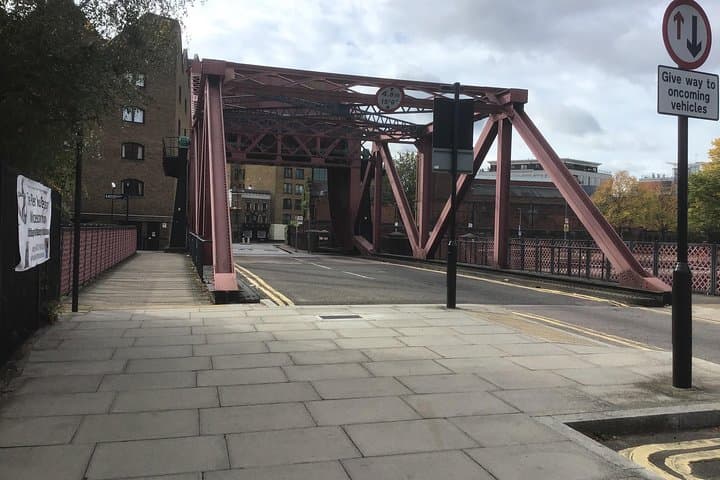
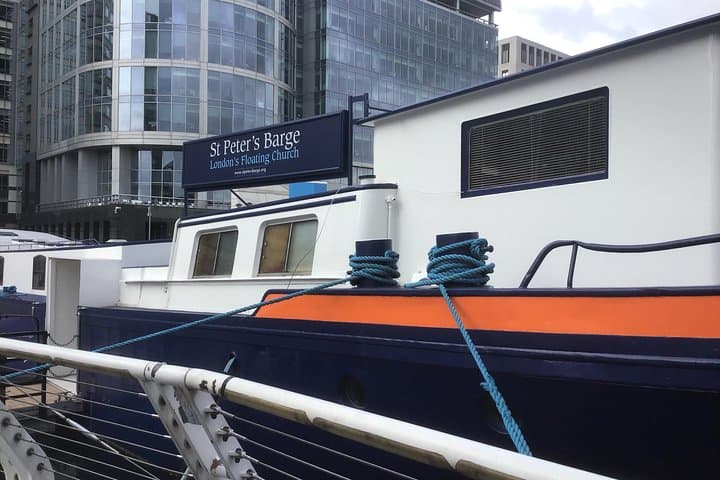
A cold wind from the Thames slides down Narrow Street as you step off the Docklands skyline and into the long, salt-streaked story of Wapping. The river here still sets the tempo — tides draw back to expose old timber stairs, gulls wheel above warehouses, and the pubs open their doors where sailors once took their last drinks. You move from modern glass to weathered brick in minutes.
A cold wind from the Thames slides down Narrow Street as you step off the Docklands skyline and into the long, salt-streaked story of Wapping. The river here still sets the tempo — tides draw back to expose old timber stairs, gulls wheel above warehouses, and the pubs open their doors where sailors once took their last drinks. You move from modern glass to weathered brick in minutes.
Wapping's name comes from the Anglo‑Saxon Wapol — marsh — and its streets record centuries: Tudor sailors, Victorian dock labour, Dickensian slums, wartime bombing and post‑industrial reinvention. The geology is simple — the Thames floodplain — but its human layers are deep, carved by trade, empire and punishment. You'll pass sites linked to Captain Cook, Sir Walter Raleigh, Captain Bligh and the hanging benches where pirates met the river.
Local culture is blunt and practical: pubs were inns, courts and community hubs; charity schools and dockside cooperatives reshaped lives. The Museum of London Docklands frames that change with maps, ledgers and dock models.
Practical guidance: this private three‑hour walk covers roughly 2–3 miles on paved streets and uneven cobbles; wear supportive shoes and be prepared for gusts off the river. Timing matters — late morning avoids commuter crush and brings lower tide windows to see old stairs. Keep an eye out for uneven steps by the foreshore and bring a contactless card for a quick pint or museum donation. The guide steers the route, but the river will still surprise you.