THE ADVENTURE COLLECTIVE® · Independent discovery and booking for outdoor travel

Spend a full day tracing the founding chapters of the United States, from Jamestown’s 1607 settlement to the 1781 Siege of Yorktown. This guided tour pairs on-site interpretation with a local lunch and accessible transportation for a comprehensive Historic Triangle experience.
Spend a full day tracing the founding chapters of the United States, from Jamestown’s 1607 settlement to the 1781 Siege of Yorktown. This guided tour pairs on-site interpretation with a local lunch and accessible transportation for a comprehensive Historic Triangle experience.
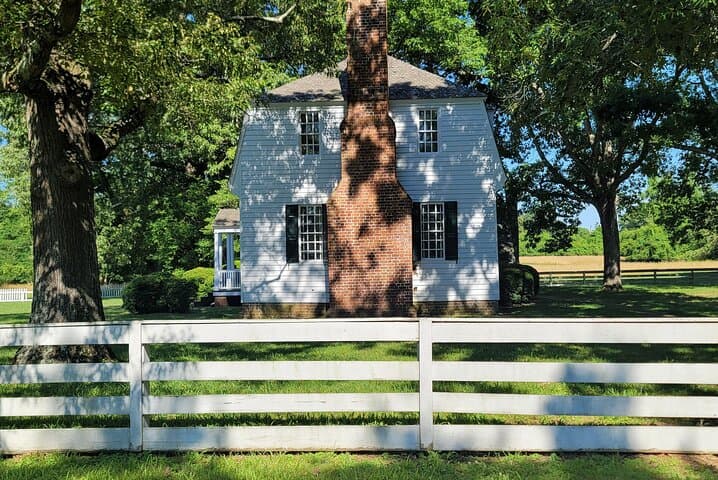
You step out of an air-conditioned shuttle into salt-thin air and the James River spreads flat and patient to your left, as if time itself had paused here. The tour begins with the raw early-17th-century story at Jamestown—reconstructed fort palisades, quietly busy archaeological digs, and wooden walkways that creak with stories.
Verified experiences and guided adventures in the surrounding area.
Operated by Oleta Tour & Travel, Inc. · Williamsburg, Virginia
You step out of an air-conditioned shuttle into salt-thin air and the James River spreads flat and patient to your left, as if time itself had paused here. The tour begins with the raw early-17th-century story at Jamestown—reconstructed fort palisades, quietly busy archaeological digs, and wooden walkways that creak with stories.
The route moves forward in time: from Jamestown’s 1607 settlement and the colonial struggles that shaped Virginia, to the 18th-century military landscape where the Siege of Yorktown in 1781 decided a nation. Geologically this low coastal plain is defined by tidal rivers and estuarine marshes; the land is low and flat, with views framed by grass and osprey-perched pilings rather than steep ridgelines.
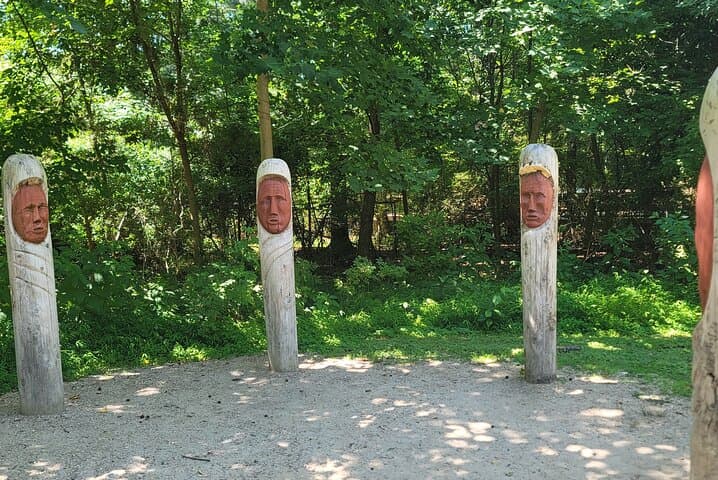
Culturally the day is intimate—guided interpretation at Jamestown and Yorktown War Museum, a local-cafe lunch offering colonial-style fare if you choose, and a battlefield drive with photo stops where cannons still point toward the river. Guides stitch local anecdotes about settlers, soldiers, and the Native peoples whose presence predates both sites.
Practical notes: plan for a 9–10 hour day with about 3–4 miles of walking total split across sites on mostly flat, accessible paths. Moderate fitness is helpful for multiple short walks and standing through exhibits. Wear comfortable walking shoes, bring sun protection and a refillable water bottle, and charge your camera—the light off the marshes is sharp.
Accessibility is generally good—wheelchair-accessible paths and transportation are provided—but check specific needs when booking. Arrive early, since the day covers a lot of ground and rewards those who pay attention to small details.
moderate.
9–10 hours.
Should be able to walk short distances multiple times and stand through museum talks; overall moderate endurance required.
Yes, the tour includes admission to the primary attractions listed in the itinerary.
Yes—lunch at a locally owned cafe is included and can be colonial-style or a more traditional meal; dietary needs can be accommodated.
Most transportation and site pathways are wheelchair accessible; notify the operator when booking for specific assistance.
Shared tours can include up to 40 travelers, with a local guide leading interpretation and logistics.
Jamestown (1607) marks the first permanent English settlement in North America; Yorktown’s 1781 siege effectively ended major combat in the American Revolution.
Both sites are actively preserved—stick to marked trails, avoid disturbing archaeological areas, and follow signage to protect fragile marsh and historic resources.
Oleta Tour & Travel, Inc. operates guided outdoor trips and adventures with an emphasis on safety, stewardship, and memorable experiences.

You step out of an air-conditioned shuttle into salt-thin air and the James River spreads flat and patient to your left, as if time itself had paused here. The tour begins with the raw early-17th-century story at Jamestown—reconstructed fort palisades, quietly busy archaeological digs, and wooden walkways that creak with stories.
You step out of an air-conditioned shuttle into salt-thin air and the James River spreads flat and patient to your left, as if time itself had paused here. The tour begins with the raw early-17th-century story at Jamestown—reconstructed fort palisades, quietly busy archaeological digs, and wooden walkways that creak with stories.
The route moves forward in time: from Jamestown’s 1607 settlement and the colonial struggles that shaped Virginia, to the 18th-century military landscape where the Siege of Yorktown in 1781 decided a nation. Geologically this low coastal plain is defined by tidal rivers and estuarine marshes; the land is low and flat, with views framed by grass and osprey-perched pilings rather than steep ridgelines.
Culturally the day is intimate—guided interpretation at Jamestown and Yorktown War Museum, a local-cafe lunch offering colonial-style fare if you choose, and a battlefield drive with photo stops where cannons still point toward the river. Guides stitch local anecdotes about settlers, soldiers, and the Native peoples whose presence predates both sites.
Practical notes: plan for a 9–10 hour day with about 3–4 miles of walking total split across sites on mostly flat, accessible paths. Moderate fitness is helpful for multiple short walks and standing through exhibits. Wear comfortable walking shoes, bring sun protection and a refillable water bottle, and charge your camera—the light off the marshes is sharp.
Accessibility is generally good—wheelchair-accessible paths and transportation are provided—but check specific needs when booking. Arrive early, since the day covers a lot of ground and rewards those who pay attention to small details.