THE ADVENTURE COLLECTIVE® · Independent discovery and booking for outdoor travel

Walk from Johnson Square through five of Savannah’s historic squares with a former National Park Service ranger. This two-hour tour pairs detailed local history with practical insights—ideal for first-timers and residents wanting deeper context.
Walk from Johnson Square through five of Savannah’s historic squares with a former National Park Service ranger. This two-hour tour pairs detailed local history with practical insights—ideal for first-timers and residents wanting deeper context.
The tour opens on the north side of Johnson Square, where the live oaks lean and the city’s brick grid seems to breathe with layered history. You’ll move square to square—five in total—walking under moss-draped limbs while a former National Park Service ranger threads together fights, funerals, fashions, and fortunes that shaped this port city.
Verified experiences and guided adventures in the surrounding area.
Operated by Savannah True History Tours · Savannah, Georgia
The tour opens on the north side of Johnson Square, where the live oaks lean and the city’s brick grid seems to breathe with layered history. You’ll move square to square—five in total—walking under moss-draped limbs while a former National Park Service ranger threads together fights, funerals, fashions, and fortunes that shaped this port city.
Savannah began in 1733 under James Oglethorpe and the Oglethorpe Plan, a pragmatic civic grid of public squares that still structures daily life. Geologically the area sits on the Atlantic Coastal Plain; the Savannah River defines the city’s rise as a trading hub and explains the flat streets, salt-scented air, and maritime architecture you'll notice. Culturally, expect stories of antebellum wealth and the labor that built it, Civil War Federal occupation, and the 20th-century revival sparked by preservationists and later boosted by tourism.
Practical guidance comes next: the walk is two hours, covers roughly 1–1.5 miles on mostly even brick and cobblestone, and moves at an easy pace with stops of about 20 minutes per square. Accessibility is good—wheelchair- and stroller-friendly routes are available—but cobbles can be bumpy.
Bring comfortable, supportive shoes and a refillable water bottle; summer afternoons get hot and humid, and spring and fall bring busy streets. Plan to start early to beat crowds and heat, and allow time after the tour to linger at a café or to visit nearby museums. This is a history walk that reads the city’s built fabric aloud—expect facts, characters, and the quieter human stories between them.
easy.
2 hours.
Suitable for most fitness levels; participants should be able to stand and walk at a gentle pace for two hours.
Meet on the north side of Johnson Square nearest Bryan Street; the tour finishes about three-quarters of a mile away from the start.
Yes—routes and surfaces are wheelchair- and stroller-accessible, though some cobbles may be bumpy.
Public restrooms are limited; guides can point out nearby facilities, but plan to use a café or museum before starting if needed.
Tipping is customary for guided walking tours—10–20% of the tour price is standard if you enjoyed the experience.
Savannah was founded in 1733 under James Oglethorpe using the Oglethorpe Plan—a grid of public squares designed for defense and civic order.
Savannah’s preservation movement protects its squares and historic buildings; visitors are encouraged to stay on paths, avoid trampling plantings, and support local conservation-minded businesses.
Savannah True History Tours operates guided outdoor trips and adventures with an emphasis on safety, stewardship, and memorable experiences.
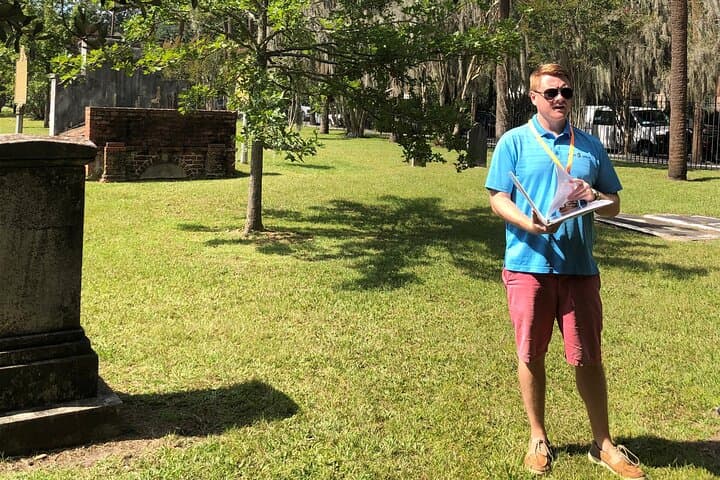
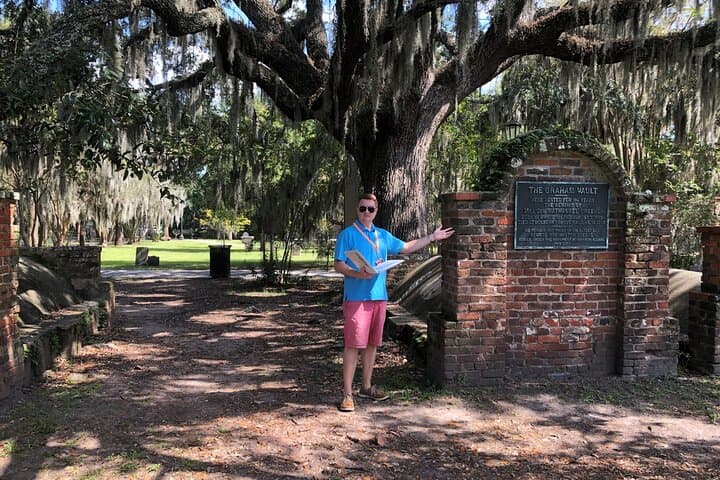
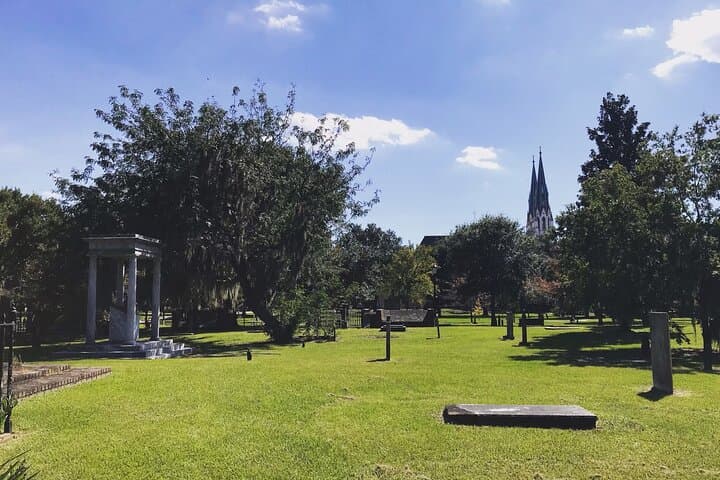
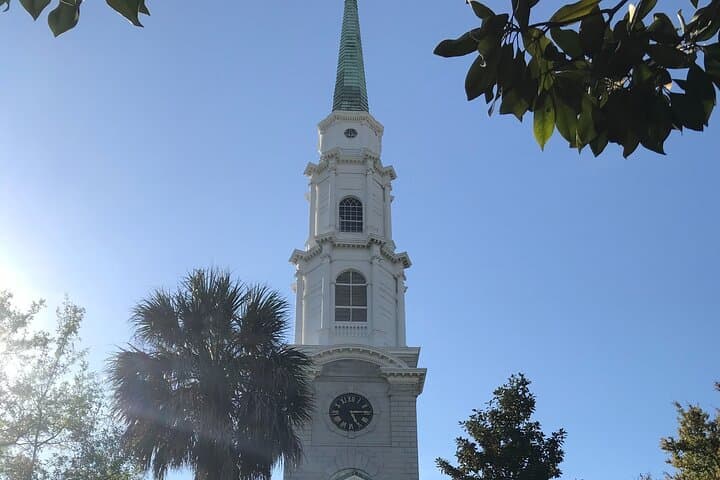
The tour opens on the north side of Johnson Square, where the live oaks lean and the city’s brick grid seems to breathe with layered history. You’ll move square to square—five in total—walking under moss-draped limbs while a former National Park Service ranger threads together fights, funerals, fashions, and fortunes that shaped this port city.
The tour opens on the north side of Johnson Square, where the live oaks lean and the city’s brick grid seems to breathe with layered history. You’ll move square to square—five in total—walking under moss-draped limbs while a former National Park Service ranger threads together fights, funerals, fashions, and fortunes that shaped this port city.
Savannah began in 1733 under James Oglethorpe and the Oglethorpe Plan, a pragmatic civic grid of public squares that still structures daily life. Geologically the area sits on the Atlantic Coastal Plain; the Savannah River defines the city’s rise as a trading hub and explains the flat streets, salt-scented air, and maritime architecture you'll notice. Culturally, expect stories of antebellum wealth and the labor that built it, Civil War Federal occupation, and the 20th-century revival sparked by preservationists and later boosted by tourism.
Practical guidance comes next: the walk is two hours, covers roughly 1–1.5 miles on mostly even brick and cobblestone, and moves at an easy pace with stops of about 20 minutes per square. Accessibility is good—wheelchair- and stroller-friendly routes are available—but cobbles can be bumpy.
Bring comfortable, supportive shoes and a refillable water bottle; summer afternoons get hot and humid, and spring and fall bring busy streets. Plan to start early to beat crowds and heat, and allow time after the tour to linger at a café or to visit nearby museums. This is a history walk that reads the city’s built fabric aloud—expect facts, characters, and the quieter human stories between them.