THE ADVENTURE COLLECTIVE® · Independent discovery and booking for outdoor travel

Stroll Oglethorpe Square with a local guide to trace Savannah’s 18th‑century plan, architecture and riverfront history. This two‑hour guided walk mixes close‑up details with big‑picture stories to orient first‑time visitors.
Stroll Oglethorpe Square with a local guide to trace Savannah’s 18th‑century plan, architecture and riverfront history. This two‑hour guided walk mixes close‑up details with big‑picture stories to orient first‑time visitors.
Morning light filters through live oaks as you gather on the south side of Oglethorpe Square, the square’s ironwork catching a soft gleam while a guide pulls open a map of the city’s 18th‑century plan.
Verified experiences and guided adventures in the surrounding area.
Operated by Noble Jones Tours, LLC · Savannah, Georgia
Morning light filters through live oaks as you gather on the south side of Oglethorpe Square, the square’s ironwork catching a soft gleam while a guide pulls open a map of the city’s 18th‑century plan.
The two‑hour walk threads through Savannah’s compact grid of squares, where brick paths, historic homes and colonial churches reveal layers of civic design ordered by James Oglethorpe in 1733. Geology and water shaped this place: the low coastal plain, tidal creeks and the Savannah River dictated where the city rose and how commerce flowed, producing a waterfront that grew from rice and cotton trade into today’s riverfront promenade.
Culture here is tactile — wrought‑iron balconies, Greek Revival facades and congregations that once defined neighborhoods still mark social life. Guides translate architectural details into stories of merchants, enslaved people, and reformers, linking stones and porches to the larger arc of Southern history.
Practical guidance is direct: expect two miles of walking on mostly flat paved streets and brick sidewalks, intermittent shade, and frequent stops for interpretation. Wear supportive shoes, carry water, and plan for summer humidity or sudden rain. The tour finishes where it began, giving a tidy loop to orient new arrivals and point toward optional follow‑ups — a museum house, the riverwalk, or a quieter square for a late lunch.
It’s an introductory immersion that arms you with names, dates and routes so you can wander further informed and aware of the choices that shaped Savannah’s public life.
moderate.
2 hours.
Should be comfortable walking 1.5–3 miles on mostly flat urban terrain and able to stand for short interpretive stops.
The tour lasts about two hours and covers roughly 1.5–2 miles on paved and brick surfaces.
Yes — the operator lists the tour as wheelchair accessible, though some historic sidewalks can be uneven; contact the provider for specific accommodations.
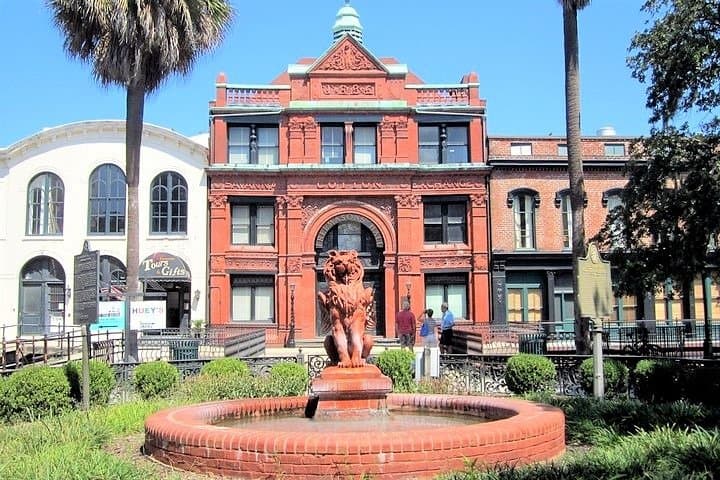
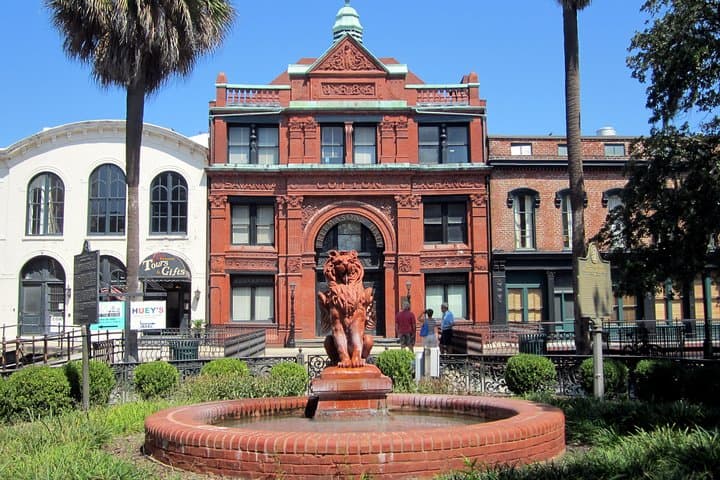
Meet on the south end of Oglethorpe Square at 127 Abercorn Street in front of the four‑story building with ironwork on the second level.
Children are welcome but must be accompanied by an adult; strollers are usable on most sections of the route.
Savannah’s famous grid of public squares was laid out by James Oglethorpe in 1733 as part of a social and military plan that organized the young colony into residential wards.
The Historic District is protected by local preservation ordinances; visitors should stick to sidewalks, avoid trampling lawns and support small local businesses to sustain the neighborhood.
Noble Jones Tours, LLC operates guided outdoor trips and adventures with an emphasis on safety, stewardship, and memorable experiences.
Morning light filters through live oaks as you gather on the south side of Oglethorpe Square, the square’s ironwork catching a soft gleam while a guide pulls open a map of the city’s 18th‑century plan.
Morning light filters through live oaks as you gather on the south side of Oglethorpe Square, the square’s ironwork catching a soft gleam while a guide pulls open a map of the city’s 18th‑century plan.
The two‑hour walk threads through Savannah’s compact grid of squares, where brick paths, historic homes and colonial churches reveal layers of civic design ordered by James Oglethorpe in 1733. Geology and water shaped this place: the low coastal plain, tidal creeks and the Savannah River dictated where the city rose and how commerce flowed, producing a waterfront that grew from rice and cotton trade into today’s riverfront promenade.
Culture here is tactile — wrought‑iron balconies, Greek Revival facades and congregations that once defined neighborhoods still mark social life. Guides translate architectural details into stories of merchants, enslaved people, and reformers, linking stones and porches to the larger arc of Southern history.
Practical guidance is direct: expect two miles of walking on mostly flat paved streets and brick sidewalks, intermittent shade, and frequent stops for interpretation. Wear supportive shoes, carry water, and plan for summer humidity or sudden rain. The tour finishes where it began, giving a tidy loop to orient new arrivals and point toward optional follow‑ups — a museum house, the riverwalk, or a quieter square for a late lunch.
It’s an introductory immersion that arms you with names, dates and routes so you can wander further informed and aware of the choices that shaped Savannah’s public life.