THE ADVENTURE COLLECTIVE® · Independent discovery and booking for outdoor travel

Explore the restored L&N Depot and climb into five historic railcars on a 45-minute guided tour in Bowling Green. This compact experience pairs museum galleries with close-up views of diner, sleeper, and presidential cars.
Explore the restored L&N Depot and climb into five historic railcars on a 45-minute guided tour in Bowling Green. This compact experience pairs museum galleries with close-up views of diner, sleeper, and presidential cars.
You step off College Street and the depot’s broad brick façade fills the view—an honest, working building from 1925 that once sent more than 20 trains a day toward Louisville and Nashville. Inside, timber beams and glass windows hold the quiet hum of engines and stories; outside, 450 feet of track line up a parade of restored railcars that draw close enough to touch on a guided walk.
Verified experiences and guided adventures in the surrounding area.
Operated by Historic RailPark Train Museum · Bowling Green, Kentucky
You step off College Street and the depot’s broad brick façade fills the view—an honest, working building from 1925 that once sent more than 20 trains a day toward Louisville and Nashville. Inside, timber beams and glass windows hold the quiet hum of engines and stories; outside, 450 feet of track line up a parade of restored railcars that draw close enough to touch on a guided walk.
The RailPark occupies the former Louisville & Nashville Depot, built during the boom of early-20th-century rail travel. The museum traces regional transport, industry, and social history: the diner cars that fed shift workers, the Pullman sleepers that carried travelers overnight, and a Presidential office car that reveals how railroads shaped politics and commerce.
Geology and landscape play a supporting role—Kentucky’s rolling plains made the region a rail crossroads—while local culture comes through in exhibits about migration, commerce, and companies like Duncan Hines, whose name graces a restored diner car.
Practicalities: the 45-minute guided railcar tour complements a self-guided museum visit; all ages and mobility levels can enjoy most exhibits, and staff can assist with access to cars where feasible. Arrive early to photograph polished stainless steel before midday crowds, and allow extra time if you want to linger in the depot’s galleries. Wear comfortable shoes for walking between cars, and bring a small reusable water bottle—there’s little shade on the tracks in summer. The tour is compact but rich: expect close-up historic interiors, firsthand stories from docents, and a clear sense of how rail shaped Bowling Green’s growth.
easy.
45 minutes.
Minimal; suitable for most ages and physical shapes with short walks and some steps
The guided railcar portion runs about 45 minutes and is included with admission to the museum.
Yes—the museum and most public spaces are accessible; some vintage railcars have narrow or raised thresholds—staff can advise or assist.
Photography for personal use is allowed; be mindful of other visitors and any posted restrictions in specific cars.
Yes—children can enjoy the cars and exhibits, though supervision is recommended around tracks and steps.
The L&N Depot was rebuilt in 1925 and served as a regional hub connecting Bowling Green with Louisville and Nashville at the height of rail travel.
The museum focuses on preservation of historic rail equipment and promotes low-impact visitation; visitors help by following posted guidelines and avoiding touching fragile interiors.
Historic RailPark Train Museum operates guided outdoor trips and adventures with an emphasis on safety, stewardship, and memorable experiences.
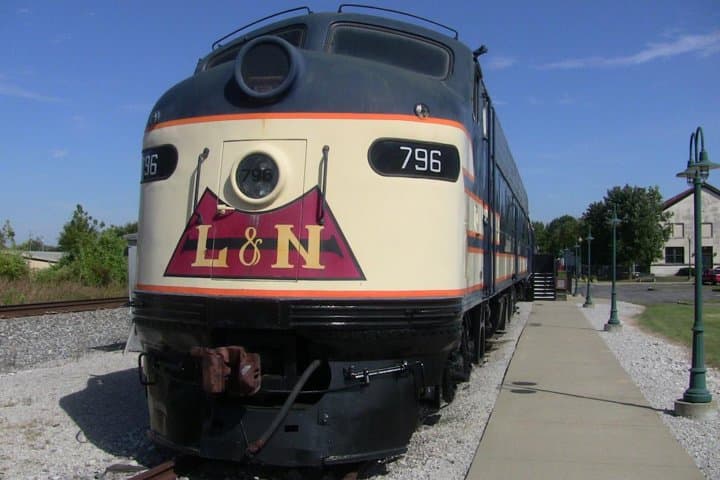
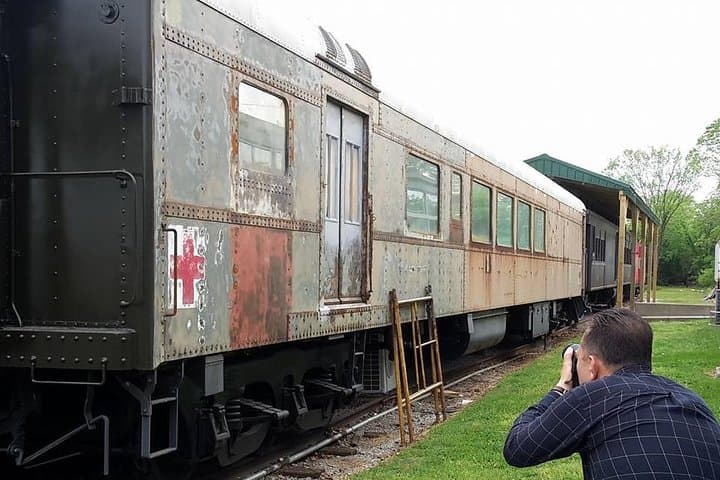
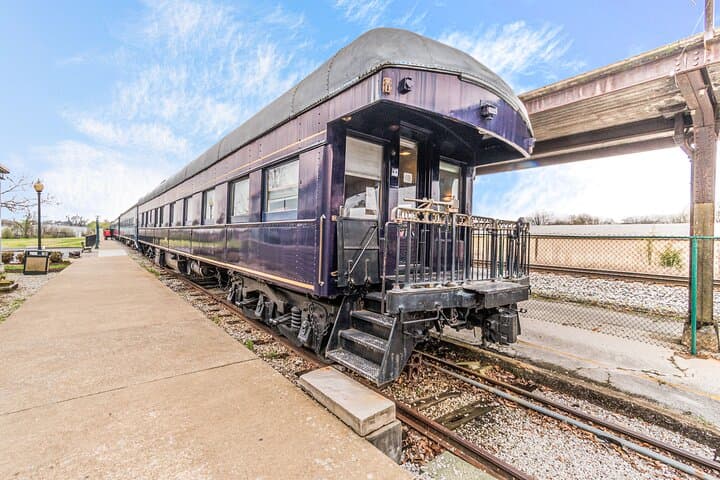
You step off College Street and the depot’s broad brick façade fills the view—an honest, working building from 1925 that once sent more than 20 trains a day toward Louisville and Nashville. Inside, timber beams and glass windows hold the quiet hum of engines and stories; outside, 450 feet of track line up a parade of restored railcars that draw close enough to touch on a guided walk.
You step off College Street and the depot’s broad brick façade fills the view—an honest, working building from 1925 that once sent more than 20 trains a day toward Louisville and Nashville. Inside, timber beams and glass windows hold the quiet hum of engines and stories; outside, 450 feet of track line up a parade of restored railcars that draw close enough to touch on a guided walk.
The RailPark occupies the former Louisville & Nashville Depot, built during the boom of early-20th-century rail travel. The museum traces regional transport, industry, and social history: the diner cars that fed shift workers, the Pullman sleepers that carried travelers overnight, and a Presidential office car that reveals how railroads shaped politics and commerce.
Geology and landscape play a supporting role—Kentucky’s rolling plains made the region a rail crossroads—while local culture comes through in exhibits about migration, commerce, and companies like Duncan Hines, whose name graces a restored diner car.
Practicalities: the 45-minute guided railcar tour complements a self-guided museum visit; all ages and mobility levels can enjoy most exhibits, and staff can assist with access to cars where feasible. Arrive early to photograph polished stainless steel before midday crowds, and allow extra time if you want to linger in the depot’s galleries. Wear comfortable shoes for walking between cars, and bring a small reusable water bottle—there’s little shade on the tracks in summer. The tour is compact but rich: expect close-up historic interiors, firsthand stories from docents, and a clear sense of how rail shaped Bowling Green’s growth.