THE ADVENTURE COLLECTIVE® · Independent discovery and booking for outdoor travel

Walk Old Québec at your own pace with an interactive audio guide that connects 11 historic sites from the Marie-Guyart observatory to the Old Port. Expect 2–3 hours of cobblestones, city views, and layered history with practical tips for comfort and timing.
Walk Old Québec at your own pace with an interactive audio guide that connects 11 historic sites from the Marie-Guyart observatory to the Old Port. Expect 2–3 hours of cobblestones, city views, and layered history with practical tips for comfort and timing.
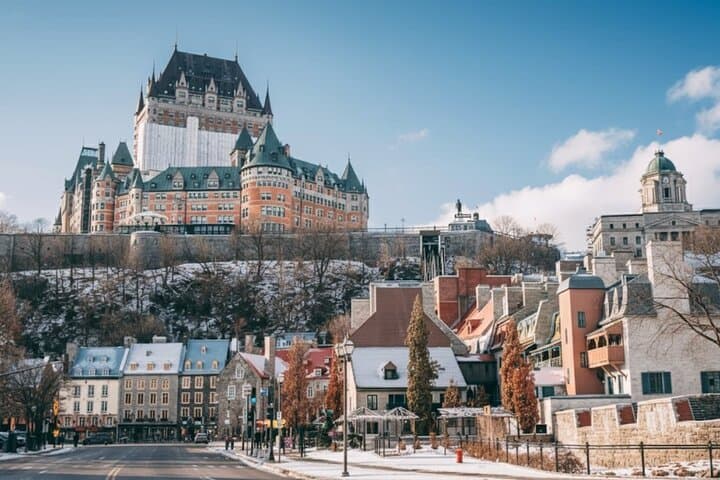
A sharp wind off the St. Lawrence cuts across Dufferin Terrace as you step out from the city’s highest public viewpoint. Below, rooftops slope toward the river and the green copper turret of Château Frontenac punctuates the skyline; cobblestones click underfoot and the city’s layered past begins to speak through stone and iron.
Verified experiences and guided adventures in the surrounding area.
Operated by Ciceru · Québec City, Quebec
A sharp wind off the St. Lawrence cuts across Dufferin Terrace as you step out from the city’s highest public viewpoint. Below, rooftops slope toward the river and the green copper turret of Château Frontenac punctuates the skyline; cobblestones click underfoot and the city’s layered past begins to speak through stone and iron.
This self-guided walking tour threads 11 points of interest through Old Québec, from the Marie-Guyart observatory to the Old Port. Travelers encounter a living palimpsest: Champlain’s 1608 settlement at Place Royale, the star-shaped Citadelle carved into Cap Diamant, and Notre-Dame’s resilient façade rebuilt across centuries. The route follows historic ramparts, reclaimed promenades, and commercial arteries where sailors and traders once crowded the Rue du Petit-Champlain.
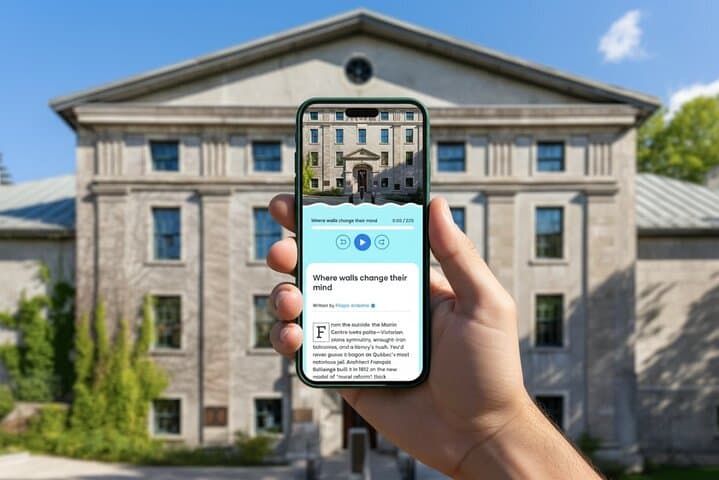
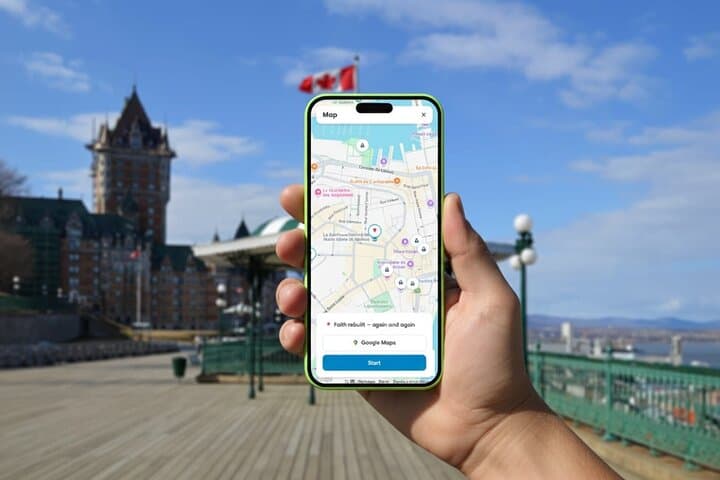
Expect roughly 3–4 km of walking over uneven cobbles with about 60–100 m of elevation gain as you move between terraces and the riverfront; plan 2–3 hours to listen and linger. The guide is delivered via smartphone in multiple languages and works without a dedicated app, so a charged device and headphones make the narrative seamless. Watch your step on slick stone after rain, and time your visit for golden-hour light on the château or quieter mornings before cruise crowds.
Practical: wear supportive shoes, carry a light waterproof layer, hydrate, and download any offline maps if your phone plan is limited. This tour suits solo travelers and families who want history at their own pace while keeping the practicalities of urban walking in mind.
easy.
2–3 hours.
Suitable for all fitness levels; requires steady mobility for several kilometers and short flights of stairs.
Plan for about 2–3 hours on a 3–4 km route with roughly 60–100 m of cumulative elevation gain between terraces and the riverfront.
No dedicated app is required, but ensure your smartphone is charged; download any necessary materials or maps beforehand if you expect limited data.
Parts of Old Québec include steep ramps and cobblestones; while some sections are manageable, full accessibility is limited—check specific segments ahead of time.
The audio guide is offered in multiple languages including English, French, German, Italian, Spanish, Portuguese, and Chinese.
Québec City was founded by Samuel de Champlain in 1608; Old Québec’s fortifications are among the only remaining fortified city walls in North America, reflecting centuries of colonial contest and urban growth.
City authorities balance historic preservation with tourism by maintaining pavements and limiting vehicular access in Old Québec; visitors should stick to marked paths and avoid touching fragile masonry.
Ciceru operates guided outdoor trips and adventures with an emphasis on safety, stewardship, and memorable experiences.

A sharp wind off the St. Lawrence cuts across Dufferin Terrace as you step out from the city’s highest public viewpoint. Below, rooftops slope toward the river and the green copper turret of Château Frontenac punctuates the skyline; cobblestones click underfoot and the city’s layered past begins to speak through stone and iron.
A sharp wind off the St. Lawrence cuts across Dufferin Terrace as you step out from the city’s highest public viewpoint. Below, rooftops slope toward the river and the green copper turret of Château Frontenac punctuates the skyline; cobblestones click underfoot and the city’s layered past begins to speak through stone and iron.
This self-guided walking tour threads 11 points of interest through Old Québec, from the Marie-Guyart observatory to the Old Port. Travelers encounter a living palimpsest: Champlain’s 1608 settlement at Place Royale, the star-shaped Citadelle carved into Cap Diamant, and Notre-Dame’s resilient façade rebuilt across centuries. The route follows historic ramparts, reclaimed promenades, and commercial arteries where sailors and traders once crowded the Rue du Petit-Champlain.
Expect roughly 3–4 km of walking over uneven cobbles with about 60–100 m of elevation gain as you move between terraces and the riverfront; plan 2–3 hours to listen and linger. The guide is delivered via smartphone in multiple languages and works without a dedicated app, so a charged device and headphones make the narrative seamless. Watch your step on slick stone after rain, and time your visit for golden-hour light on the château or quieter mornings before cruise crowds.
Practical: wear supportive shoes, carry a light waterproof layer, hydrate, and download any offline maps if your phone plan is limited. This tour suits solo travelers and families who want history at their own pace while keeping the practicalities of urban walking in mind.