THE ADVENTURE COLLECTIVE® · Independent discovery and booking for outdoor travel

A focused two-hour walking tour through Mexico City’s historic core—Templo Mayor, the Zócalo, Palacio de Bellas Artes—and stops for classic local eats. Expect layered history, bold murals, and practical tips for navigating the center on foot.
A focused two-hour walking tour through Mexico City’s historic core—Templo Mayor, the Zócalo, Palacio de Bellas Artes—and stops for classic local eats. Expect layered history, bold murals, and practical tips for navigating the center on foot.
You arrive into the heartbeat of Mexico City where stone and ritual meet street food smoke. The tour threads through the Plaza de la Constitución (Zócalo), where the ground still holds the grid of the Aztec capital and the National Palace’s murals watch over the square.
Verified experiences and guided adventures in the surrounding area.
Operated by Andares Free Walking Tour · Mexico City, Ciudad de México
You arrive into the heartbeat of Mexico City where stone and ritual meet street food smoke. The tour threads through the Plaza de la Constitución (Zócalo), where the ground still holds the grid of the Aztec capital and the National Palace’s murals watch over the square.
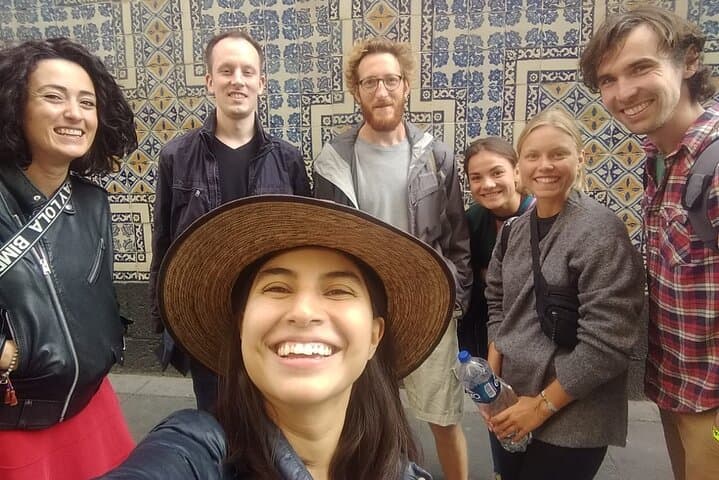
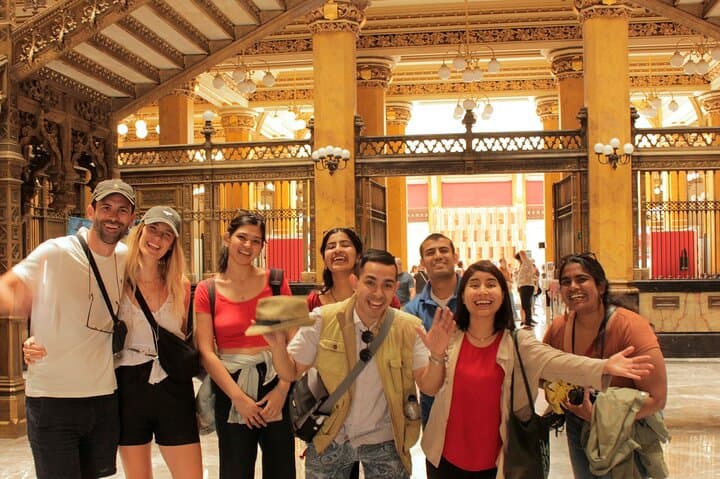
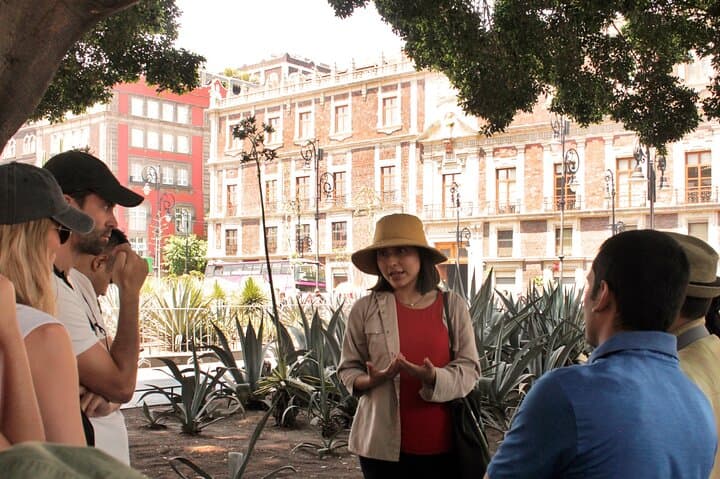
Guides begin at Templo Mayor, explaining how Tenochtitlan rose on lake islands and how Spanish city planning later stacked colonial churches and government palaces on top of indigenous foundations. The walk moves past the Cathedral—where baroque facades and seismic reinforcements tell a story of earthquakes and adaptation—then to Casa de los Azulejos and the Palacio de Bellas Artes to discuss 20th‑century muralists and Mexico’s artistic renaissance.
Culinary stops highlight century‑old Dulcería Celaya and neighborhood taquerías, giving context to dishes like tacos al pastor and pozole while pointing out where locals go for coffee and pan dulce. The route balances architecture, street life, and small tastings without breathing-heavy climbs—this is city exploration, tactile and immediate.
Practical guidance: wear sturdy walking shoes for uneven pavement, carry a refillable water bottle, and plan tours in the morning or late afternoon to avoid midday crowds and pollution peaks. Accessibility is good in major plazas; many stops are curb‑level. Bring small change for market purchases and a light layer for sudden showers during rainy season. The tour is short, dense, and oriented to travelers who want history and flavor in two hours.
easy.
2 hours.
Suitable for most fitness levels; involves steady walking on city streets and short standing explanations.
Meet in the Zócalo near the main flagpole or the designated meeting point listed in your confirmation; guides usually hold a sign.
Major plazas and several stops are wheelchair accessible, but some historic buildings have steps—notify the operator in advance for accommodations.
Guides point out local food spots and may include small tastings at places like Dulcería Celaya; larger meals are at your expense.
This is a free tour model—tips are customary and appreciated; 10–20% of a comparable paid tour or what you feel the guide earned is common.
Mexico City sits atop the ruins of Tenochtitlan; Spanish colonial planners reused Aztec foundations and repurposed materials, creating the layered city seen today.
Historic ruins and frescoes are sensitive to moisture and pollution—stay on marked paths, avoid touching murals, and support local businesses to help preserve cultural sites.
Andares Free Walking Tour operates guided outdoor trips and adventures with an emphasis on safety, stewardship, and memorable experiences.
You arrive into the heartbeat of Mexico City where stone and ritual meet street food smoke. The tour threads through the Plaza de la Constitución (Zócalo), where the ground still holds the grid of the Aztec capital and the National Palace’s murals watch over the square.
You arrive into the heartbeat of Mexico City where stone and ritual meet street food smoke. The tour threads through the Plaza de la Constitución (Zócalo), where the ground still holds the grid of the Aztec capital and the National Palace’s murals watch over the square.
Guides begin at Templo Mayor, explaining how Tenochtitlan rose on lake islands and how Spanish city planning later stacked colonial churches and government palaces on top of indigenous foundations. The walk moves past the Cathedral—where baroque facades and seismic reinforcements tell a story of earthquakes and adaptation—then to Casa de los Azulejos and the Palacio de Bellas Artes to discuss 20th‑century muralists and Mexico’s artistic renaissance.
Culinary stops highlight century‑old Dulcería Celaya and neighborhood taquerías, giving context to dishes like tacos al pastor and pozole while pointing out where locals go for coffee and pan dulce. The route balances architecture, street life, and small tastings without breathing-heavy climbs—this is city exploration, tactile and immediate.
Practical guidance: wear sturdy walking shoes for uneven pavement, carry a refillable water bottle, and plan tours in the morning or late afternoon to avoid midday crowds and pollution peaks. Accessibility is good in major plazas; many stops are curb‑level. Bring small change for market purchases and a light layer for sudden showers during rainy season. The tour is short, dense, and oriented to travelers who want history and flavor in two hours.